
Last updated October 15, 2026
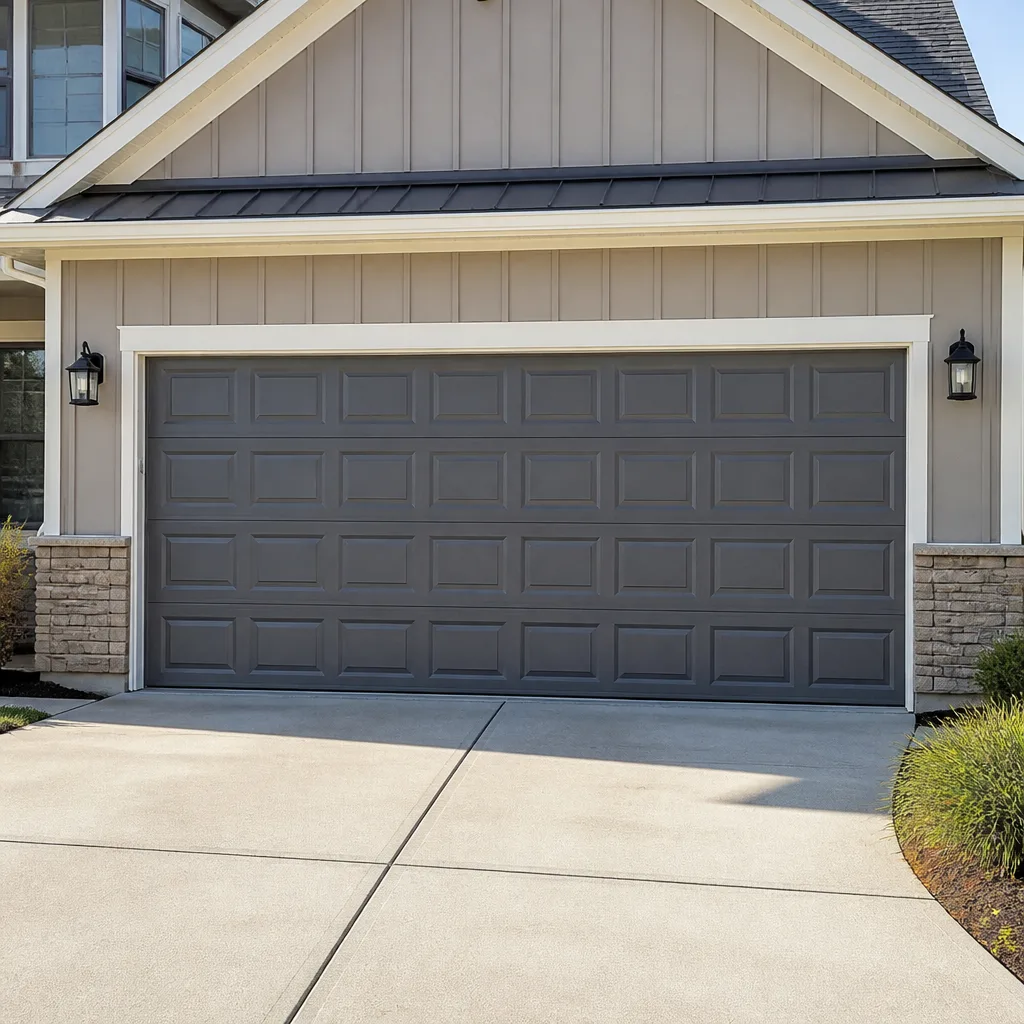 Raised-panel steel
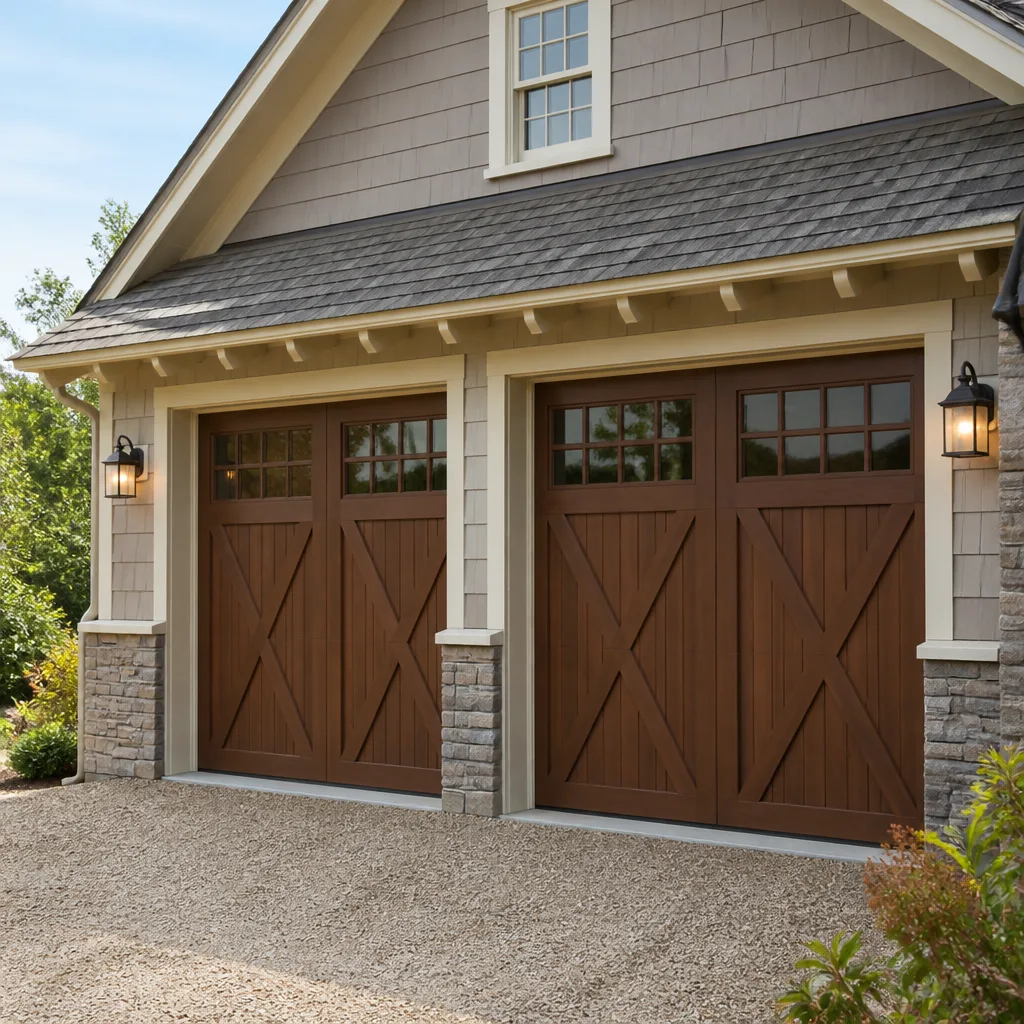 Carriage house
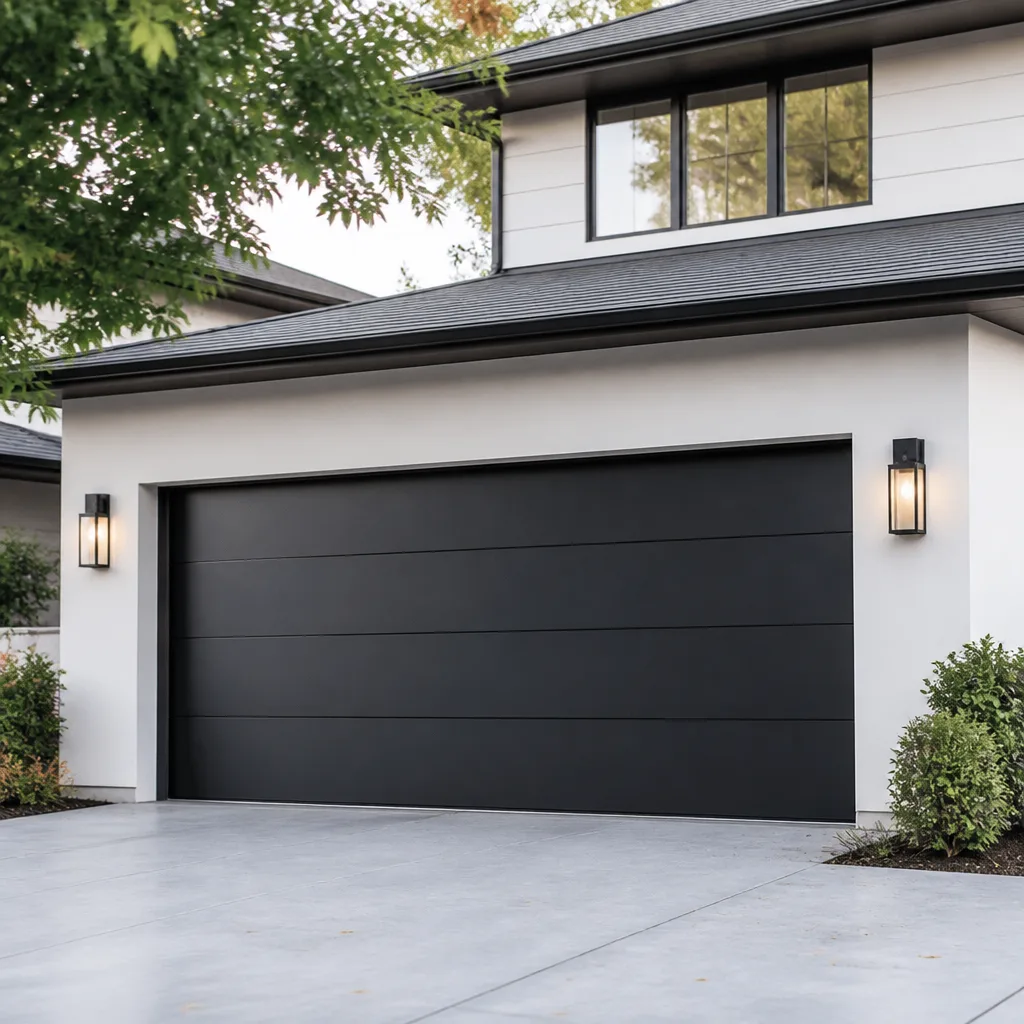 Modern flush
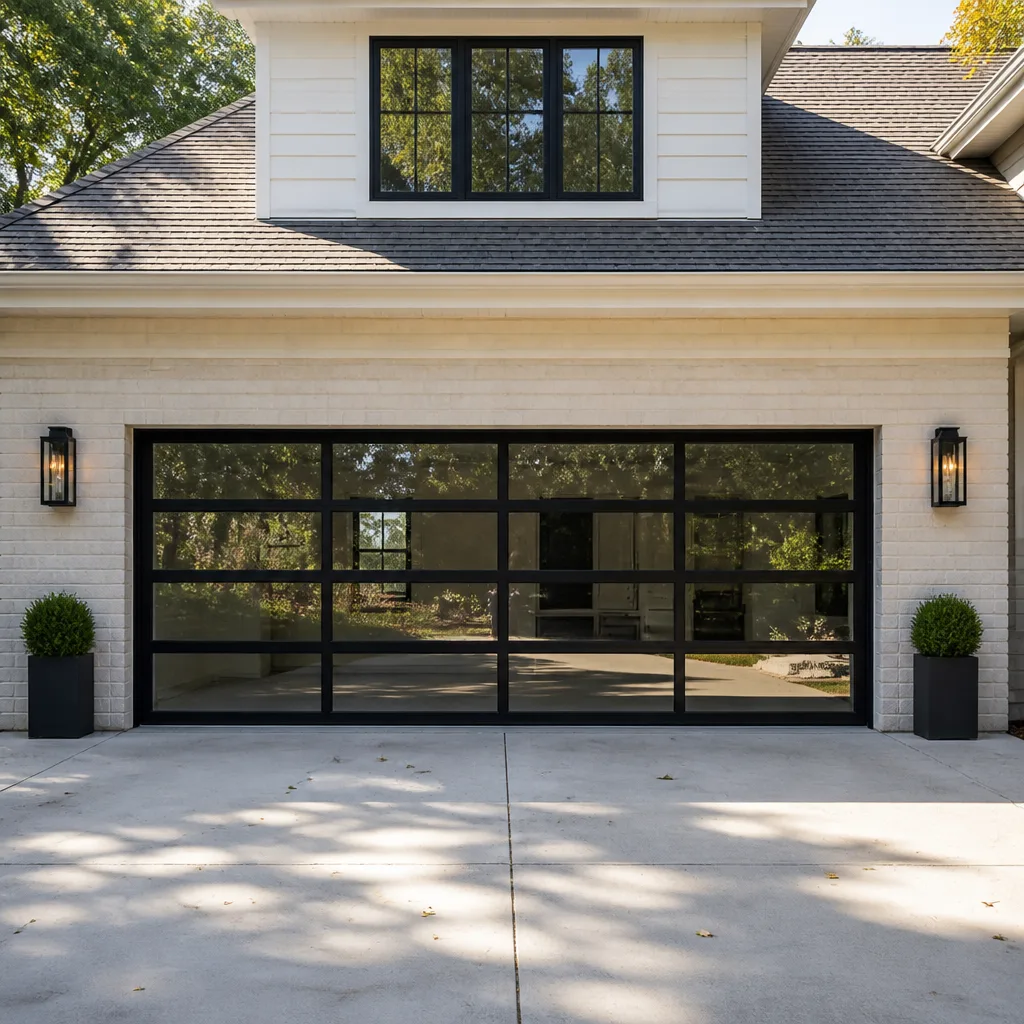 Full-view glass
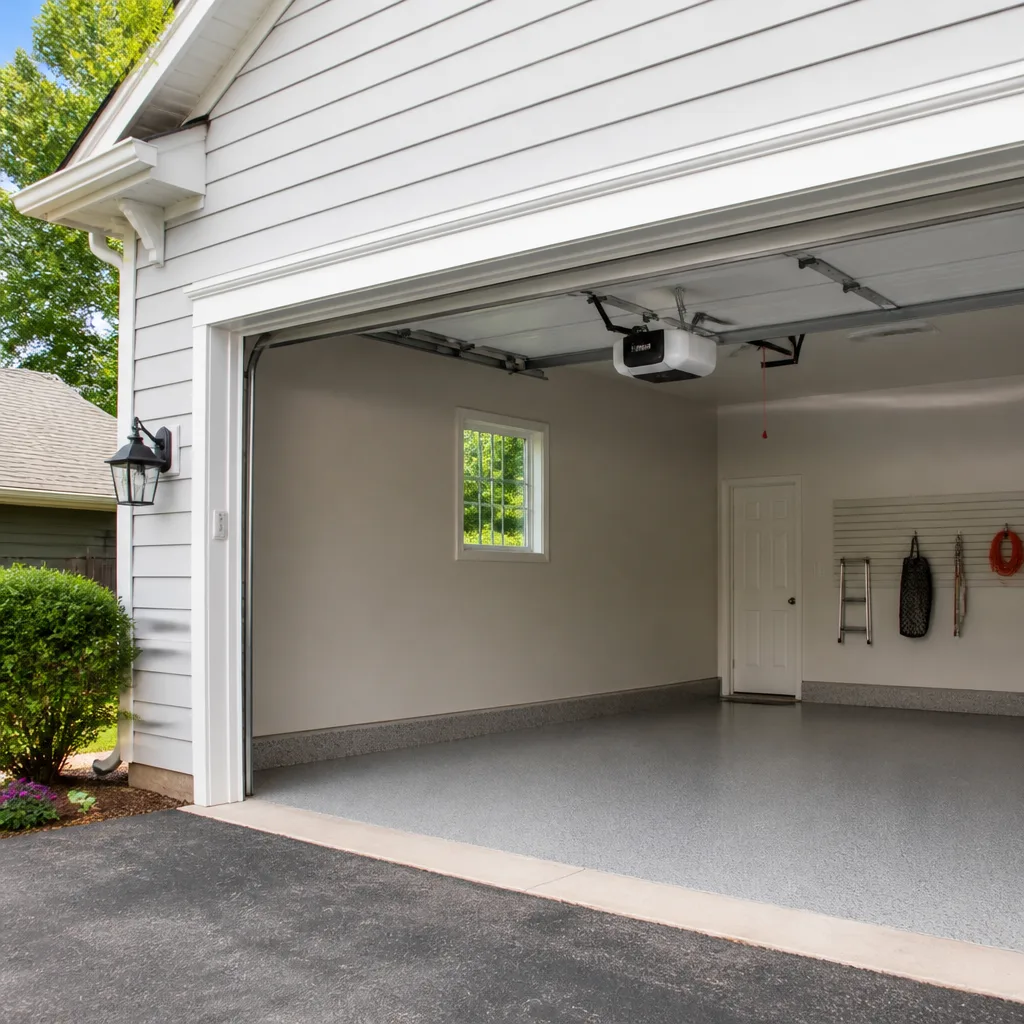 LiftMaster openers
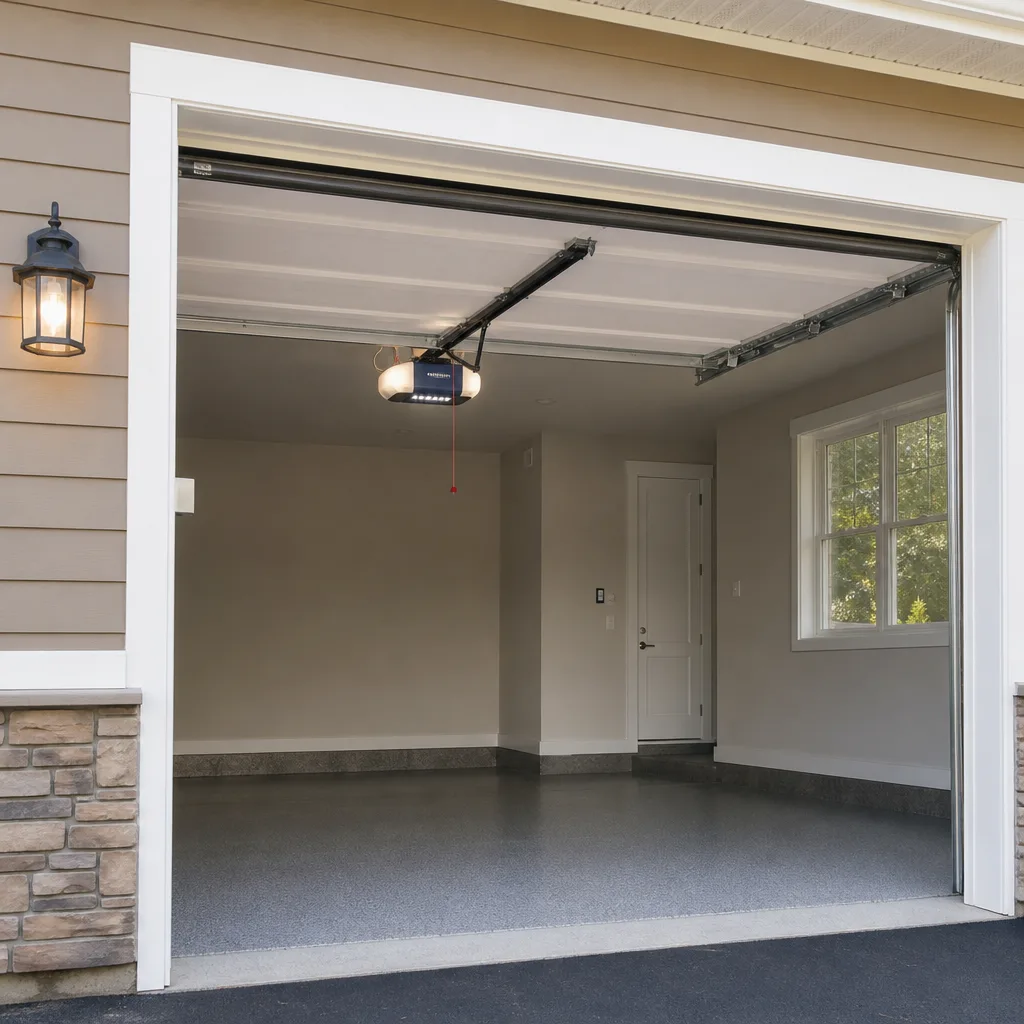 Chamberlain openers
Full 25-point door and opener safety check with every visit - springs, cables, rollers, tracks, and your LiftMaster or Chamberlain opener included
You get a price before we start. It does not change when the truck arrives.
Get your free estimateGarage Door Permits, Codes & Inspections in CA: What You Need to Know
Here’s a fact most Los Angeles homeowners don’t hear until it’s too late: a contractor who swaps your garage door without pulling a permit can leave you holding a problem that resurfaces at the worst possible moment. If your home goes on the market two years later, a buyer’s inspector can flag the unpermitted alteration and turn a routine sale into a stalled escrow. California’s web of Title 24 energy requirements, seismic bracing rules for openers, and local overlay zones in Los Angeles means “just swap the door” is rarely that simple. This guide walks you through what actually requires a permit, what inspectors look for, and how to avoid inheriting a compliance mess. For related reading, see our Garage Door Warning Signs: A Los Angeles Homeowner’s Reference Guide.
Quick Answer
A true like-for-like garage door replacement in California often does not require a building permit, but three things can change that: structural modifications (new openings, header work), opener installations that must meet UL 325 and California seismic bracing standards, and local rules in Los Angeles such as HOA requirements or Historic Preservation Overlay Zones. Before any work starts, confirm whether the job is a genuine like-for-like swap, check your door’s R-value against Title 24 if the garage is attached to living space, and verify that whoever pulls the permit, if one is required, is licensed to do so. Our How to Hire a Garage Door Contractor in Los Angeles: A Step-by-Step Guide can help with that last part.
Styles & brands we work with
Table of Contents
- When a Los Angeles Garage Door Permit Is Actually Required
- Title 24 Insulation Requirements for Garage Doors in California
- UL 325 and Seismic Bracing for Garage Door Openers
- HOA and Historic Preservation Overlay Zones in Los Angeles
- What Happens When Unpermitted Work Is Discovered During Escrow
- How to Retroactively Permit or Disclose Under California Law
- Common Mistakes to Avoid
- When to Call a Professional
- Frequently Asked Questions
When a Los Angeles Garage Door Permit Is Actually Required
The California Building Code draws a clear line between two kinds of garage door work: a true replacement and a modification. A true replacement means removing an existing door and installing a new one in the same rough opening, with the same structural header intact and no changes to the surrounding framing. In most jurisdictions, including Los Angeles, this is treated as a like-for-like swap and does not require a building permit. Many homeowners go years without knowing this distinction, and that’s exactly where trouble starts.
Where a permit becomes necessary in Los Angeles:
- Creating a new door opening. Cutting into a load-bearing wall or enlarging an existing opening requires a structural permit. The header above the opening, the steel beam that carries the weight of the wall and roof, must be sized by an engineer. We’ve seen cases where a contractor framed a new opening without a permit, and the undersized header sagged within a year.
- Replacing or modifying the header. If your existing header shows signs of sagging or cracking, or if the new door is heavier than the old one and the header needs reinforcement, a permit is required. This is structural work, not a door swap.
- Converting a carport to an enclosed garage. This is a full building permit project with plan review, not a garage door replacement. The door itself is only one piece.
- Installing a motorized opener where none existed before. Some Los Angeles jurisdictions treat a first-time opener installation as an electrical modification requiring a permit. The 120-volt circuit and the opener’s safety sensors both fall under code review.
Here’s the nuance most guides miss: the permit requirement is not triggered by the door itself. It’s triggered by the structure around the door and the electrical system that powers it. A homeowner who understands this can ask a contractor the right question before signing anything: “Is this a true like-for-like replacement, or are we changing the structure?” If the answer is anything other than a clear “like-for-like,” get the permit conversation started early. For context on what a full replacement involves, see our guide to Garage Door Installation in Los Angeles.
In practice, most door-for-door swaps in Los Angeles do not require a permit. What they do require is a competent installer who knows the difference between a functional replacement and a structural modification. That distinction is what separates a job that closes escrow without issue from one that becomes a title company’s problem.
Title 24 Insulation Requirements for Garage Doors in California
California’s Title 24 Building Energy Efficiency Standards become relevant the moment a garage is attached to living space or contains conditioned air. If your garage shares a wall with your kitchen, or if you run a duct into the garage for a bonus room conversion, the garage door is treated as part of the building envelope. That means the door must meet a minimum R-value for insulation, and the specific number depends on your climate zone in Los Angeles County.
R-value measures thermal resistance. A higher number means better insulation. Here’s how it applies:
- Detached garages. If the garage is a standalone structure not connected to the house, Title 24 does not impose an insulation requirement on the door. The door you choose is a matter of preference, not compliance.
- Attached but unconditioned garages. Most Los Angeles garages fall into this category. The garage is attached to the house but is not heated or cooled. Under current Title 24 standards, the door itself is not required to meet a specific R-value. However, the wall between the garage and the house must be insulated, and the door’s weatherstripping must seal properly to prevent air leakage.
- Conditioned garages. If you’ve converted part of the garage into a home office, gym, or bedroom and you run HVAC into that space, the garage enters the conditioned envelope. The door now counts as an exterior wall. Los Angeles is in Climate Zone 6 or 9 depending on proximity to the coast. A conditioned garage in Zone 6 typically requires a minimum R-value of 6 for the door, while Zone 9 may require R-4. Check with the Los Angeles Department of Building and Safety (LADBS) for your specific address.
Here’s what this means at the product level. A basic non-insulated steel door, the kind you see on older tract homes, has an R-value around 0 to 2. An insulated door from Clopay or Amarr with a polyurethane core typically runs R-9 to R-18, which meets or exceeds any Title 24 requirement for a conditioned garage. Wayne Dalton also produces insulated doors that satisfy code in most Los Angeles climate zones. If an inspector asks about your door’s insulation, you want a manufacturer’s spec sheet showing the tested R-value, not a contractor’s word.
The practical takeaway: for most Los Angeles homeowners with a standard attached garage that is not heated or cooled, Title 24 does not force you to buy an insulated door. But if you’ve conditioned the space, or plan to, the door becomes a compliance item. And even if code doesn’t require insulation, a door with R-9 or higher makes the garage noticeably cooler in an LA summer and reduces heat transfer into the house. That’s a functional benefit that also protects resale value.
UL 325 and Seismic Bracing for Garage Door Openers
Every automatic garage door opener sold in the United States must comply with UL 325, the safety standard that governs entrapment protection. In California, there’s an additional layer: a seismic bracing addendum that reflects the state’s earthquake risk profile. Los Angeles inspectors are familiar with both, and a smart homeowner should be too.
UL 325 covers two things that matter most to inspectors:
- Entrapment protection. Every opener must have a reversing mechanism that stops and reverses the door if it hits an obstruction. Modern openers achieve this with infrared photo eyes mounted six inches above the floor on each side of the door opening, plus a force-sensing system that reverses the motor if resistance is detected. If either system is bypassed, the opener does not meet code.
- Manual release capability. In a power outage or emergency, the opener must allow someone to disengage the motor and operate the door by hand. The red pull cord hanging from the trolley is not a convenience feature. It’s a code-mandated safety release.
California’s seismic bracing addendum adds a requirement many homeowners never hear about: the opener must be securely braced to the ceiling structure so it cannot shift or fall during an earthquake. In Los Angeles, where seismic activity is a fact of life, inspectors check that the opener’s support brackets are lagged into the ceiling joists or a solid blocking, not drywall anchors. A properly braced opener won’t break free during a moderate quake, which protects both people and vehicles in the garage.
What to ask when buying or replacing an opener in Los Angeles:
- Does the model carry a UL 325 listing? Every major brand does, including LiftMaster, Chamberlain, and Genie, but confirm it’s printed on the unit or in the manual.
- Is the seismic bracing kit included or sold separately? Some openers ship with standard mounting hardware that does not meet California’s bracing requirements. The installer must add the upgraded hardware.
- Will the installer lag the unit into the joist structure, not the drywall? This is a non-negotiable code requirement. We’ve corrected installations in Los Angeles where an opener was hanging from drywall anchors, a genuine hazard in an earthquake.
Inspectors in Los Angeles look for three things on an opener installation: photo eyes at the correct height, a functioning auto-reverse mechanism, and solid structural bracing. If someone tells you the bracing doesn’t matter, find someone else.
HOA and Historic Preservation Overlay Zones in Los Angeles
City permits are only one layer of approval in Los Angeles. Two other entities can override or complicate what LADBS allows: your homeowners association, if you have one, and the city’s Historic Preservation Overlay Zones, known as HPOZs. Both have the power to stop a garage door project that the building department would otherwise approve.
HOA architectural review. If your home is in a planned development with an HOA, the architectural guidelines almost certainly cover garage doors. Many HOAs in Los Angeles neighborhoods like Porter Ranch, Playa Vista, or Westchester mandate specific door styles, colors, and materials. You may be required to submit a design application before installing a new door. An HOA can levy fines or require you to reverse an unapproved change, even if the door itself is code-compliant. Before you buy a door, read the CC&Rs and the architectural guidelines. The approval process can take 30 to 60 days. Budget for that lead time.
Historic Preservation Overlay Zones. Los Angeles has more than 35 HPOZs, including neighborhoods like Angelino Heights, Carthay Square, and portions of South Los Angeles. In an HPOZ, any exterior alteration that is visible from the street requires review by the HPOZ board. A garage door counts. The board may require a specific material (wood instead of steel, for example), a particular panel pattern, or a color that matches the historic character of the home. Not every HPOZ in Los Angeles restricts garage doors equally, but the process still adds time and paperwork. Check the city’s Office of Historic Resources to see if your address falls inside an HPOZ boundary.
The sequence that protects you: check your HPOZ status, check your HOA rules, then check with LADBS. That order saves time and money. A permit from the city does not override an HOA restriction, and HOA approval does not replace a city permit when one is required. Both approvals run in parallel.
If you’re uncertain whether your garage door project will survive the neighborhood review, see how the process fits into the broader scope of Garage Door Repair in Los Angeles work, where we regularly coordinate with HOA requirements on behalf of homeowners.
What Happens When Unpermitted Work Is Discovered During Escrow
Unpermitted garage door work surfaces during escrow more often than any other single home improvement issue. The scenario is predictable: the seller replaced the garage door years ago without a permit, never thought about it again, and now the buyer’s inspector has flagged the modification in the inspection report. At that point, the transaction enters a gray zone that neither party anticipated.
In California, sellers must disclose all known material facts about the property. Unpermitted work is a material fact. If the seller knows the garage door was replaced without a permit and does not disclose it, they risk legal exposure for nondisclosure. If the seller honestly did not know the work required a permit, the disclosure form’s standard language about unpermitted improvements becomes the safety valve.
What typically happens next:
- The buyer’s inspector flags the work. The inspection report notes that the garage door or opener appears newer than the rest of the home, and no permit is on file with LADBS.
- The buyer’s lender reviews the findings. Some lenders will not fund a loan if significant unpermitted work affects safety or structural integrity. A garage door replacement is usually not a deal-killer on its own, but an unpermitted structural change to the opening is different.
- The buyer requests a repair credit or a retroactive permit. Most buyers ask the seller to either obtain a retroactive permit through LADBS or provide a credit so the buyer can do it after close of escrow.
- If the work cannot be permitted retroactively. Some modifications cannot be brought into compliance without demolition, which is rare for garage doors but possible for structural changes. In that case, the buyer may walk away.
The most important point: a garage door replacement done without a permit is usually fixable. A structural modification done without a permit is not always fixable, and when it is, the cost runs into thousands. The distinction circles back to the core question: was this a like-for-like swap or a structural change? If you’re not sure, the paperwork should exist. No paperwork is the first sign of trouble.
The deeper lesson from Los Angeles real estate is simple. The cost of a permit, when one is required, is trivial compared to the cost of an escrow delay, a buyer credit, or a deal that collapses. For homeowners who want advice before a sale, our team covers the repair side of the equation in detail on the Garage Door Repair in Los Angeles page.
How to Retroactively Permit or Disclose Under California Law
If you discover that your garage door was replaced without a required permit, you have two paths: retroactively permit the work or disclose it and move on. The right choice depends on what was done and when.
Step 1: Determine whether a permit was actually required. As covered above, a true like-for-like door replacement does not need a permit in Los Angeles. If that’s what you have, there is nothing to retroactively permit. Document the scope: same rough opening, same header, no electrical changes. A written statement from a licensed contractor who examines the work can support your position.
Step 2: If a permit was required, contact LADBS. Los Angeles allows homeowners to apply for a retroactive permit. The process involves an inspection of the completed work. If the inspector finds that the work meets current code, LADBS can issue the permit after the fact. Inspectors are not in the business of punishing homeowners. They want to close the file. Be prepared to expose what the inspector needs to see: header construction, door operation, opener safety features, and bracing. This may require opening a small access hole in the wall to show the header.
Step 3: If the work does not meet code. The inspector will issue a correction notice. You then fix the deficient items and call for a re-inspection. This is where retroactive permitting gets expensive: a braced opener, a properly sized header, or new photo eyes all cost money. But the alternative, selling a home with known noncompliant work and hoping no one notices, is a legal risk no informed homeowner should take.
Step 4: Disclose what you know. Whether or not you retroactively permit the work, always disclose any known unpermitted modification on the seller’s disclosure documents. California’s disclosure requirement is broad, and the standard Transfer Disclosure Statement asks directly about unpermitted work. Answer truthfully. A written disclosure transfers the risk appropriately and protects you from a post-sale lawsuit.
The sequence matters: determine scope, apply retroactively if needed, correct deficiencies, disclose everything. In our experience, Los Angeles homeowners who follow this sequence close escrow without drama. Those who skip it either pay for it at the negotiating table or after the sale.
Common Mistakes to Avoid
- Assuming every garage door replacement needs a permit. Most like-for-like swaps in Los Angeles don’t. Paying for an unnecessary permit wastes time and money. The question is scope, not the fact that a door was changed.
- Assuming no garage door replacement ever needs a permit. The opposite error is worse. Structural changes, new openings, and some opener installations do require permits. Guessing wrong leaves you with an unpermitted modification.
- Ignoring HOA rules because the city approved the work. LADBS approval and HOA approval are separate. A city permit does not stop an HOA from fining you or requiring you to change the door.
- Choosing an uninsulated door for a conditioned garage. If the garage is heated or cooled, the door must meet Title 24 R-value minimums for Los Angeles climate zones. A cheap non-insulated door fails code and makes the space uncomfortable.
- Skipping the seismic bracing on a new opener. Some installers use the standard mounting kit and call it done. In Los Angeles, that’s a code violation and a genuine hazard. Confirm the bracing hardware is California-compliant.
- Not keeping paperwork for the door and opener. When escrow asks whether the work was permitted, your answer depends on documentation. Keep the receipt, the permit if one was issued, and the installer’s license information.
- Hiring an unlicensed crew because the price was lower. If unpermitted work becomes a problem, a licensed contractor is accountable through the California Contractors State License Board. An unlicensed crew is not.
When to Call a Professional
Any time the scope of your garage door project moves beyond a simple like-for-like replacement, you need someone who can tell you, in writing, what code requires. That means structural changes to a header, a new door opening, an opener installation that needs seismic bracing, or any work in a home that falls under an HPOZ or a strict HOA. A licensed professional who does this work daily in Los Angeles knows the LADBS process, the Title 24 thresholds, and the inspection sequence. They also know what triggers a correction notice and what passes the first time. Bramwell Garage Doors Los Angeles home offers free estimates in Los Angeles. Call (213) 996-0290 and we’ll walk through exactly what your project needs before any work starts. For spring and opener work specifically, our team covers the details on the Garage Door Spring Repair in Los Angeles page, including the safety systems inspectors check.
Frequently Asked Questions
A true like-for-like replacement, where the new door fits the existing rough opening and the header is untouched, generally does not require a building permit in Los Angeles. A permit becomes necessary if you modify the structure, enlarge the opening, or install an opener where none existed before, depending on the jurisdiction.
Title 24 is California’s energy efficiency code. It only affects garage doors when the garage is conditioned, meaning heated or cooled as part of the living space. In that case, the door must meet a minimum R-value based on your Los Angeles climate zone, typically R-4 to R-6 depending on location.
If your home is governed by an HOA, the architectural guidelines likely require approval before you change the exterior appearance of the garage door, and many HOAs in Los Angeles neighborhoods mandate specific styles, colors, or materials. HOA approval is separate from any city permit and must be obtained independently.
An HPOZ, or Historic Preservation Overlay Zone, is a designated Los Angeles neighborhood where exterior changes require review to preserve historic character. Garage doors visible from the street fall under this review, and the board may require specific materials, patterns, or colors that differ from what you’d choose otherwise.
Unpermitted work can delay a sale or lead to a buyer credit request, but most garage door replacements are disclosed and resolved without killing the deal. The more serious risk is an unpermitted structural change, which can trigger lender concerns and, in rare cases, cause a buyer to walk away.
You apply through LADBS for a retroactive permit, which involves an inspection of the completed work. If the work meets current code, the permit is issued after the fact. If not, the inspector issues a correction notice, and you fix the deficiencies and schedule a re-inspection.
The Bottom Line
Garage door permits in Los Angeles come down to one question: did the work change the structure or the electrical system, or is it a true like-for-like swap? Most replacements fall into the second category and need no permit. But when a permit is required, ignoring it creates a liability that surfaces at the worst time, usually during escrow. Add in Title 24 insulation rules for conditioned garages, seismic bracing for openers, and HOA or HPOZ review requirements, and the smart homeowner’s checklist is short: know your scope, check your local overlays, keep your paperwork, and disclose everything. If you’re unsure where your project falls, ask a professional who works in Los Angeles every day or browse our more guides & resources. The question takes five minutes to answer, and the answer can save you thousands later.
Written by Marcus Ellery, Owner at Bramwell Garage Doors Los Angeles, serving Los Angeles since 2001.
See the difference
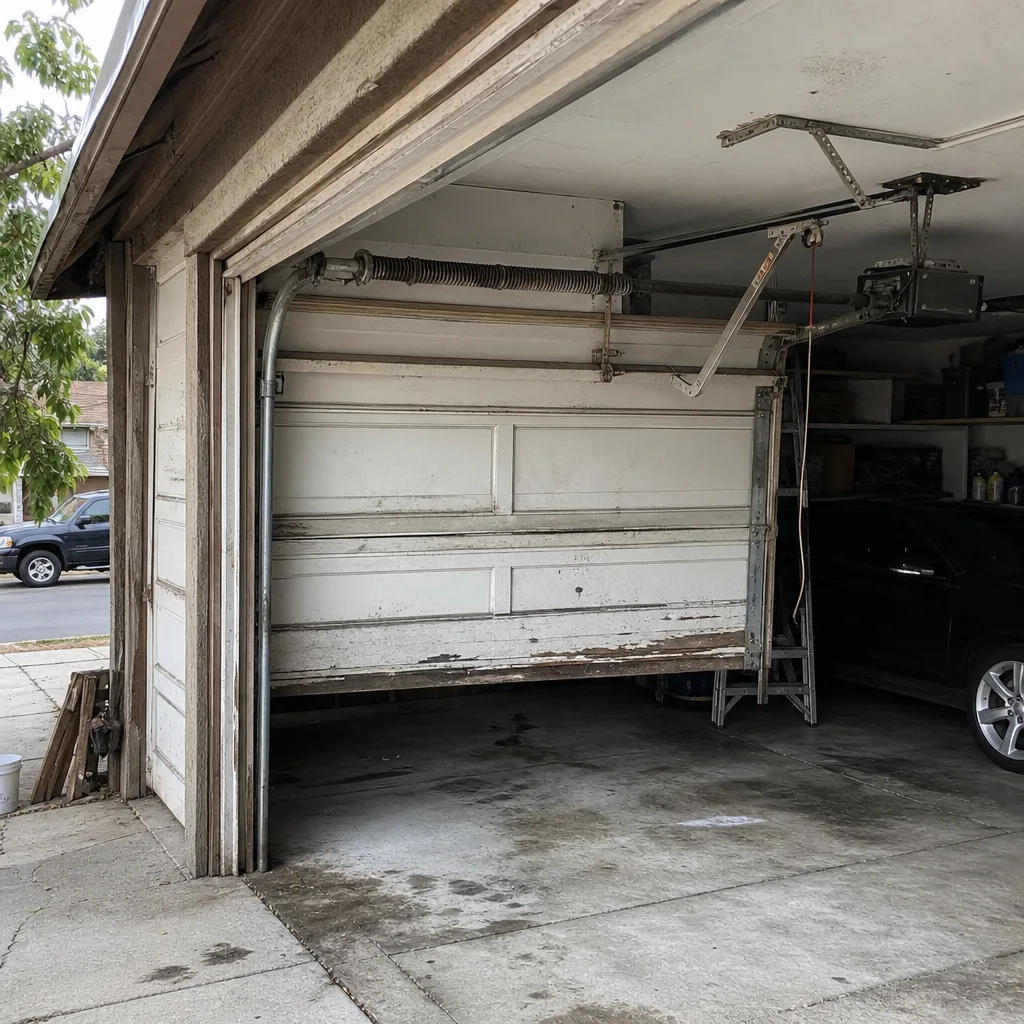 Before
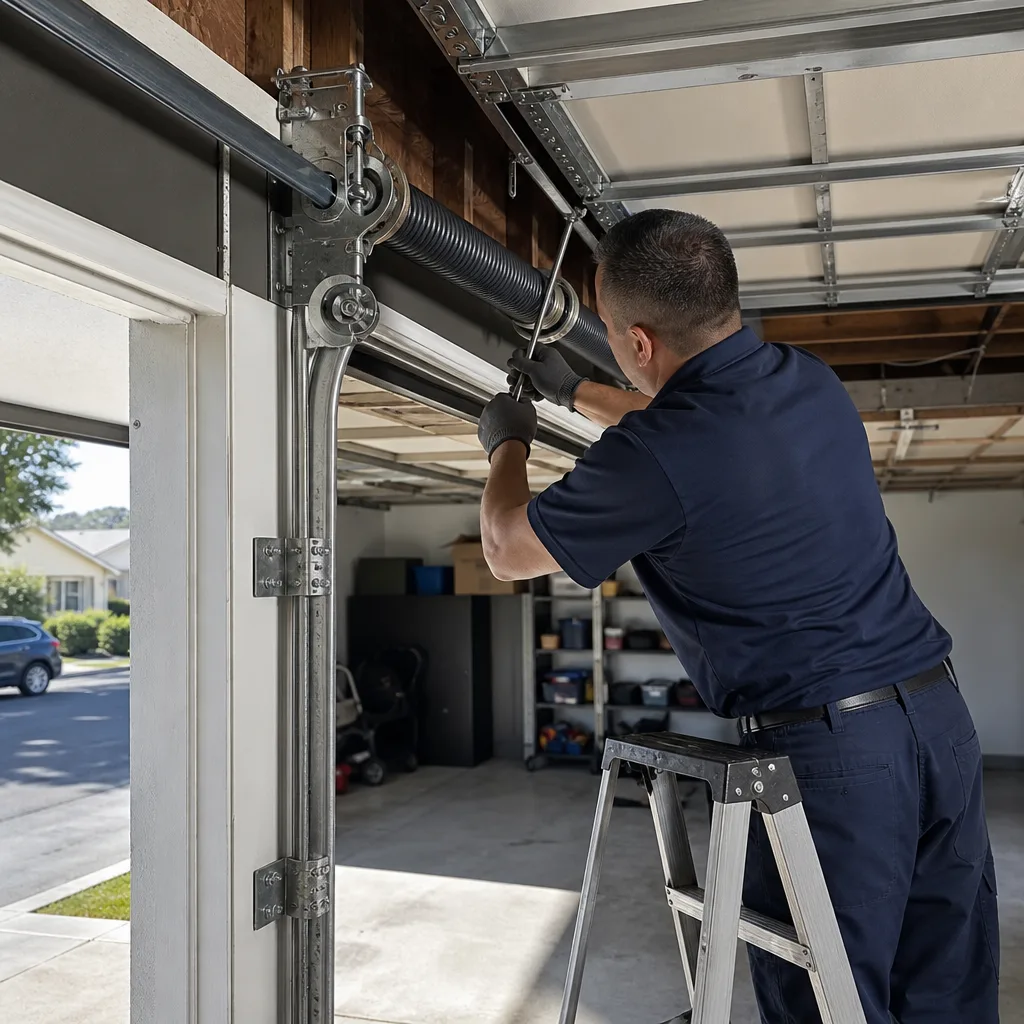 After
After Before
 After
After Before
 After
After