
Last updated October 15, 2026
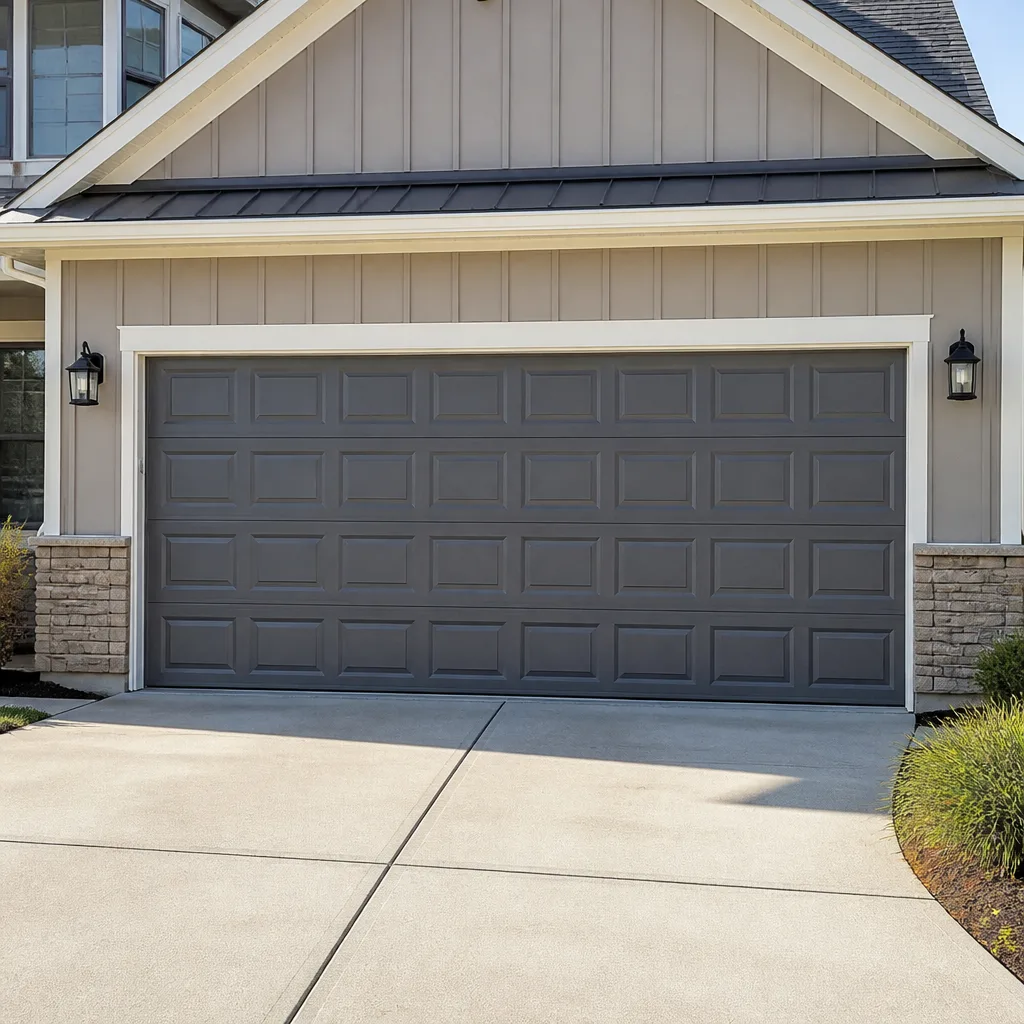 Raised-panel steel
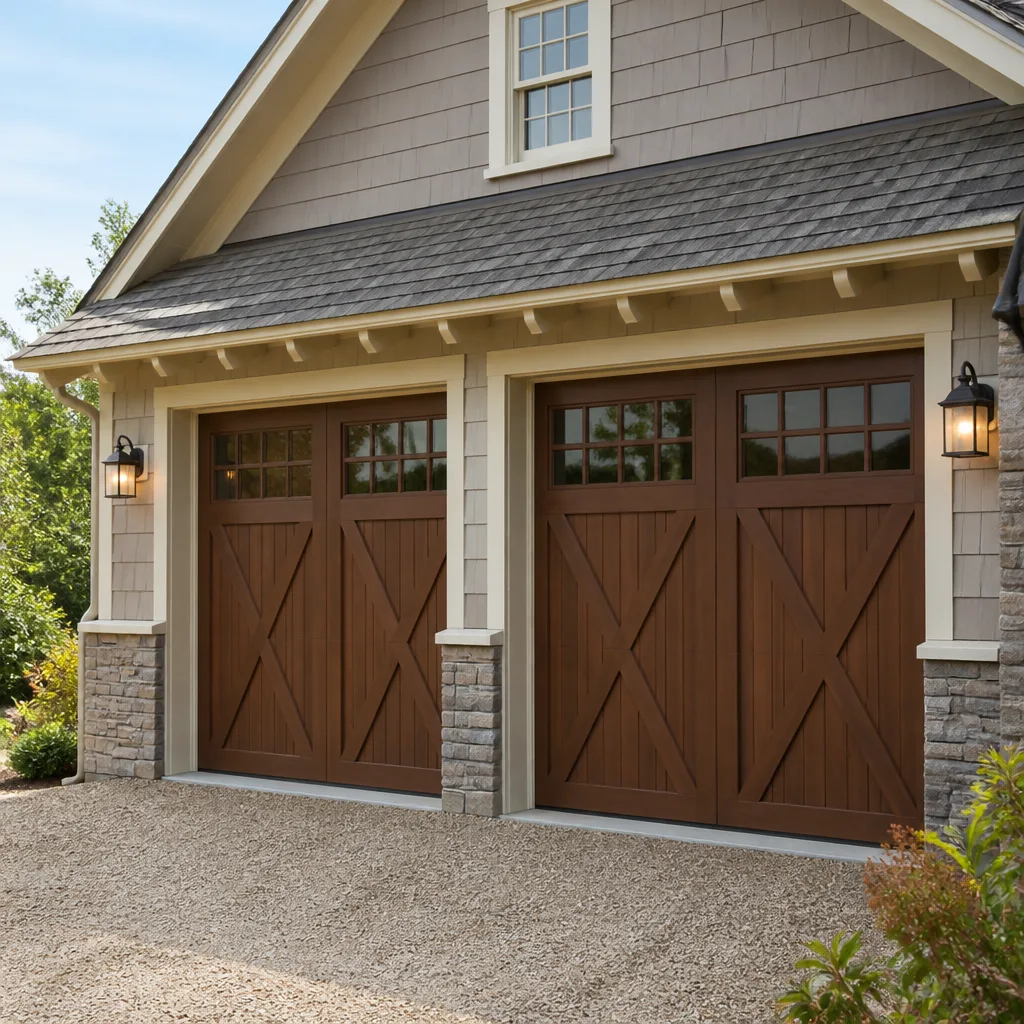 Carriage house
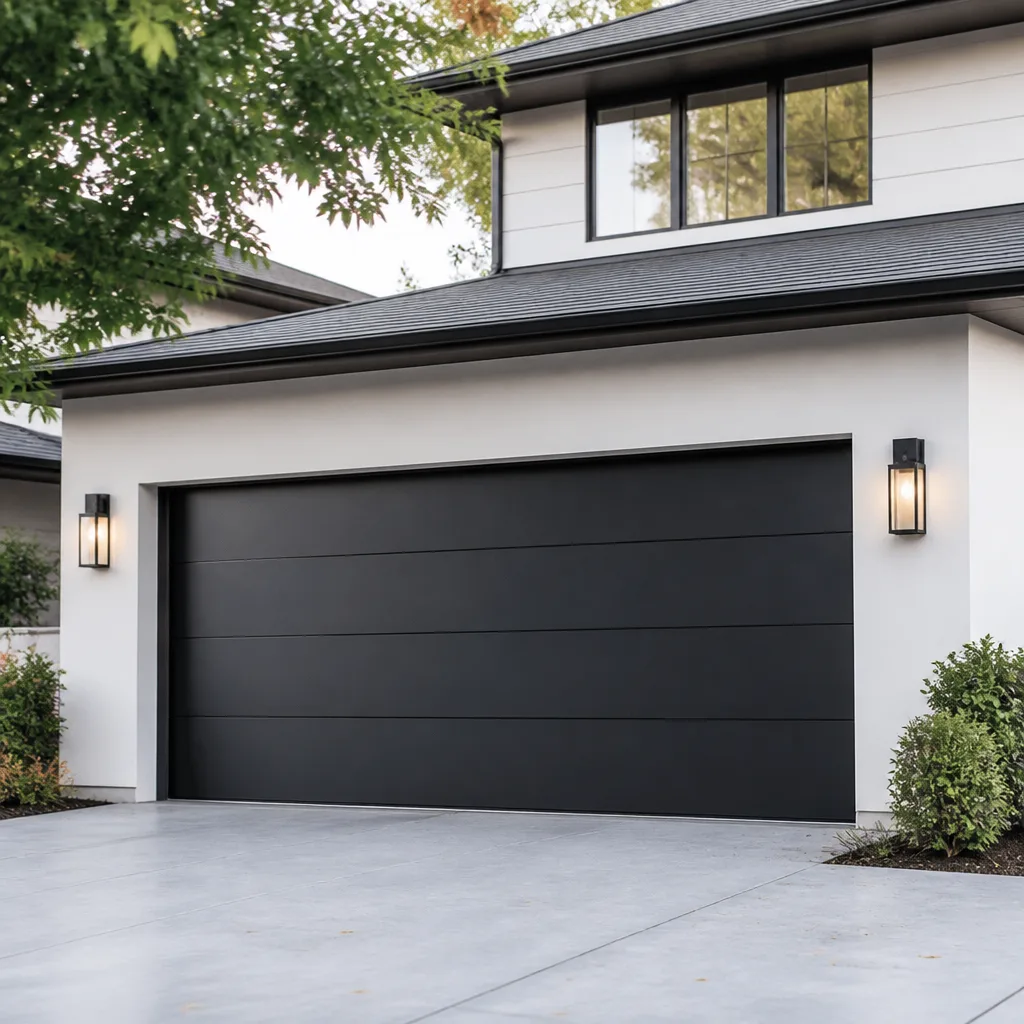 Modern flush
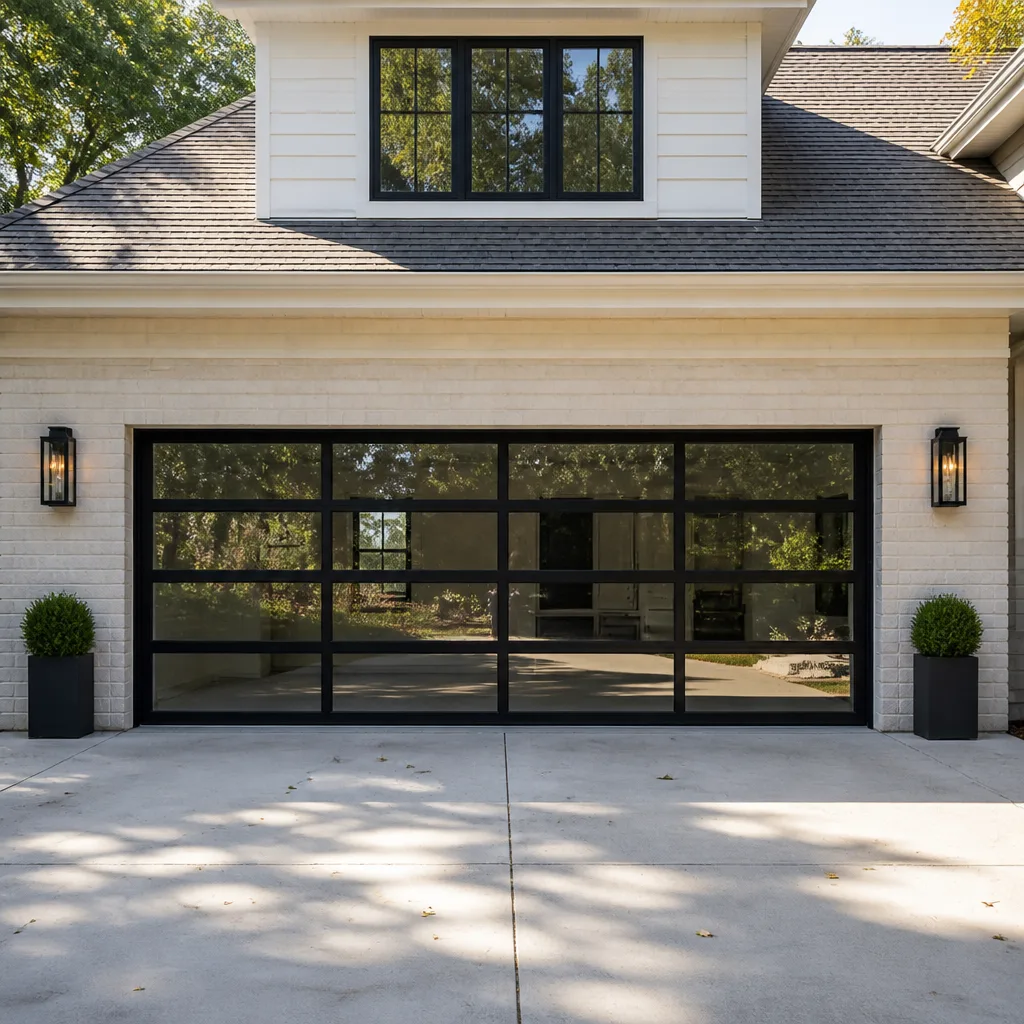 Full-view glass
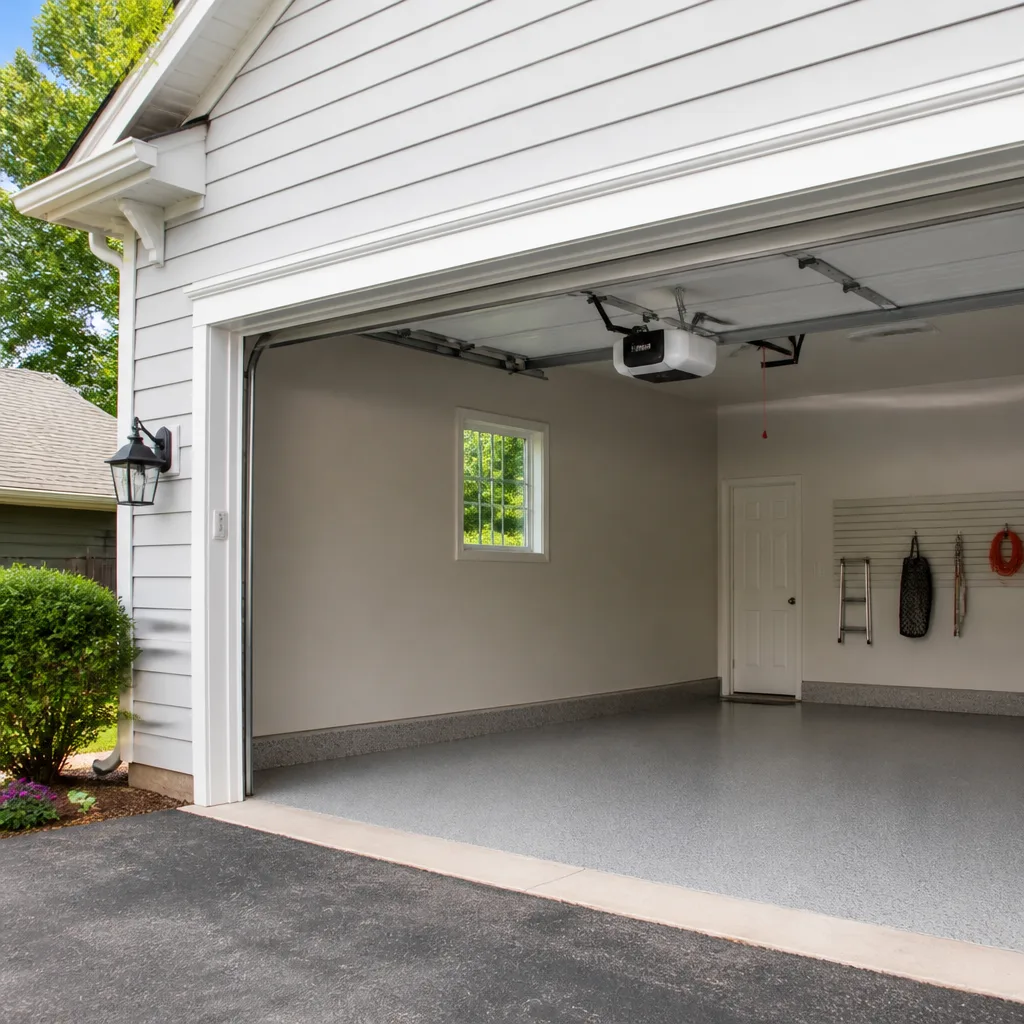 LiftMaster openers
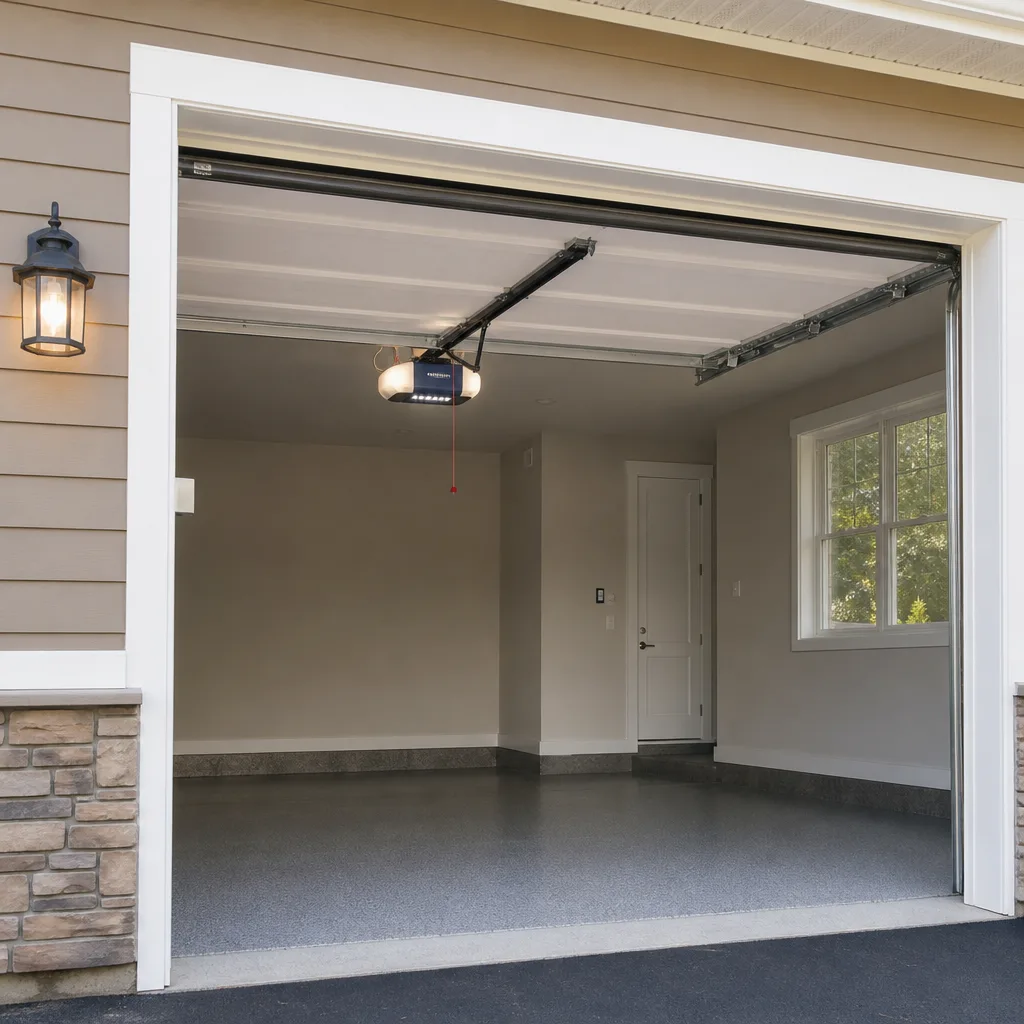 Chamberlain openers
Full 25-point door and opener safety check with every visit - springs, cables, rollers, tracks, and your LiftMaster or Chamberlain opener included
You get a price before we start. It does not change when the truck arrives.
Get your free estimateDIY vs Professional Garage Door: The Los Angeles Homeowner’s Decision Guide
Replacing a garage door bottom seal is a genuine 20-minute DIY job for most homeowners. Adjusting a torsion spring is a task that sends hundreds of people to emergency rooms every year, and the two jobs are often discussed in the same “DIY-friendly” breath. This guide cuts through that confusion. We’ll walk through exactly which garage door tasks you can safely handle yourself in Los Angeles, which ones demand a trained technician, what a mistake really costs, and how to decide in under a minute whether to grab a wrench or pick up the phone. For more help, see our Garage Door Repair Maintenance Checklist for Los Angeles Homeowners.
Styles & brands we work with
Quick Answer
In Los Angeles, DIY garage door work is genuinely safe for about four tasks: replacing the bottom seal, lubricating moving parts, aligning safety sensors, and reprogramming remotes. Everything involving torsion springs, lift cables, or track realignment under tension should go to a professional, because a failed DIY attempt on those components commonly causes injuries, door panel damage, and opener failure. When in doubt, the safest call is a free estimate from a Los Angeles garage door technician who gives you a written price before any work starts.
Table of Contents
- The Real Divide: Skill vs. Physical Risk
- What’s Truly DIY-Safe (And What Isn’t)
- The Torsion Spring Problem: Why This One Part Changes Everything
- How to Evaluate a YouTube Tutorial Before Touching Anything
- The Real Cost of a DIY Mistake in Los Angeles
- California Liability: Insurance, Disclosures, and Unpermitted Work
- The Three-Question Decision Flowchart
- What You’ll Spend on DIY vs. a Pro in LA
- Common Mistakes to Avoid
- When to Call a Professional
- Frequently Asked Questions
- The Bottom Line
The Real Divide: Skill vs. Physical Risk
Most garage door advice online treats every repair as a question of skill. Can you follow instructions? Can you handle basic tools? That framing is wrong. The actual divide is physical risk. A task that requires zero skill but involves a wound spring under 200 pounds of torque is dangerous no matter how carefully you work. A task that requires some mechanical knowledge but no stored energy is safe for nearly anyone who reads the instructions twice.
In Los Angeles, our technicians see a pattern. Homeowners in neighborhoods like Sherman Oaks, Silver Lake, and Torrance call us after a DIY attempt goes wrong, but it’s rarely because they lacked mechanical ability. It’s because nobody told them that the part they were about to touch was holding enough force to break bone. We’ve replaced door panels in Westwood where a homeowner released a torsion spring without the right winding bars. We’ve repaired openers in Pasadena where someone tried to force a door open after a spring snapped mid-cycle and sheared the carriage. The theme is consistent: the work wasn’t beyond their ability. The risk assessment was.
What separates the tasks in this guide is one question: is there stored mechanical energy involved? If yes, that’s a professional job. If no, it’s likely a reasonable DIY project. That’s the framework that matters more than any list of tool requirements.
This matters because a garage door is the heaviest moving object in most LA homes. A standard 16-foot steel door weighs between 150 and 250 pounds depending on insulation and panel material. The torsion spring, the heavy coil mounted above the door that handles most of the lifting weight, does the actual work of moving that weight. When that spring is intact and wound, the door feels light. When it fails or is unwound improperly, the full weight comes down with nothing to stop it. Skill doesn’t change that physics.
What’s Truly DIY-Safe (And What Isn’t)
Let’s be specific. Here’s the task-by-task breakdown we give Los Angeles homeowners who call us asking whether they should attempt a repair themselves. The first column is DIY-safe. The second requires a trained technician, every time, no exceptions.
Genuinely DIY-Safe Tasks
- Replacing the bottom seal (weatherstrip): This is a simple job. Slide out the old rubber strip, slide in the new one. It takes about 20 minutes and requires no tools beyond a pair of scissors or a utility knife. In Los Angeles, the bottom seal degrades from sun exposure and smog, so most of us end up replacing it every 2 to 4 years. A replacement seal runs $25 to $60 at any hardware store in the LA area.
- Lubricating hinges, rollers, and the track: This is maintenance, not repair. Use a white lithium grease or silicone spray, not WD-40. Spray the hinge pivots, the roller bearings, and the torsion spring coil. Do it twice a year. The dry, dusty conditions in places like the San Fernando Valley mean moving parts pick up grit faster than they do in coastal areas.
- Aligning safety sensors: The photo eye sensors near the bottom of the door tracks can drift out of alignment from vibration or accidental bumps. If the door reverses when closing and the sensor lights are blinking, realigning them is a two-person job: loosen the wing nut, aim both sensors until the indicator lights go steady, tighten. No stored energy involved.
- Reprogramming remotes and keypads: If your LiftMaster or Genie opener won’t respond to the remote, and the opener itself runs fine from the wall button, reprogramming is straightforward. The manufacturer’s manual or a quick online search walks you through the process in under ten minutes.
Never DIY: Professional-Only Tasks
- Torsion spring replacement or adjustment: This is the big one. A torsion spring holds between 150 and 250 pounds of torque depending on the door weight. Releasing that tension without proper winding bars and a spring-specific technique is how people lose fingers, fracture wrists, and worse. More on this below.
- Lift cable replacement: The cables run under the same tension as the springs. When a cable snaps or frays, the spring is still wound. Replacing it means releasing and re-winding the spring tension, which puts you right back in the danger zone.
- Track realignment under spring tension: If the door is off track but the springs are still wound, that’s when track work becomes dangerous. The door is being pulled by the springs while it’s jammed. Unbolting the track without first containing the spring tension can release the door or the track suddenly.
- Opener replacement involving electrical wiring: If the opener is hard-wired rather than plugged in, or if you’re replacing a unit and the wiring has deteriorated, this is a job for a licensed electrician or a garage door technician. Los Angeles homes built in the 1960s and 70s, common in neighborhoods like Mar Vista and Culver City, often have opener outlets that were never properly grounded or are no longer up to code.
We want to be clear: we’re not saying a homeowner can’t learn to replace a torsion spring. We’re saying the risk of learning on your own door, without the right tools and without someone experienced watching, is not worth the $180 to $340 a professional replacement typically costs in Los Angeles. That’s the entire conversation.
The Torsion Spring Problem: Why This One Part Changes Everything
We’ve said the torsion spring is dangerous. Let’s explain exactly why, because understanding the mechanism is what keeps people safe.
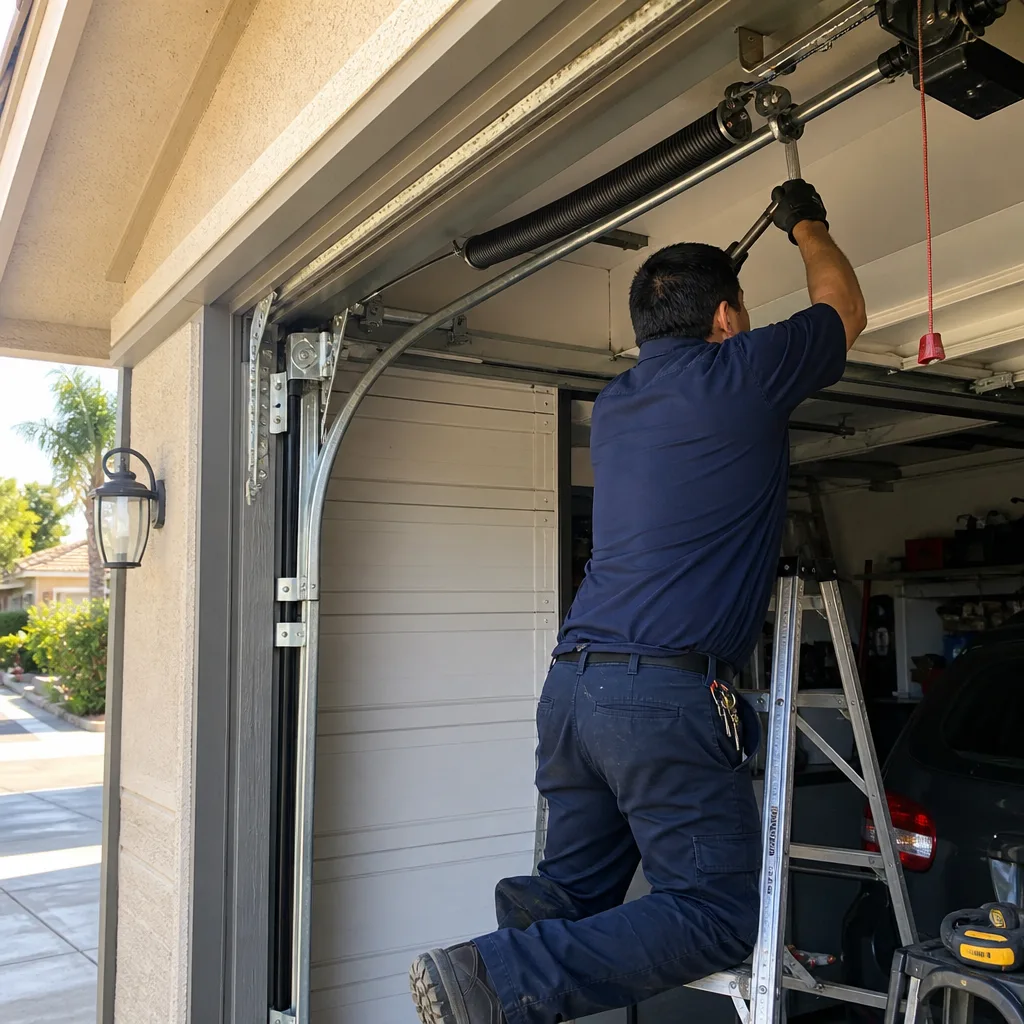
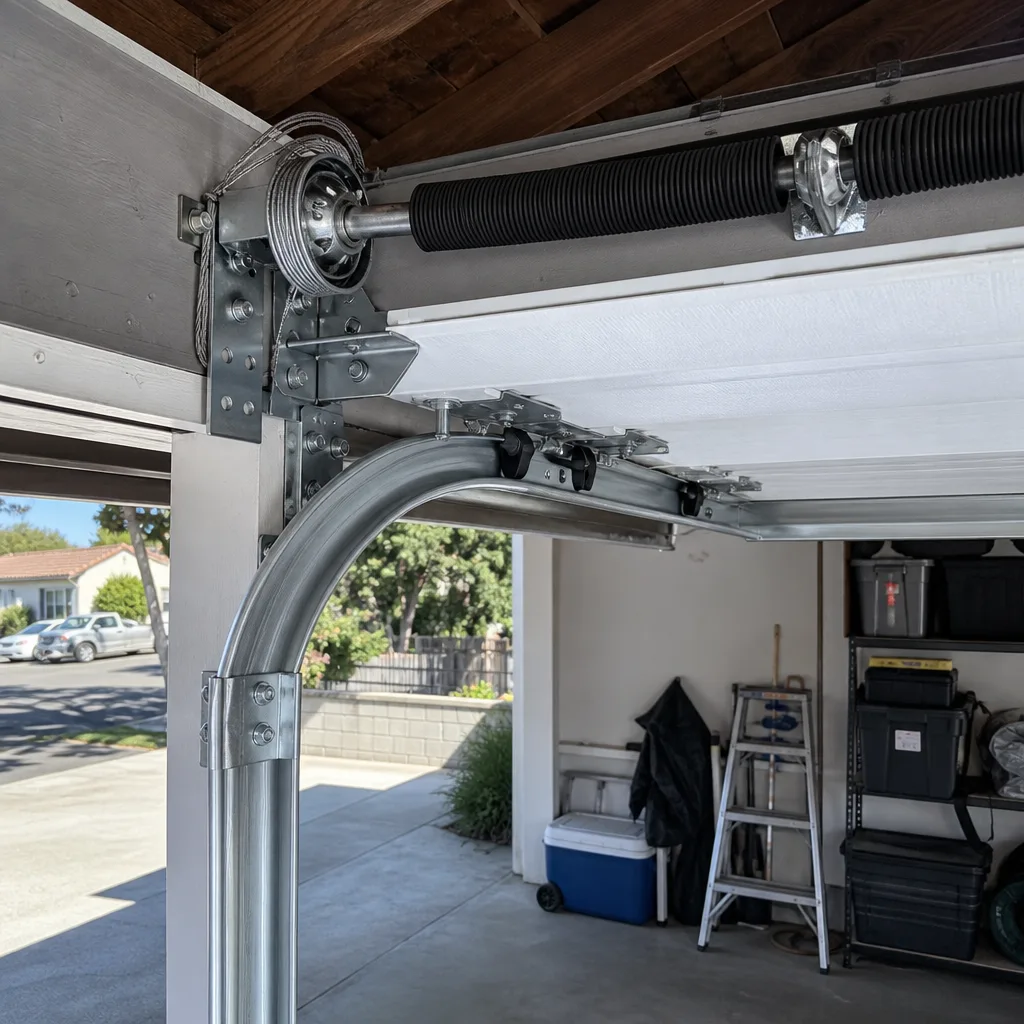
A torsion spring is a heavy-gauge steel coil mounted horizontally on a shaft above the door opening. When the door is closed, that spring is wound tight, storing a large amount of rotational force. The spring is what lifts most of the door’s weight when the opener runs or when you pull the emergency release and lift manually. The spring’s stored energy is measured in cycles, not years. A standard torsion spring is rated for 10,000 cycles, which translates to roughly 7 to 10 years in a typical Los Angeles home where the door opens two to four times a day.
When the spring fails, it typically snaps with a loud bang that sounds like a gunshot or a car backfiring. If you’re in the garage when it happens, it’s startling. If you’re holding a wrench on the winding cone when it happens, the cone becomes a projectile. That’s the core of the danger. The winding cone is the metal fitting at the end of the spring with holes for winding bars. If the spring breaks while you’re winding or unwinding it, the stored energy releases through the cone and whatever is in those holes. A two-foot steel bar becomes a projectile moving faster than you can react.
Here’s what we hear from homeowners who attempted a torsion spring replacement and called us afterward:
- “I thought I could just use screwdrivers instead of winding bars.” Screwdrivers bend, snap, or slip out of winding cones. Winding bars are solid steel rods specifically sized to fit the cone holes. Anything else is a gamble.
- “The tutorial didn’t look that hard.” The tutorial maker probably replaced a spring on a door similar in weight and spring type. Your door may be different. More on that below.
- “I only needed to adjust it a quarter turn.” Every turn of a torsion spring changes the stored force by roughly 7 to 8 pounds of lift. A quarter turn matters. And the risk is the same whether you’re adjusting one quarter-turn or replacing the whole spring.
In our experience across Los Angeles, from Westchester to Eagle Rock, a snapped torsion spring is the single most common reason for an emergency call. It’s also the repair where we most often see evidence of a prior DIY attempt: chewed-up winding cones, bent bars left in the cone, and occasionally a spring that was wound backward, which reverses the door’s balance and puts strain on every other component.
The takeaway: this is the one component where the DIY conversation ends. Garage Door Spring Repair in Los Angeles is a service that exists because this specific part fails predictably and is dangerous to replace without training. If your spring is broken, call a professional. If it’s making noise or the door feels heavy, call before it fails.
How to Evaluate a YouTube Tutorial Before Touching Anything
We’re not opposed to YouTube. A well-made tutorial is a genuinely useful resource for the safe DIY tasks we listed above. For more guides & resources from our team, browse the blog. The problem is that a tutorial made in Ohio in 2016 may show a completely different door setup than what’s in your Los Angeles garage. Here’s how to evaluate a video before you act on it.
1. Confirm the spring type matches your door. There are two types of spring systems: torsion (mounted on a shaft above the door) and extension (mounted on the sides, stretching along the horizontal tracks). They are completely different mechanisms. A tutorial for an extension spring replacement is useless and dangerous if your door has a torsion spring, and vice versa. Most LA homes built after 1980 have torsion systems, but older homes in neighborhoods like Hancock Park and Leimert Park often still have extension springs.
2. Confirm the door weight matches. A 16-foot insulated steel door weighs significantly more than a single-car 8-foot aluminum door. The spring size, cable thickness, and winding procedure differ. A tutorial showing a lightweight single door is not a guide for a heavy double door.
3. Look for safety equipment in the video. If the creator isn’t wearing safety glasses and using proper winding bars, close the video. If they’re holding the spring by hand while “unwinding” it, close the video faster. The presence or absence of basic safety practices tells you whether the creator actually does this work regularly or is just making content.
4. Check the comment section for corrections. This sounds trivial, but the comment section is where actual technicians flag bad advice. If multiple people are pointing out the same safety error, that’s a signal to distrust the video.
5. Does the video match your opener brand? If you’re reprogramming a remote, the process differs between LiftMaster, Chamberlain, Genie, and older Craftsman units. A LiftMaster tutorial won’t help with a Genie opener. Match the brand.
One more thing: even the best tutorial doesn’t account for what’s actually in your garage. If your door has been in service for 15 years, the hardware isn’t going to look like the pristine door in the video. Rust, stripped bolts, a misaligned track, a previous repair, these are all variables that change the job. That’s a big part of why a skilled technician’s value isn’t that they can follow instructions. It’s that they’ve seen the variations.
The Real Cost of a DIY Mistake in Los Angeles
Let’s put numbers on what a failed DIY attempt actually costs. This is where the “save $200 by doing it yourself” math falls apart. For detailed pricing context, see our Garage Door Cost Breakdown: The Los Angeles Homeowner’s Reference for 2026.
Emergency room visits: The most serious cost. Torsion spring injuries commonly involve hand fractures, finger amputations, and lacerations requiring surgery. The average ER visit in California for a hand injury requiring imaging and treatment runs $3,000 to $6,000 before insurance. That’s not the out-of-pocket figure, but it’s the baseline cost of the injury itself, and it doesn’t account for lost work time or follow-up care.
Door panel replacement: If a spring releases while the door is off its tracks, or if a homeowner disconnects the opener while the spring is broken and the door slams down, the panel often cracks or dents beyond repair. A replacement panel for a standard steel door in Los Angeles costs $250 to $600 depending on the brand and finish, and that’s before labor. If the door is an older Clopay or Amarr model with a discontinued finish, you may be looking at a full door replacement because the panel is no longer manufactured.
Opener damage: A garage door opener is designed to work with a counterbalanced door. When the spring fails mid-repair, the opener’s carriage and gear assembly take the full weight of the door. That strips the plastic drive gear inside most Chamberlain and LiftMaster openers. The repair costs $150 to $250. A full opener replacement is $350 to $600.
Time: The cost nobody budgets for. A DIY spring replacement that goes wrong takes a full day, plus the time to schedule a professional repair afterward. The professional repair alone takes 45 to 90 minutes.
So the realistic worst-case scenario for a botched torsion spring job in Los Angeles: $3,000+ in medical bills, a $350 panel replacement, a $200 opener gear repair, and a day of your life. The realistic best-case scenario for a professional repair: $180 to $340, done in under two hours, with a written guarantee on the work. The math isn’t close.
We should also say something about the less dramatic DIY failures. A misaligned sensor is a 15-minute fix when done right. When done wrong, the wires get pinched or the sensor gets aimed at the wrong angle, and the door still won’t close. Now you’ve spent an hour and the problem is worse. A poorly installed bottom seal lets water into the garage during the kind of winter rain we get in LA, and now you’ve got water damage on stored items or along the base of the wall. Neither is catastrophic, but both are avoidable.
California Liability: Insurance, Disclosures, and Unpermitted Work
This section is where most DIY guides stop being useful, because most of them are written generically. California has specific rules that affect garage door work, and Los Angeles homeowners should know them. For the full picture, read our guide to Garage Door Permits, Codes & Inspections in CA: What You Need to Know.
Insurance claims: If a DIY garage door repair leads to property damage, a home claim isn’t guaranteed. Insurance policies generally cover sudden and accidental damage, but if the damage resulted from an unlicensed repair attempt, the insurer may deny the claim on the grounds that the homeowner created the risk. This is especially relevant in an attached garage, where a falling door can damage a shared wall, a water heater, or a car. We’ve seen homeowners in the San Fernando Valley end up paying out of pocket for a fire-rated wall repair after a door fell into it during a spring experiment gone wrong.
Home sale disclosures: California is a strict disclosure state. When you sell a home, you’re required to disclose known material facts that affect the property’s value or safety. That includes known issues with the garage door system. If you replaced a spring yourself, you’re legally required to disclose that the work was not done by a licensed professional. That disclosure can affect the sale price or trigger a buyer’s inspection request. In a hot market like Los Angeles, some buyers will overlook it. Others won’t. Either way, it’s a disclosure you’d rather not have on your list.
Permits: Most routine garage door repairs, spring replacement, and panel replacement don’t require a permit in Los Angeles. A full structural change, like widening a garage door opening or converting a single door to a double, does. The Los Angeles Department of Building and Safety requires permits for any work that alters the structural frame of the garage opening. That’s not a DIY job in the first place, but it’s worth knowing the line.
Rental properties: If you own a rental property in Los Angeles, the liability picture is different. Tenants have legal rights to a functioning garage door, and if a DIY repair fails and injures a tenant, the owner’s liability is significantly higher than if the same injury happened in their own home. Property owners in neighborhoods like West Adams and Highland Park who manage one or two rental units should treat garage door spring and cable work as automatically professional, no exceptions, because the liability calculus makes the DIY savings irrelevant.
The Three-Question Decision Flowchart
Use this before you Google anything else. It takes 30 seconds.
- Is there a torsion spring or lift cable involved? Look at the garage ceiling. If the task involves the metal coil above the door or the cables running along the sides, the answer is always “call a professional.” No amount of YouTube research changes this. This is a Garage Door Repair in Los Angeles that requires training and proper tools.
- Is the door stuck, off its track, or making a grinding noise? If the door won’t move, or is visibly out of alignment, or sounds like metal dragging on metal, there’s likely spring involvement or track damage. Stop and call. Don’t force the door open or closed.
- Is the task limited to the bottom seal, sensors, remote, or lubrication? If the answer to questions 1 and 2 is no, and the answer here is yes, you’re in DIY territory. The four safe tasks we listed at the top are safe because they involve no stored energy and no forces beyond what a pair of hands can manage.
If the answer to question 3 is “not sure,” call for a free estimate. A professional will identify the problem and quote a written price before any work starts. You can then decide whether the job is worth hiring out. That consultation costs you nothing in Los Angeles when you call a company that offers free estimates.
What You’ll Spend on DIY vs. a Pro in LA
The financial comparison is straightforward for most tasks. Here’s what a DIY attempt costs in tools and materials versus a professional repair in the Los Angeles market.
| Task | DIY Cost (Parts & Tools) | Professional Cost (Parts & Labor) | Verdict |
|---|---|---|---|
| Bottom seal replacement | $25 – $60 | $80 – $150 | DIY is reasonable |
| Sensor alignment | $0 (no parts needed) | $75 – $120 (service call) | DIY is reasonable |
| Lubrication | $10 – $20 (lubricant) | $60 – $100 (service call) | DIY is reasonable |
| Remote reprogramming | $0 – $40 (replacement remote if needed) | $60 – $100 (service call) | DIY is reasonable |
| Torsion spring replacement (single) | $80 – $150 (spring + winding bars) | $180 – $340 | Professional only |
| Lift cable replacement | $20 – $50 (cables) | $150 – $300 | Professional only |
| Track realignment (under tension) | N/A | $150 – $250 | Professional only |
| Full door replacement | N/A | $1,200 – $4,500 (door + installation) | Professional only |
These are Los Angeles market ranges based on what we charge and what competing companies in the LA basin typically quote. Prices vary by neighborhood, door size, and the specific parts involved. The key number on this table is the torsion spring line. The DIY savings is roughly $100 to $190, and in exchange for that savings you accept a risk that has permanently changed lives. That’s not a trade worth making.
Worth noting: a professional spring replacement in Los Angeles generally includes the spring, all labor, a balance test, and a written guarantee. The guarantee is the silent difference-maker. If the spring fails in six months, the professional comes back at no charge. If your DIY spring fails in six months, you’re buying another spring and doing the whole job again.
For Garage Door Installation in Los Angeles, the DIY conversation doesn’t exist. Full door replacement involves spring winding, cable routing, track installation, and panel lifting that requires at least two people and specialized tools. The installation cost is not a surcharge for convenience. It’s the cost of doing the job safely.
Common Mistakes to Avoid
- Using screwdrivers as winding bars. This is the mistake we see most often in the aftermath. Screwdrivers are not sized for winding cones, they slip, and when they slip, the spring releases the stored energy through the cone. If you ever find yourself holding a screwdriver near a torsion spring, stop.
- Disconnecting the opener with a broken spring. When a spring snaps, the opener can’t lift the door. Some homeowners pull the emergency release cord thinking they can lift the door manually. With no spring to counterbalance it, the door becomes a 200-pound dead weight. If you can’t hold it, it slams down. That’s how people get hurt and how panels get destroyed.
- Watching a tutorial for the wrong spring type. Extension spring and torsion spring replacements are completely different procedures. Watching the wrong video and following it on your door is a guaranteed path to trouble.
- Skipping the balance test after a DIY adjustment. After any spring work, the door should stay in place when opened halfway. If it drifts up or down, the spring tension is wrong. Skipping this test leaves you with a door that can close unexpectedly or wear out the opener prematurely.
- Using WD-40 on hinges and rollers. WD-40 is a solvent, not a lubricant. It removes grease. Use white lithium grease or silicone spray instead. This is the most common maintenance error we see in LA garages, particularly in coastal neighborhoods where salt air causes faster metal corrosion.
- Forcing a door that’s stuck. If the door won’t move under opener power, forcing it by hand or continuing to press the opener button will strip the opener’s gear or bend the track. A stuck door is a symptom. The cause is usually a broken spring, a jammed cable, or something obstructing the track. Find the cause before applying force.
- Ignoring a noisy door. A garage door that squeaks, pops, or grinds is telling you something. In the dry Los Angeles climate, lack of lubrication is the most common cause. But grinding can also indicate roller bearing failure, and popping can signal a spring losing tension. Fix the noise now or pay for the damage later.
When to Call a Professional
Call a technician when the torsion spring is broken, the lift cables are frayed or snapped, the door is off its tracks, or the door won’t open or close despite the opener running. Also call when you hear a loud bang from the garage followed by the door refusing to open, that’s the classic spring-snap signature. And call when you’ve attempted a DIY task and it didn’t fix the problem. A second opinion costs nothing if the company offers free estimates. Bramwell Garage Doors Los Angeles offers free estimates throughout Los Angeles, and a live person answers the phone day and night at (213) 996-0290.
Frequently Asked Questions
A single torsion spring replacement in Los Angeles typically runs $180 to $340, parts and labor included. If both springs need replacing, which is often the case since they wear at the same rate, expect $280 to $550. The exact price depends on the door weight, spring size, and whether you need a same-day appointment. Call (213) 996-0290 for a written quote before any work starts.
No, replacing a garage door spring is not a safe DIY project. Torsion springs store 150 to 250 pounds of torque, and releasing that tension without proper winding bars and training can cause serious hand and eye injuries. Extension springs carry the same warning. This is the one repair where the risk of saving $150 is permanently changing your life.
Yes, most Los Angeles garage door companies, including Bramwell, offer same-day spring replacement when you call before early afternoon. A live person answers the phone 24/7, and the technician arrives within a stated window with a written price ready before any work begins at (213) 996-0290.
Not when you work with a company that commits to a written price before work starts. The price should be quoted and agreed before any work begins, so the number on the invoice matches the number you were quoted. If the technician finds something unexpected, the additional work is quoted separately and approved by you before it happens. At Bramwell, this is the core of how we work and it’s written into every job, not just talked about at the door. Every repair in Los Angeles comes with this commitment.
In most cases, homeowners insurance does not cover damage from an unlicensed or DIY repair attempt. If a failed spring replacement damages the door, the car, or the garage structure, the insurer may deny the claim because the damage resulted from the homeowner’s own unlicensed work. This is a significant California-specific risk that most DIY guides don’t mention.
Broken torsion springs are the most common repair call in Los Angeles, followed by opener failures and sensor misalignment. The combination of frequent daily use, dry heat, and occasional coastal moisture means springs in LA garages typically fail every 7 to 10 years. Most of our spring replacement calls in neighborhoods from Los Feliz to Playa del Rey follow the same pattern: a loud bang, a door that won’t lift, and a homeowner who did the right thing by calling instead of attempting the repair.
The Bottom Line
DIY garage door work in Los Angeles is a narrow lane: bottom seals, sensors, remotes, and lubrication. Everything else involves stored energy or heavy moving parts, and the cost of a mistake far exceeds the cost of a professional repair. The math is especially clear on torsion springs, where a $200 repair prevents a possible $3,000 medical bill. When the job is beyond the DIY lane, call a Los Angeles professional who puts the price in writing before any work starts. That’s the standard every homeowner should demand, and it’s the only way we work at Bramwell Garage Doors Los Angeles home.
Written by Marcus Ellery, Owner at Bramwell Garage Doors Los Angeles, serving Los Angeles since 2001.
See the difference
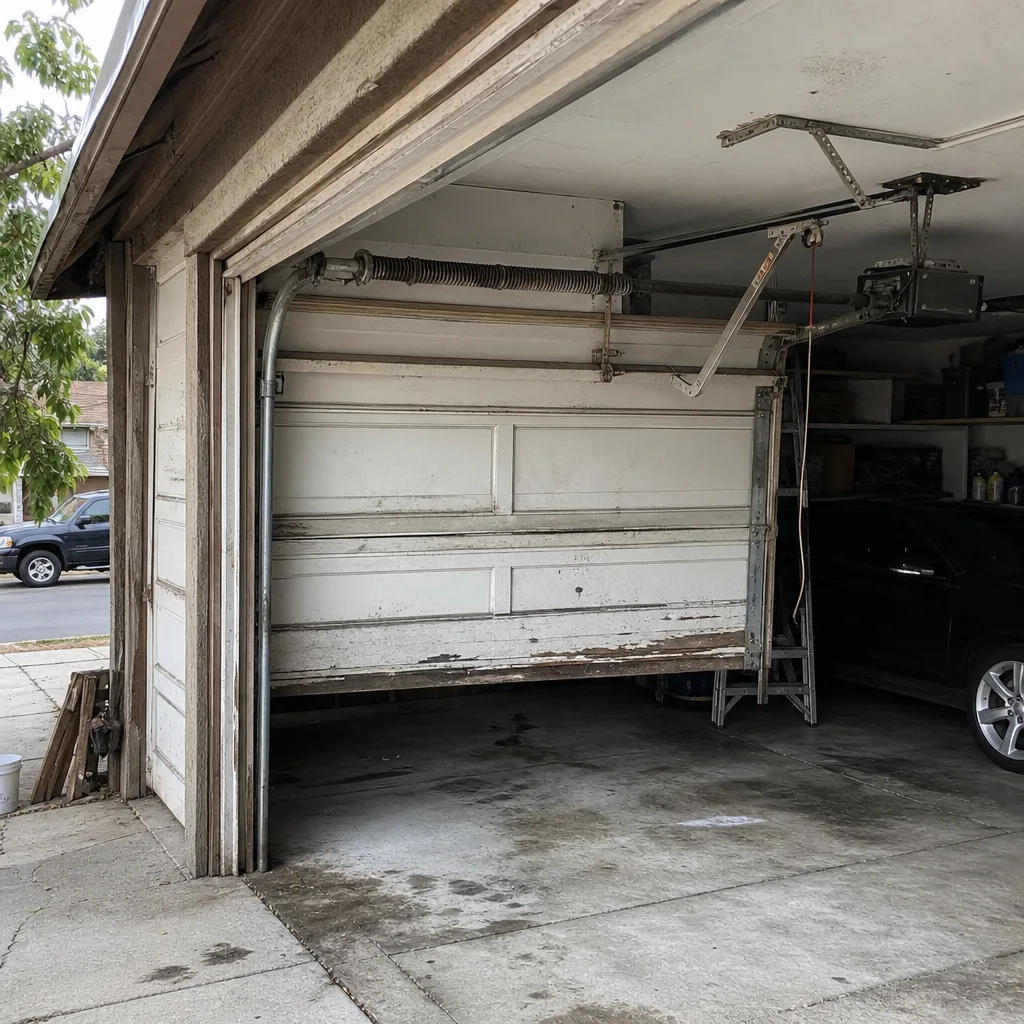 Before
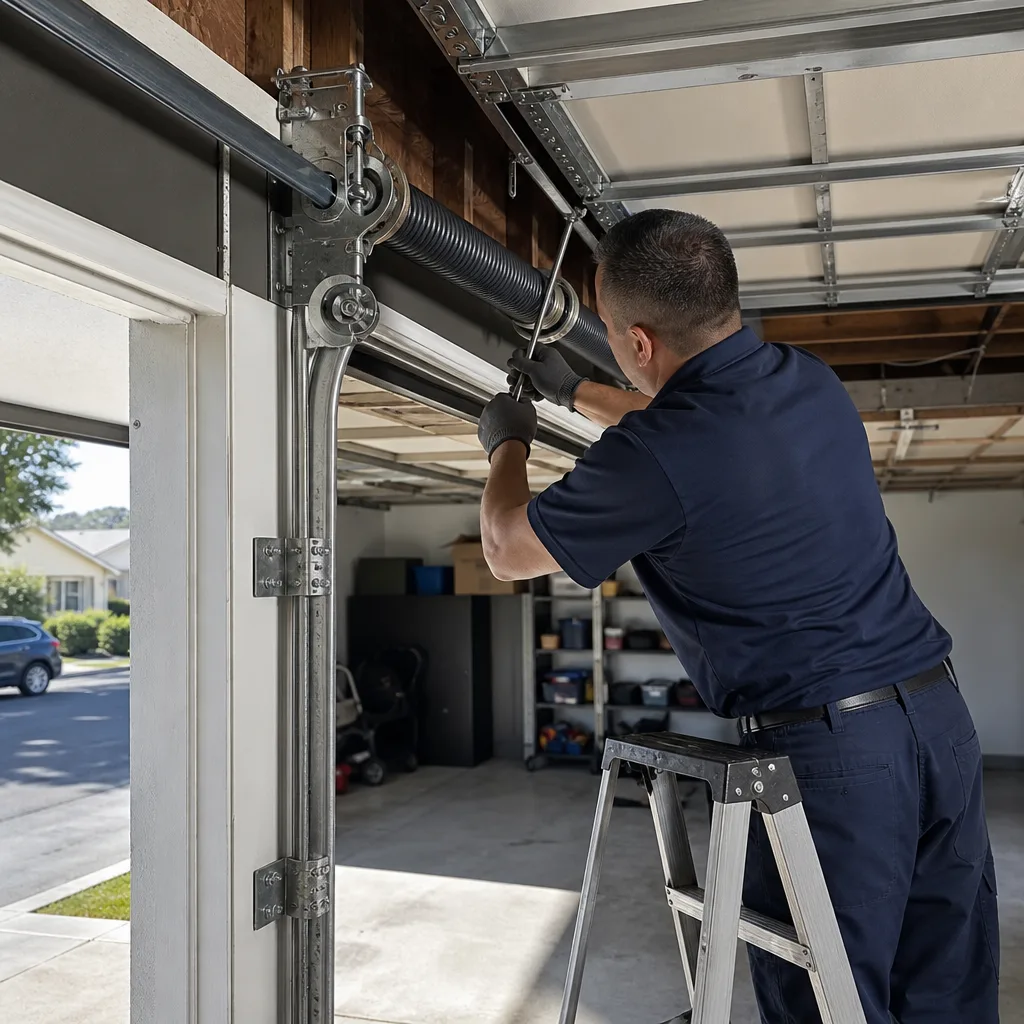 After
After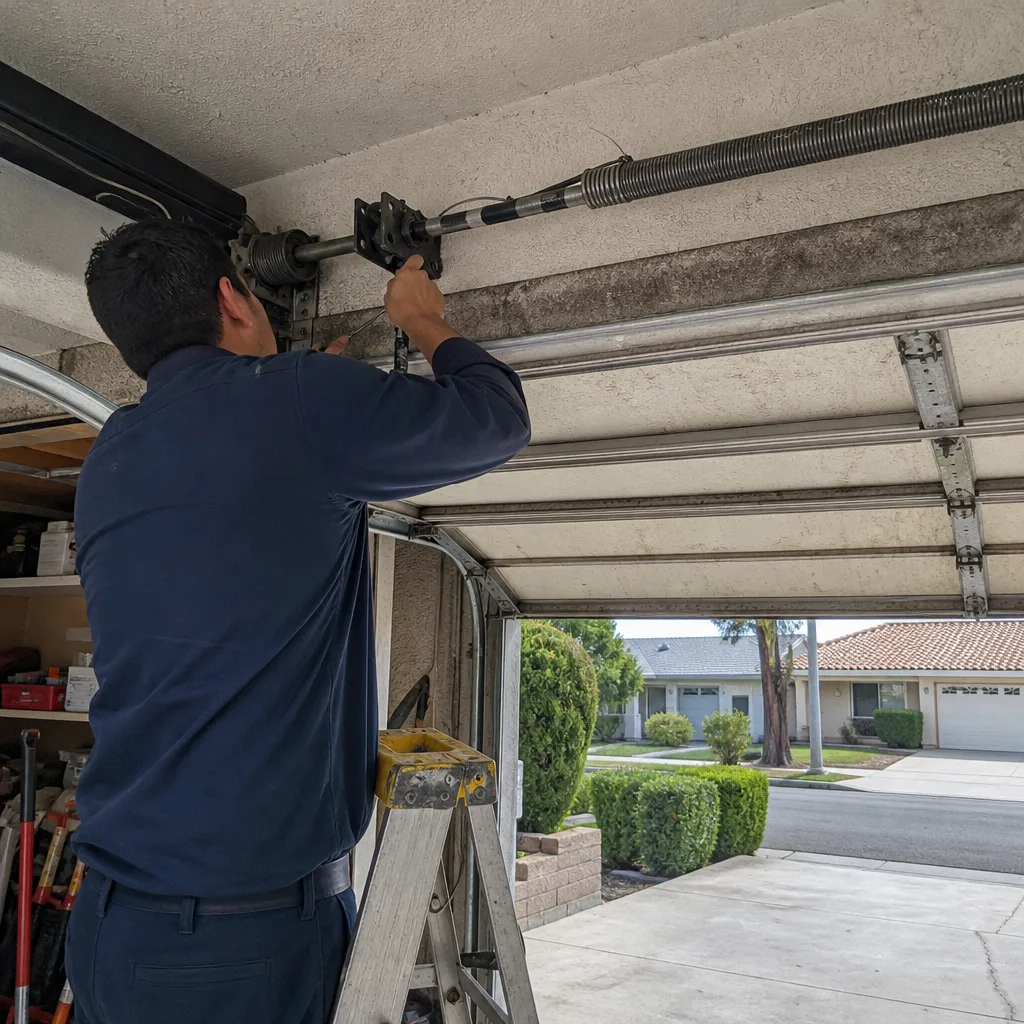 Before
 After
After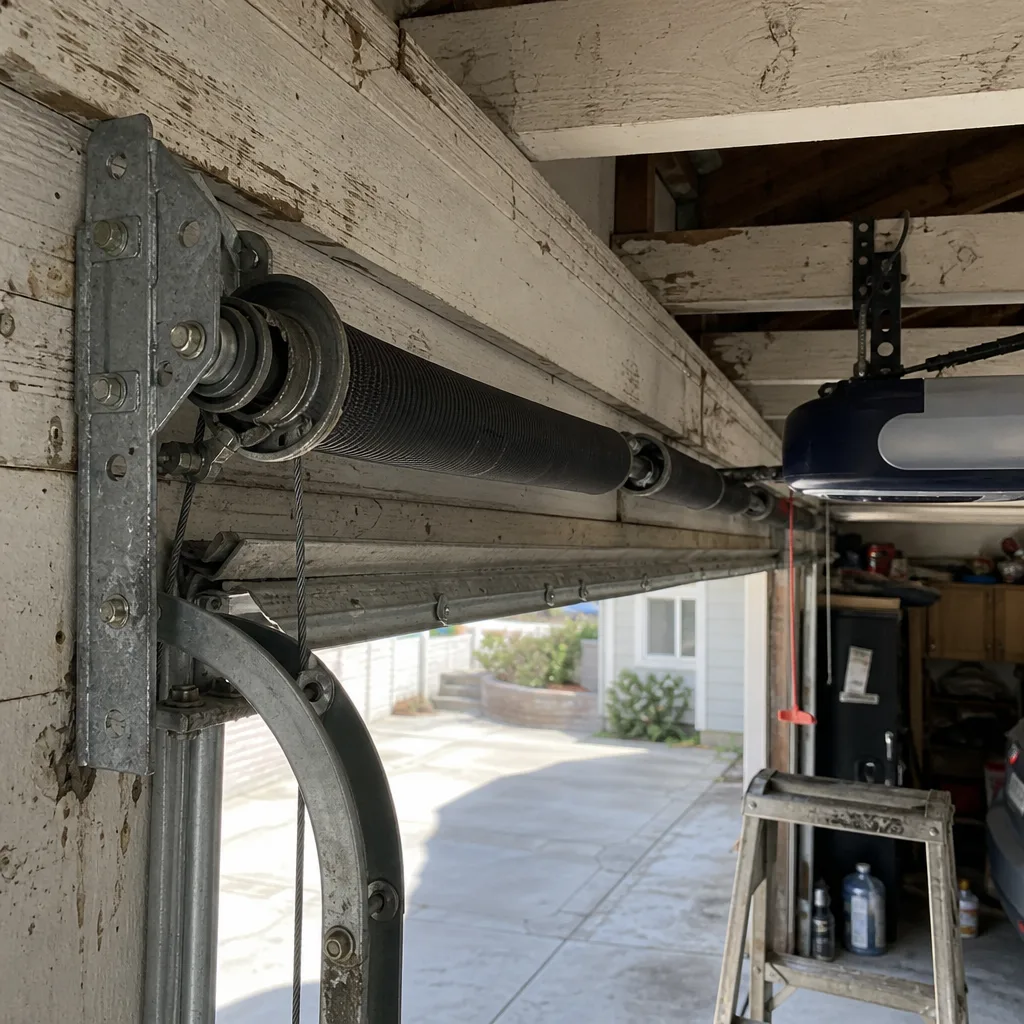 Before
 After
After