
Last updated October 15, 2026
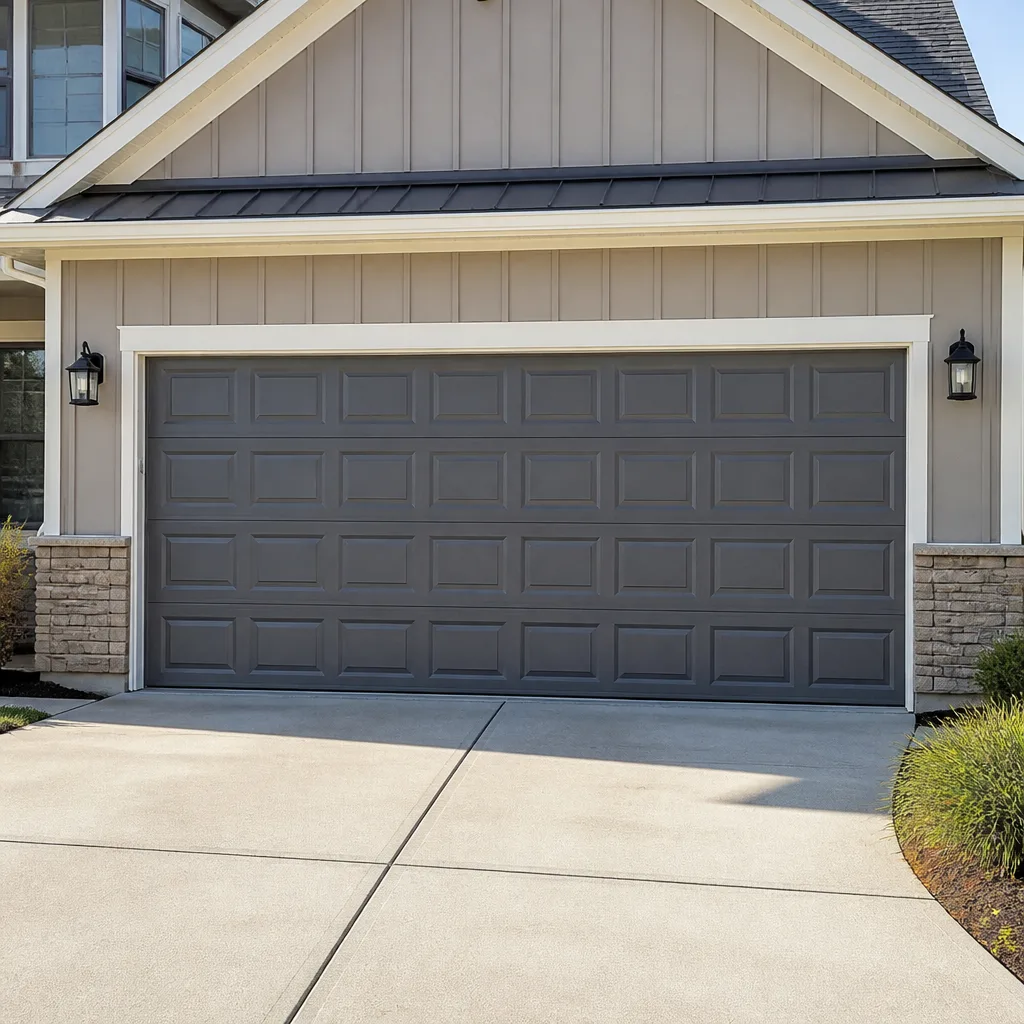 Raised-panel steel
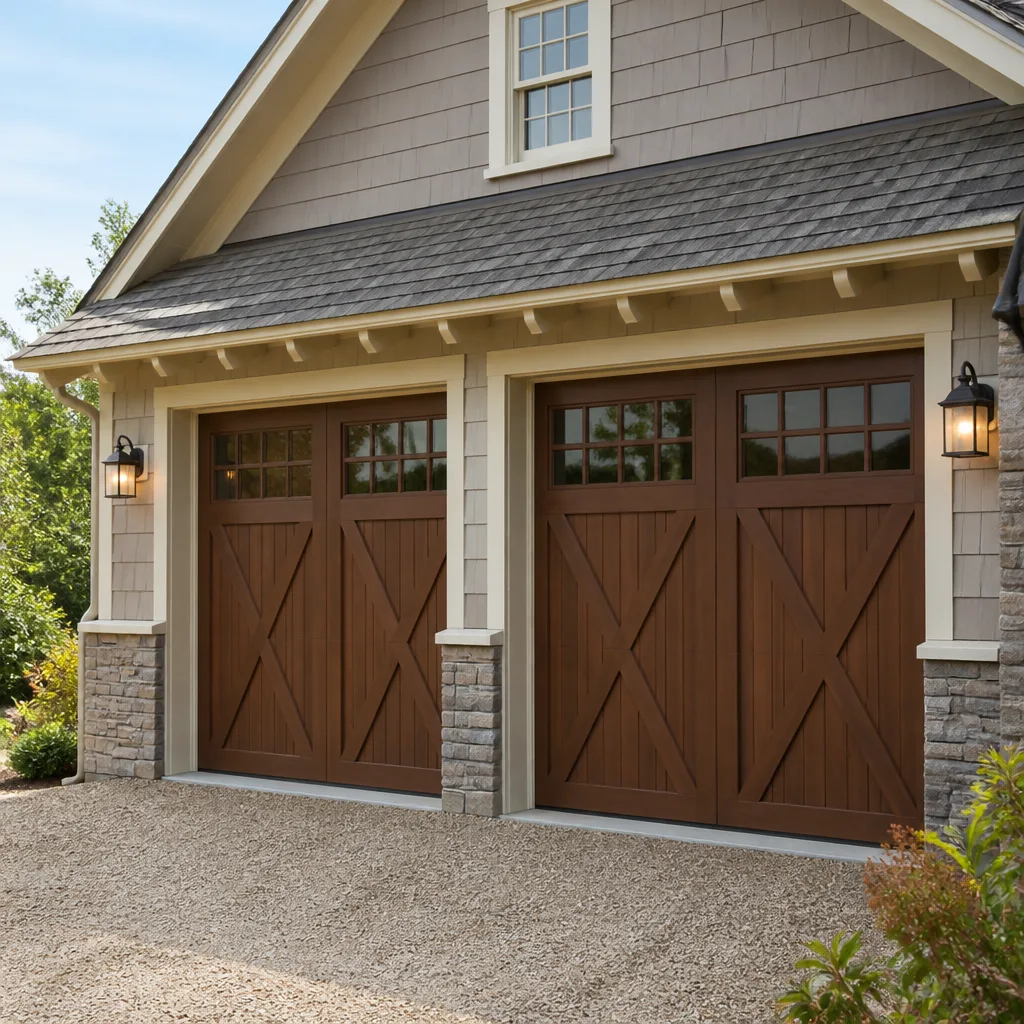 Carriage house
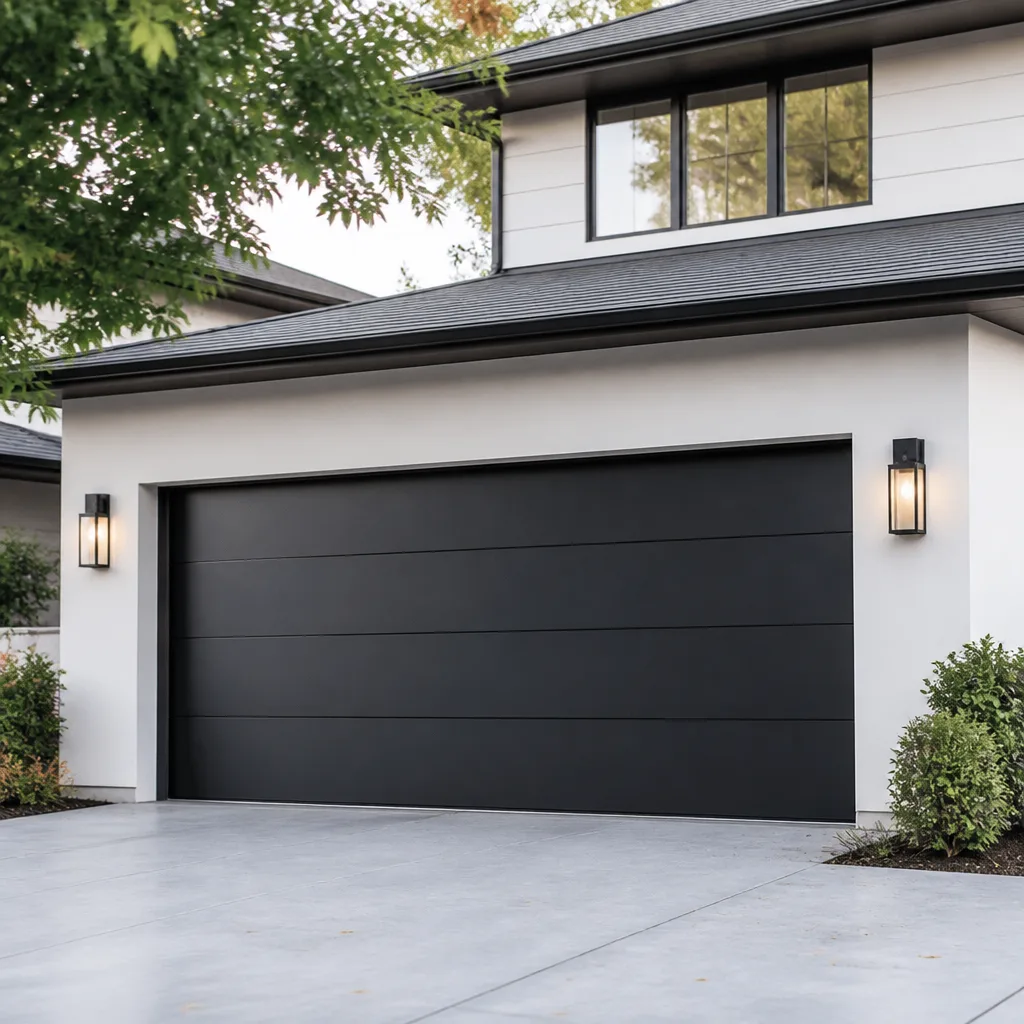 Modern flush
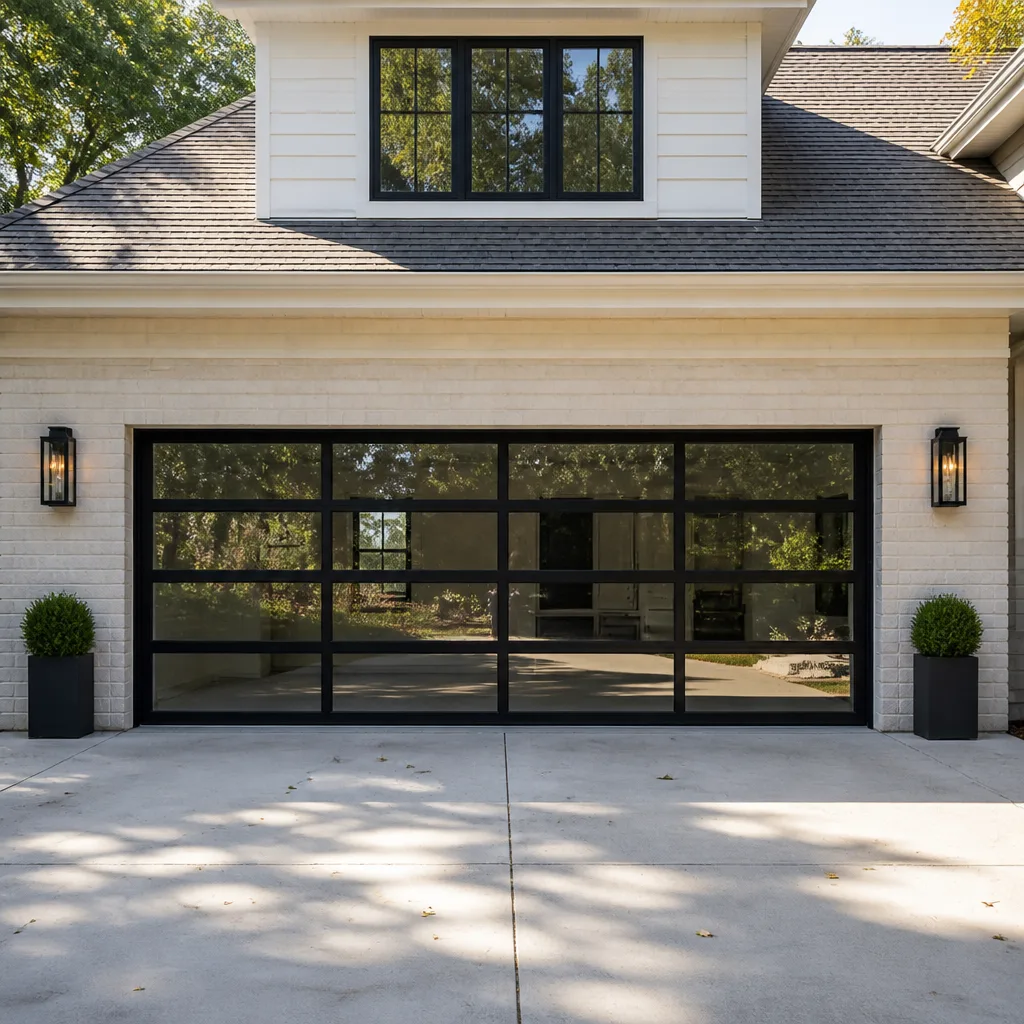 Full-view glass
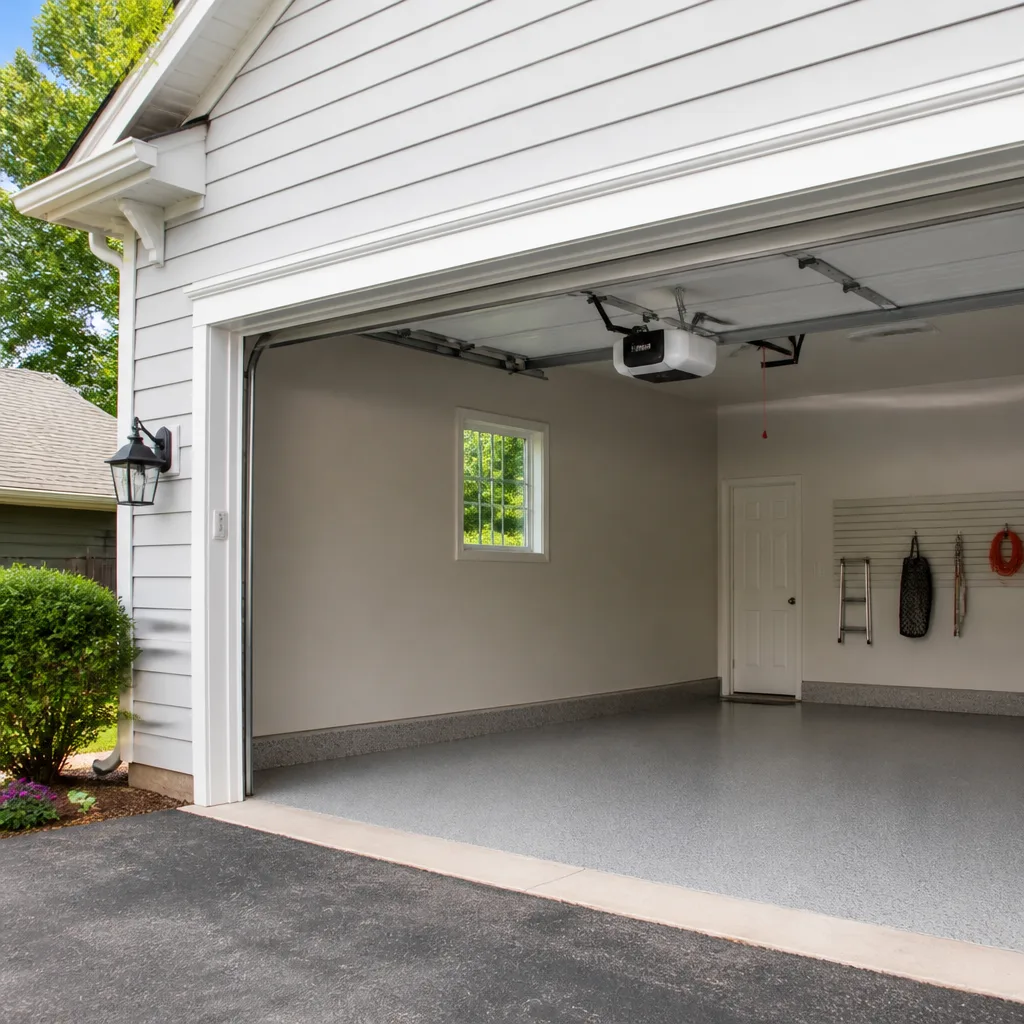 LiftMaster openers
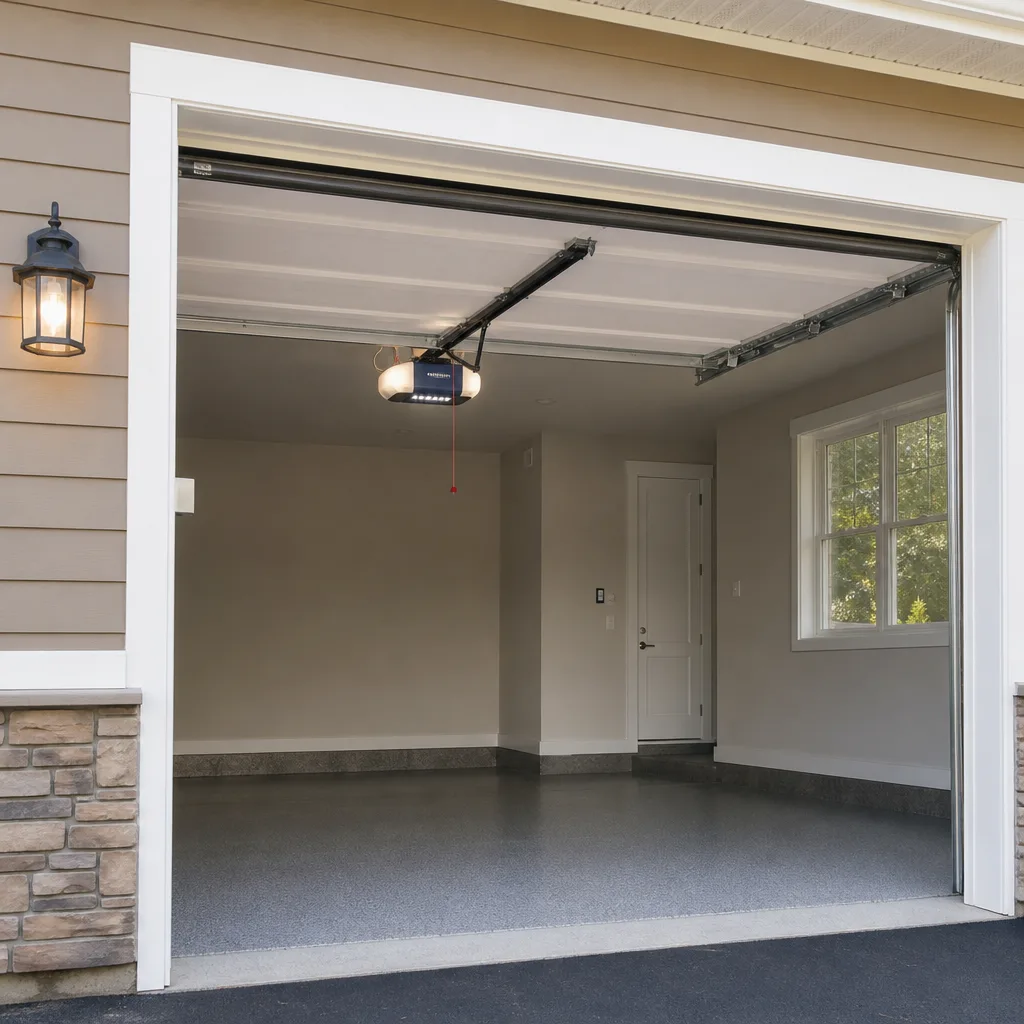 Chamberlain openers
Full 25-point door and opener safety check with every visit - springs, cables, rollers, tracks, and your LiftMaster or Chamberlain opener included
You get a price before we start. It does not change when the truck arrives.
Get your free estimateHow to Hire a Garage Door Contractor in Los Angeles: A Step-by-Step Guide
In California, you can legally perform garage door work on your own home without holding a license. But the moment a company charges you for that same work, state law requires them to hold a C-61/D-28 or C-28 contractor’s license. Most Los Angeles homeowners don’t know this distinction, and plenty of unlicensed operators are counting on that ignorance. This guide gives you a concrete vetting script, not a generic checklist, so you can screen out bad actors before anyone ever backs a truck into your driveway. For more guides & resources, see our blog. We’ll cover the exact license lookup process, the four phone questions that expose pricing dishonesty, and the red flags unique to the Los Angeles garage door market.
Styles & brands we work with
Quick Answer
To hire a garage door contractor in Los Angeles, verify their California contractor’s license through the CSLB lookup tool, confirm they hold the C-61/D-28 or C-28 classification, ask four specific questions about pricing, arrival windows, warranty coverage, and who does the actual work, and get a written price before any work starts. For a deeper look at the full process, read our Complete Guide to Garage Door in Los Angeles. Verbal quotes are not binding under California contractor law; only a written price confirmation protects you. Expect to pay $75 – $125 for a service call that’s applied toward the repair, $150 – $280 for a torsion spring replacement, and $250 – $650 for an opener replacement, depending on your door type and opener model.
Table of Contents
- Step 1: Verify the California Contractor’s License (and Which Classifications Matter)
- Step 2: Ask These Four Phone Questions Before Booking
- Step 3: Spot Dispatching Companies Before They Show Up
- Step 4: Read Reviews for the Right Red Flags
- Step 5: Demand a Written Price Before Work Starts
- Step 6: Know What a Good Job Actually Looks Like
- What Garage Door Work Costs in Los Angeles
- Common Mistakes to Avoid
- When to Call a Professional
- Frequently Asked Questions
- The Bottom Line
Step 1: Verify the California Contractor’s License (and Which Classifications Matter)
Garage door work in California falls under two possible license classifications. The C-61/D-28 is a limited specialty classification for garage door installation and repair. The C-28 covers locksmith and related hardware work, and some garage door companies operate under it because a garage door is technically classified as access control hardware. Either one is legitimate, but the company must hold one of them. A general building contractor license (B) does not automatically cover garage door work, and an operator with no license at all is breaking California law the moment they charge you money.
Here’s the exact lookup process we recommend to every homeowner in Los Angeles:
- Go to CSLB.ca.gov and click “Check a License” on the homepage.
- Enter the company name or license number. If you don’t have the number, search by business name exactly as it appears on their website or truck.
- Confirm the classification. Look for C-61/D-28 or C-28 in the license record. If the classification says something unrelated, like C-36 for plumbing, that’s a red flag.
- Check the status. The license must show as “Active.” Suspended, expired, or cancelled means the company cannot legally perform work.
- Verify the business name matches. The name on the license must match the name on the invoice or contract. If a company answers the phone as one name but invoices under another, ask why.
- Note the issuance date. A license issued three months ago is not automatically disqualifying, but it means the company has not operated under that entity for long. Combined with no verifiable local history, proceed with caution.
If a contractor’s number doesn’t pull up at all, or they give you a license number that belongs to a different company, stop the conversation right there. We’ve heard every excuse: “it’s in process,” “my partner holds it,” “we work under another company’s license.” None of those are legal justifications. In Los Angeles, where unlicensed operators concentrate heavily in the garage door trade, the license check is not a formality. It’s the single fastest way to eliminate the bottom tier of operators.
Step 2: Ask These Four Phone Questions Before Booking
The phone call tells you more about a garage door company than their website ever will. We recommend asking these four questions in order, and listening carefully to how they answer, not just what they say.
Question 1: “How do you quote a repair?”
A straight answer sounds like: “We send a technician who diagnoses the problem, then gives you a written price for the repair before any work starts.” A vague answer sounds like: “We’ll let you know when we get there” or “Depends on what we find.” You want a company that commits to a written price before touching your door, not one that reserves the right to name a number after the door is in pieces. Ask whether the service call fee gets applied toward the repair, or whether it’s charged separately on top of the work.
Question 2: “Do you give a specific arrival window?”
Real companies give you a window, typically two to four hours wide, and they hit it. Dispatching companies give you “sometime this afternoon” or “we’ll call when we’re close.” In LA traffic, arrival windows matter. A company that cannot commit to a window has not actually scheduled anything; they’ve put you on a list and will get to you when they get to you. Ask for the window in writing, by text or email, so there’s a record.
Question 3: “What does your warranty cover, and for how long?”
Listen for specifics. A real answer names the duration (90 days, one year, two years) and what’s included (parts, labor, both). A red-flag answer says “we stand behind our work” without ever giving a number. The follow-up question is: “Is that in writing?” If the company hesitates, or says the warranty is “verbal,” move on. In Los Angeles, we regularly see repair failures inside 90 days from low-quality parts. A written warranty is the only thing that compels the company to come back.
Question 4: “Does your technician do the work, or do you subcontract?”
This is the question most homeowners never think to ask, and it’s the one that reveals the biggest structural problem in the LA market. A company that dispatches its own trained, background-checked technician will answer immediately and with confidence. A company that subcontracts will deflect: “We have a network of technicians,” or “We partner with local crews.” What they mean is they don’t employ the person who will stand in your garage. You deserve to know exactly who’s coming.
Step 3: Spot Dispatching Companies Before They Show Up
Los Angeles has more dispatching companies in the garage door trade than almost any major US market. These are businesses that exist primarily as a phone number and a website. When you call, they book the job and then subcontract it to whichever independent technician is available and willing to take the work that day. The dispatching company takes a cut, and the technician who shows up has no employment relationship with the brand you called.
Here’s how to spot one before booking:
- The website is generic. If the site could describe a garage door company in Phoenix, Dallas, or Orlando without changing a word, it’s probably a dispatch operation. Local companies mention local things: neighborhoods, freeways, permit requirements, weather.
- The phone is answered by anyone. A dispatcher cannot tell you who will arrive, what truck they drive, or what experience they have. Ask “Who will be at my house?” and see if the answer names a person or a process.
- The service area is suspiciously broad. A garage door company that claims to serve all of Southern California, from Ventura to San Diego, is not positioned to give any single customer a real arrival window. Local companies cluster around a defined area.
- They charge a dispatch fee upfront. Some dispatch operations collect a booking fee before a technician is even assigned. A real company bills for work performed, not for the privilege of scheduling.
There’s nothing inherently illegal about a dispatching model, but it introduces exactly the variables Los Angeles homeowners have told us they’re tired of: unknown technicians, no accountability, and a game of telephone between the person who sold you the job and the person holding the wrench. The alternative is a company with its own technicians on payroll, background-checked, uniformed, and accountable to the brand on the invoice. Ask the question directly. A real company won’t flinch.
Step 4: Read Reviews for the Right Red Flags
Star ratings alone are nearly useless in the garage door category. A company with 4.8 stars can still be a dispatching operation that burned a dozen customers but buried those reviews under a pile of five-star ratings from easy jobs. What matters is the content of the negative reviews, and specifically whether they mention any of these three patterns:
- Price changed after arrival. In this category, the most common complaint is a quote given over the phone, then a technician who arrives and doubles it. In Los Angeles, we see this complaint disproportionately from homeowners in Sherman Oaks, Culver City, and Pasadena. The review will say something like “told me $150 on the phone, charged me $400 at the door.” That’s not an honest price adjustment; that’s a bait-and-switch.
- Parts failed within 90 days. Cheap torsion springs and generic opener parts wear out fast. If reviews mention a spring snapping within three months of installation, the company is using low-grade hardware. A quality spring installed correctly should last 10,000 cycles, which for most LA homeowners is six to ten years.
- No-shows or multi-hour delays. This complaint is so common in the garage door trade that some homeowners have simply accepted it as normal. It isn’t. A company that misses its own arrival window without calling has shown you how they’ll handle the warranty too.
When you read reviews, sort by most recent and read the one-star and two-star entries first. Look for these three patterns. If you see them repeated across multiple reviewers, the company has a systemic problem, not a one-off bad day. And remember that review platforms in the garage door category in LA are actively gamed; some operators pay for review campaigns and some customers are offered discounts for five-star posts. The negative reviews tell you more.
Step 5: Demand a Written Price Before Work Starts
Under California contractor law, a verbal quote for garage door work is not binding. If a technician tells you a price over the phone and then names a different number after diagnosing the problem, you have little recourse unless the quote was documented. A written price confirmation, delivered before any work begins, is the difference between a contract you can enforce and a conversation you can’t prove happened.
A legitimate written price confirmation for garage door work in Los Angeles should include:
- The company’s name, license number, and phone number
- The date and time of the visit
- The specific work to be performed (including part names and brands where applicable)
- The total price, including parts and labor, with no separate “miscellaneous” line
- Whether the service call fee is applied toward the repair or charged separately
- The warranty terms, in writing, with a duration and coverage description
- The expected completion time
We follow a practice at Bramwell Garage Doors Los Angeles home that we call the written-price standard. The technician diagnoses the problem, writes down the price, hands it to you, and does not begin work until you have seen the number and agreed to it. That’s not a marketing slogan; it’s the only honest way to run a service business, and it’s what California law expects. If a company refuses to put a price in writing before starting, that’s the signal to end the interaction.
Step 6: Know What a Good Job Actually Looks Like
Once you’ve hired someone, you need to know whether the work was done correctly. Most homeowners never learn this until something fails. Here’s what a properly executed garage door repair looks like, so you can evaluate the job while the technician is still there.
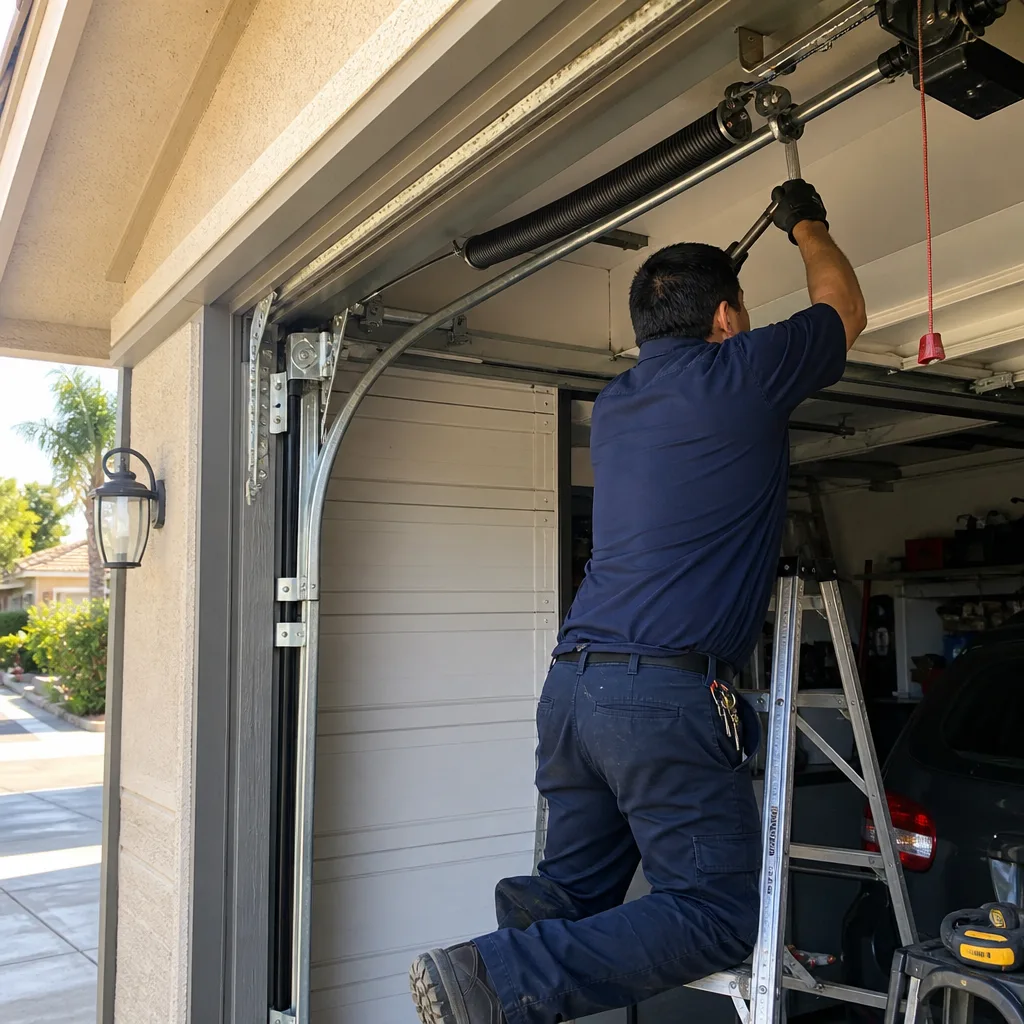
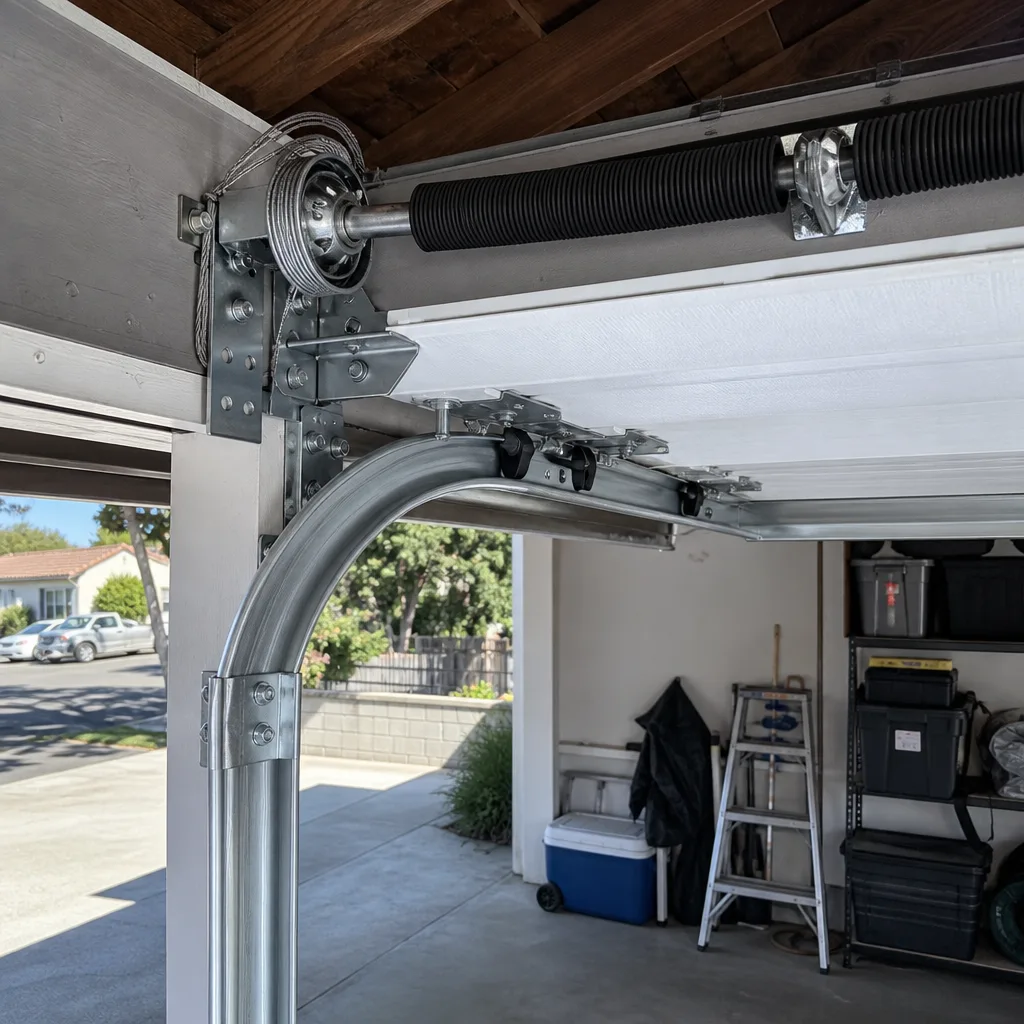
Torsion spring replacement. The torsion spring is the heavy coil mounted above the door that handles most of the lifting weight. A proper replacement matches the old spring’s wire size, coil diameter, and length, and sets the same number of turns. The door should open and fall smoothly, balance at the halfway point when released manually, and not jerk or slam. If the technician uses a visibly thinner or shorter spring, that’s a cost-cutting move that will fail early.
Opener replacement. A good opener installation includes setting the limit switches, which control how far the door travels, and the force settings, which control how hard the opener works. A door that reverses when it touches a two-by-four on the ground is set correctly. A door that slams down or refuses to close all the way is not. Openers from brands like LiftMaster, Chamberlain, and Genie all have specific tension and balance requirements; a technician who skips these steps is setting you up for a call-back.
Cable replacement. The lift cables run along each side of the door and carry tension from the springs. A proper cable replacement includes checking the drum alignment and verifying the door stays level throughout its travel. Sloppy cable work shows up as a door that sits crooked, binds on one side, or makes grinding noises.
A clean job site is part of the work. Broken spring fragments, old parts, and packaging should be picked up and hauled off. If a technician leaves debris in your garage, that tells you something about how they run their business. The Kingswell Way, the standard we operate under, treats a clean job site as a non-negotiable part of every visit in Los Angeles. Same expectation should apply to anyone you hire.
What Garage Door Work Costs in Los Angeles
Los Angeles pricing runs slightly above the national average for garage door work, driven by higher labor costs, traffic logistics, and a market crowded enough that price competition has not kept up with demand. For maintenance tips that can help avoid costly repairs, see our Seasonal Garage Door Care for Los Angeles: Year-Round Homeowner’s Guide. Here are the ranges we see across the city, from Westside neighborhoods to the San Fernando Valley:
| Service | Typical Los Angeles Price Range | Notes |
|---|---|---|
| Service call / diagnosis | $75 – $125 | Usually applied toward the repair if you proceed |
| Torsion spring replacement (single) | $150 – $280 | Parts and labor included; expect 10,000+ cycles from quality springs |
| Torsion spring replacement (pair) | $250 – $450 | Both springs replaced to balance the load evenly |
| Cable replacement (pair) | $145 – $225 | Includes drum inspection and tension adjustment |
| Opener replacement (motor unit) | $250 – $650 | Varies by brand (LiftMaster, Chamberlain, Genie) and horse power |
| New door installation (single-car) | $800 – $2,500 | Depends on material, insulation, and brand (Clopay, Amarr, Raynor) |
| New door installation (double-car) | $1,200 – $4,000 | Wood and custom doors run higher |
These are honest ranges, not precision quotes. Every door is different, and the only way to know your exact price is to have a technician diagnose the specific problem. What matters is that the price is written down and agreed to before the work begins. That’s your protection against the “door-step surprise” that’s far too common in this market. For a deeper look at repair pricing, see our Garage Door Repair in Los Angeles guide.
Common Mistakes to Avoid
- Skipping the license check. It takes 60 seconds on CSLB.ca.gov and eliminates the entire bottom tier of unlicensed operators in Los Angeles. Do it before you book, not after the technician arrives.
- Accepting a verbal quote over the phone. Verbal quotes are not binding under California contractor law. A phone quote of “$150” means nothing when the technician arrives and says the real price is $400. Get it in writing before work begins.
- Hiring based on price alone. The cheapest quote in Los Angeles is often cheap for a reason: low-grade parts, rushed labor, or an operator who won’t be answering the phone in six months. A torsion spring replacement at $99 is either using scrap parts or cutting corners.
- Not asking who will actually do the work. In LA, a company that answers the phone beautifully may be dispatching a stranger with no employment relationship. Ask the direct question and listen to whether the answer names a person.
- Ignoring repeated no-show reviews. A pattern of missed appointments is not a scheduling fluke. It’s a company that has not invested in operations. The same operator will miss your warranty call too.
- Paying a large deposit upfront. For repair work, no legitimate Los Angeles company requires a deposit before the technician arrives. For new door installations, a deposit may be appropriate, but it should be a minority of the total and written into a contract.
- Ignoring the garage door until it fails completely. A door that’s grinding, jerking, or louder than it used to be is telling you something. Early intervention is always cheaper than a full failure in the middle of a workday morning.
When to Call a Professional
Some garage door problems are safe to inspect and some are not. Anything involving the torsion springs, lift cables, or the opener’s internal motor is dangerous enough that it belongs exclusively in the hands of a trained technician. A torsion spring under tension contains enough stored force to cause serious injury if it releases while you’re working near it. The same is true for lift cables, which carry that tension to the sides of the door. If your spring has snapped, your cables have frayed, or your opener is making grinding noises, do not attempt a repair yourself. This is not a “watch a YouTube video and figure it out” situation. The risk is real and the injury potential is severe. Get a professional. Garage Door Spring Repair in Los Angeles is work we do daily. If your door needs professional attention, Bramwell Garage Doors Los Angeles offers free estimates in Los Angeles, call (213) 996-0290.
Frequently Asked Questions
You verify the license through the CSLB lookup tool at CSLB.ca.gov by searching the company name or license number, then confirming the classification shows C-61/D-28 or C-28 and the status shows Active. If the number doesn’t pull up, or the classification is unrelated to garage door work, the company is not legally authorized to charge you for repairs in Los Angeles.
Yes, there’s no government price regulation for garage door work, but a written price provided before work begins is your protection against arbitrary markups. You have the right to see the number, agree to it, and refuse it. If a company changes the price after starting work, that’s a red flag you should report to the CSLB.
A torsion spring is the coil mounted above the door that twists to store lifting force; an extension spring is stretched along the track and uses tension instead. Torsion springs are more common on modern garage doors in Los Angeles and generally last longer, but both are under extreme force and should only be serviced by a licensed technician.
Most torsion spring replacements in Los Angeles run $150 – $280 for a single spring and $250 – $450 for a pair, including parts and labor. The number depends on the spring’s wire gauge, diameter, and length, and whether your door requires a standard or high-cycle spring. Call (213) 996-0290 for an exact quote for your specific door.
Most reputable companies, including Bramwell Garage Doors Los Angeles, offer free estimates on new installations and apply the service call fee toward the repair on service calls. A company that charges separately for the estimate and the repair is likely not worth your time, especially if they try to collect that fee before diagnosing anything.
This is where the written warranty matters. If the repair fails within the warranty period and the warranty was documented, the company is obligated to return and correct it at no charge. If the warranty was verbal only, you’re likely paying for the second repair. Always get the warranty in writing before paying for any work. Our 365-Day Done Right Promise covers repairs for a full year, in writing, on every job.
The Bottom Line
Hiring a garage door contractor in Los Angeles comes down to four disciplines: verify the license, ask the hard questions, get the price in writing, and know what a good job looks like. The market here has more unlicensed operators and dispatching companies than most US cities, which means the burden falls on you to screen them out. A licensed, accountable company will answer the phone questions directly, give you a written price before starting, and back the work with a written warranty. That’s the standard. If a company won’t meet it, keep looking. Garage Door Installation in Los Angeles and repair work are services you should never have to gamble on. If you’re in Los Angeles and need a garage door professional who’ll give you a straight answer and a written price, call Bramwell Garage Doors Los Angeles at (213) 996-0290 for a free estimate.
Written by Marcus Ellery, Owner at Bramwell Garage Doors Los Angeles, serving Los Angeles since 2001.
See the difference
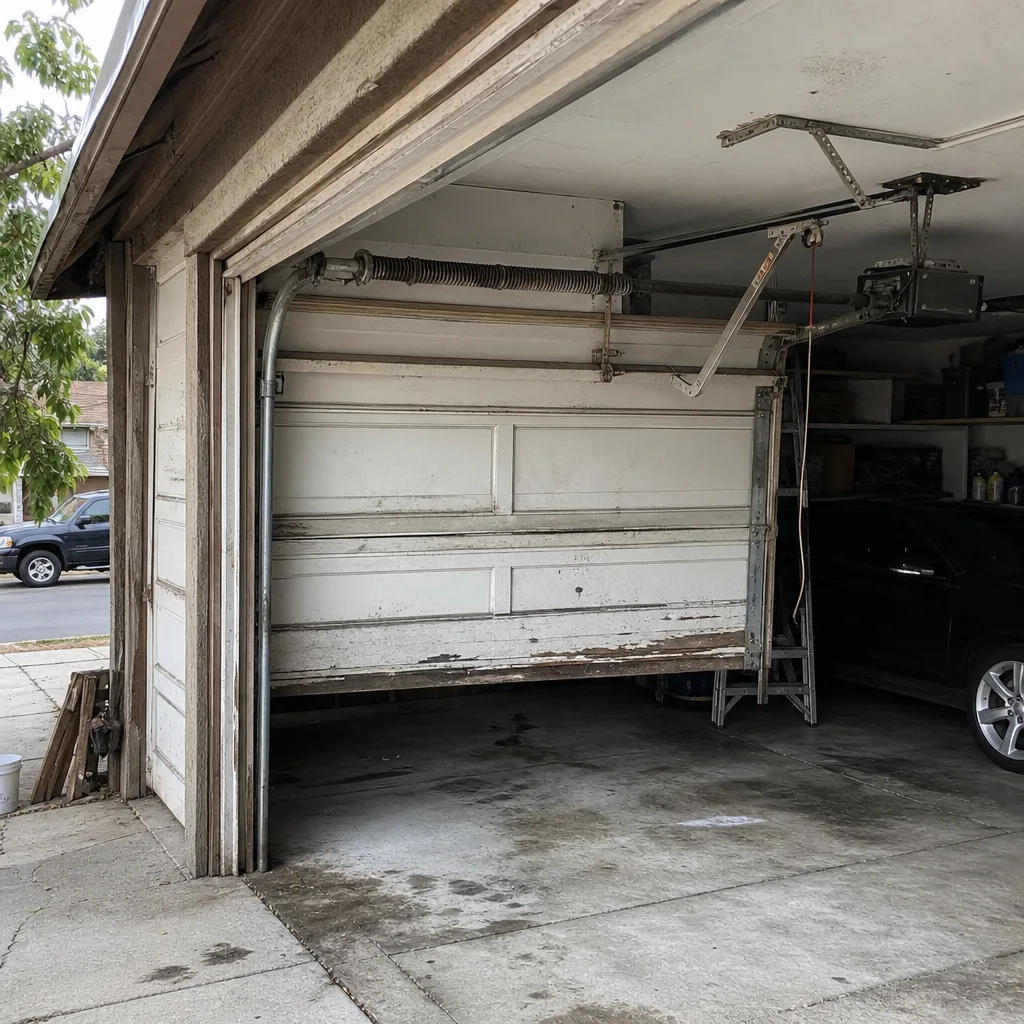 Before
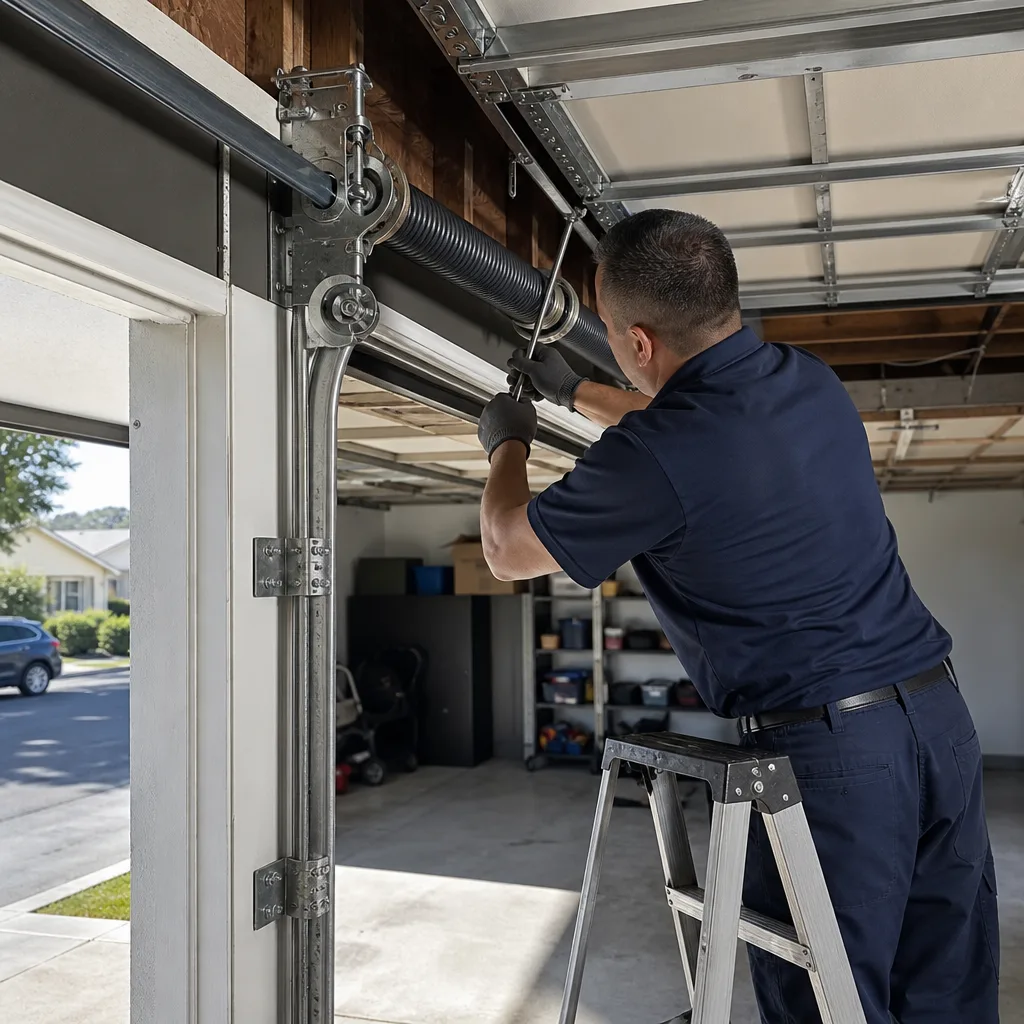 After
After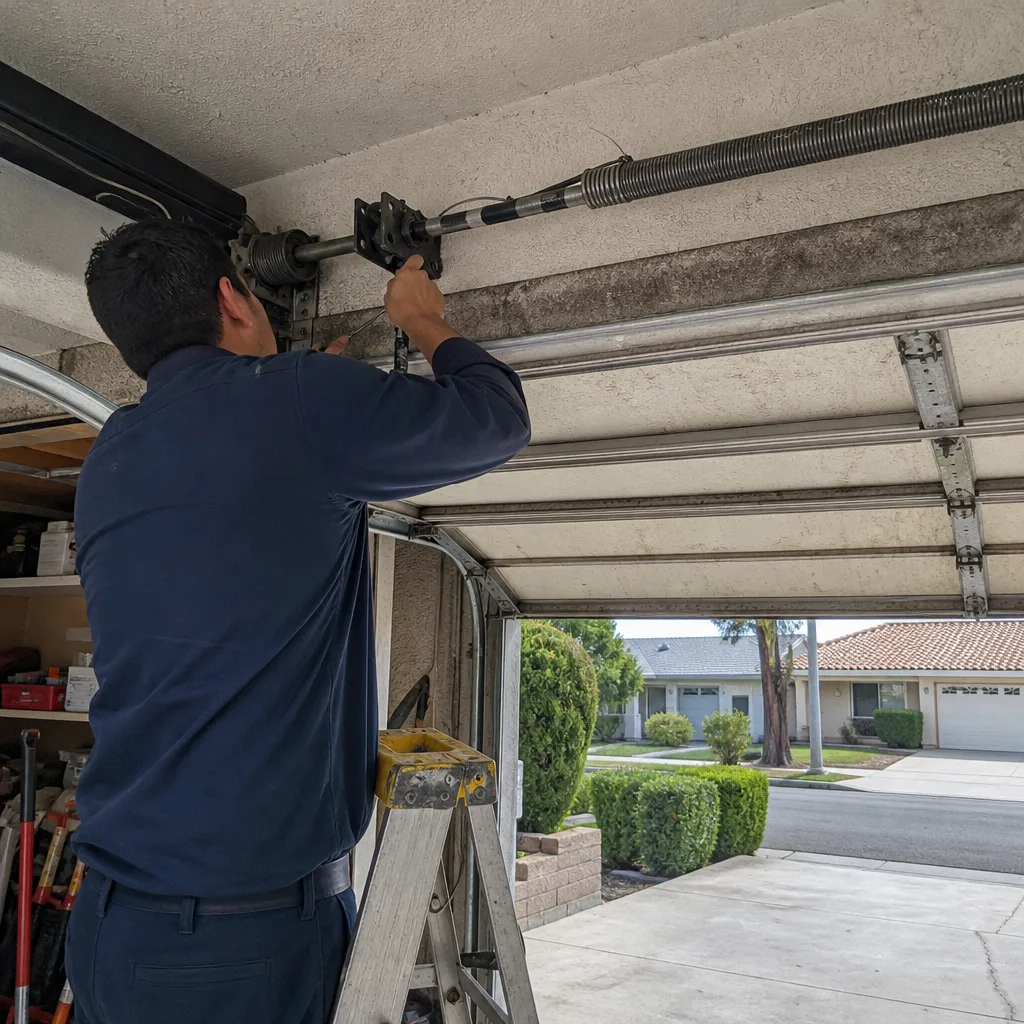 Before
 After
After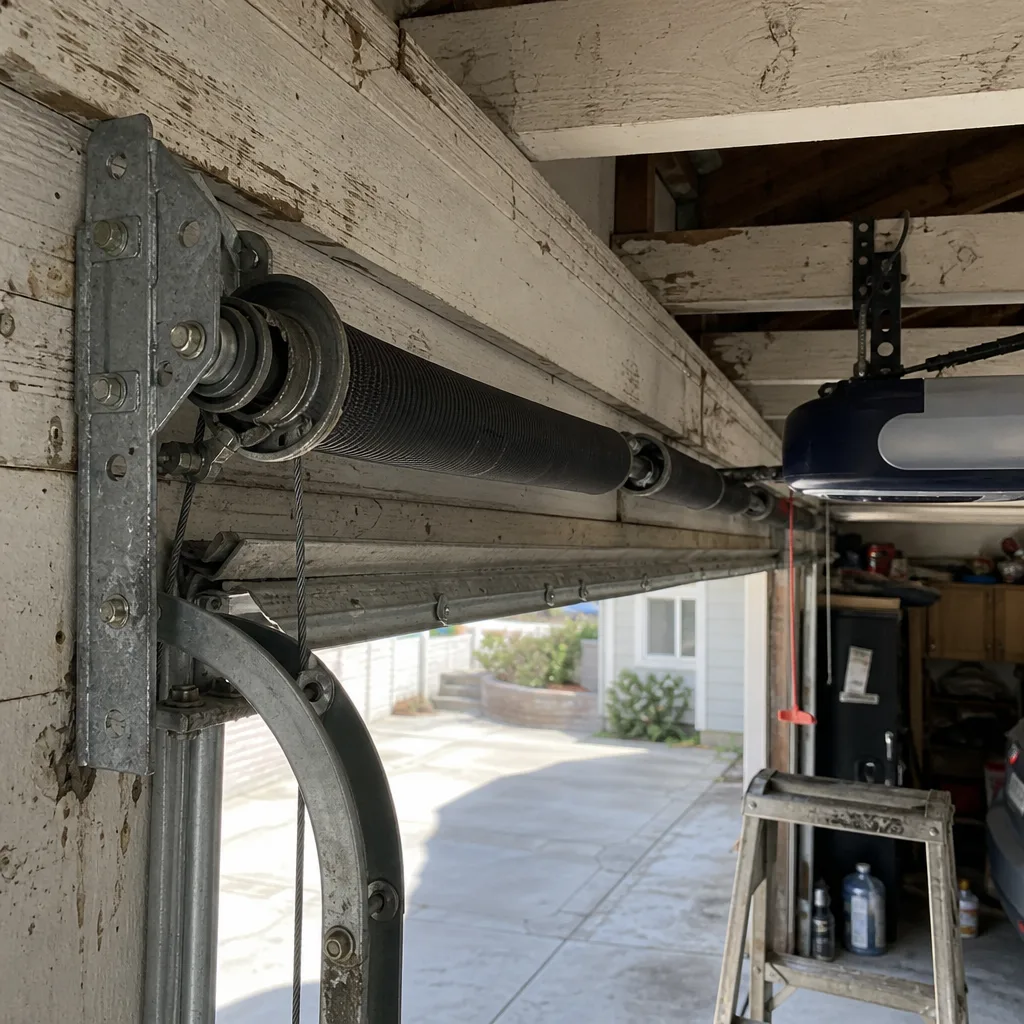 Before
 After
After