
 LiftMaster openers
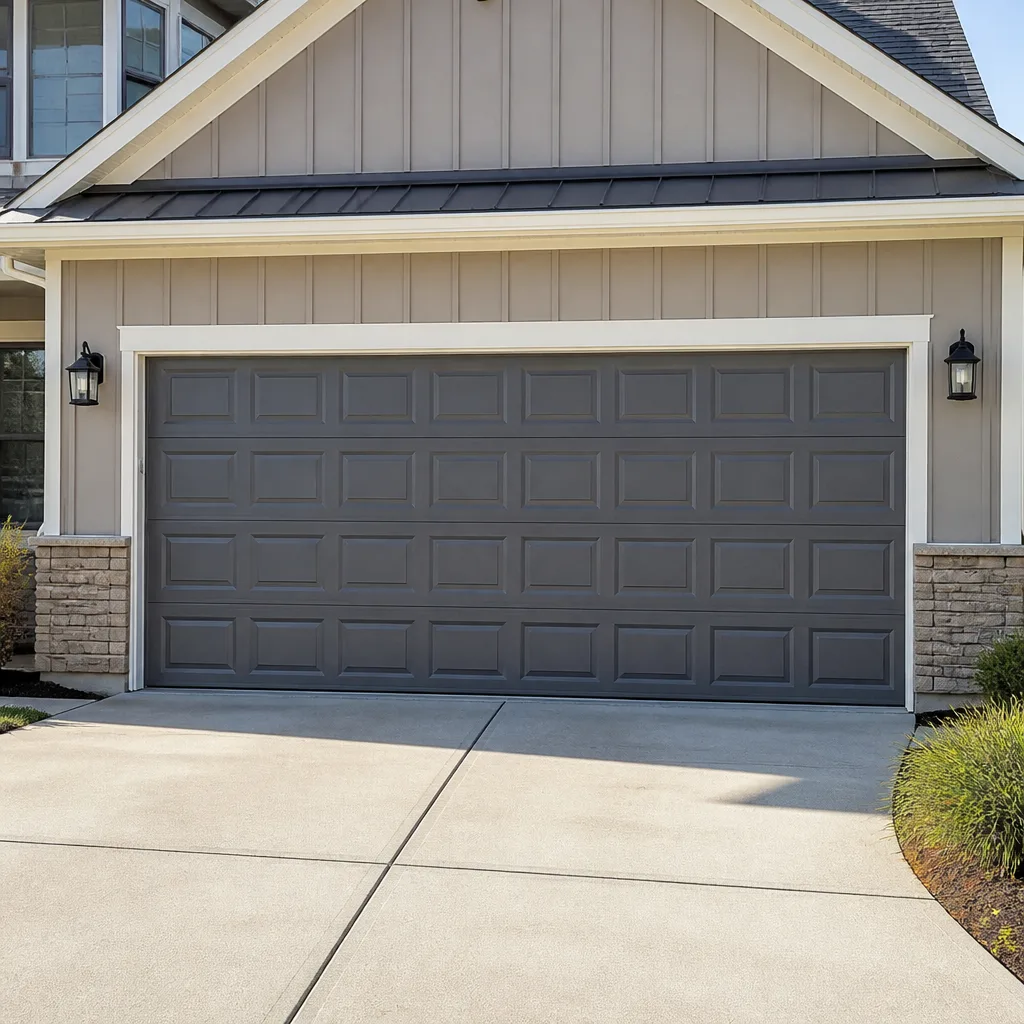 Raised-panel steel
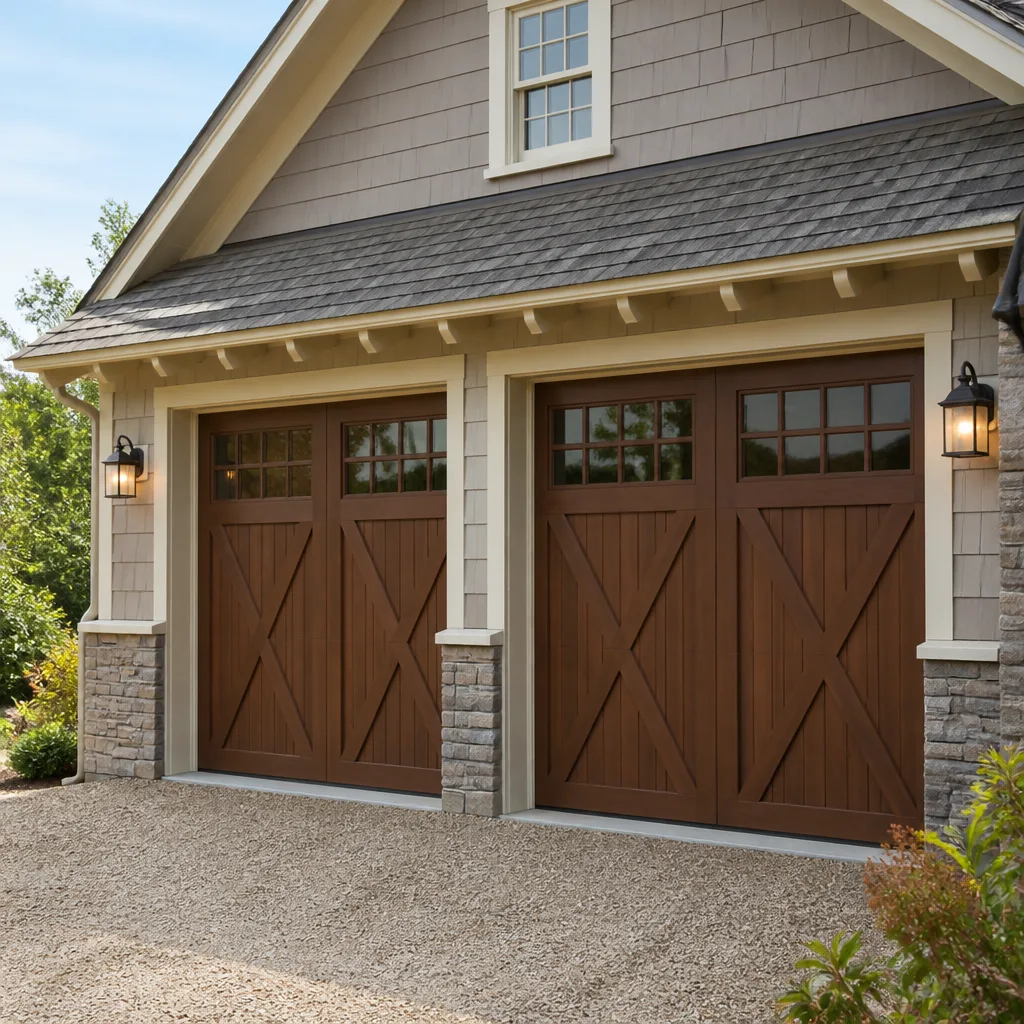 Carriage house
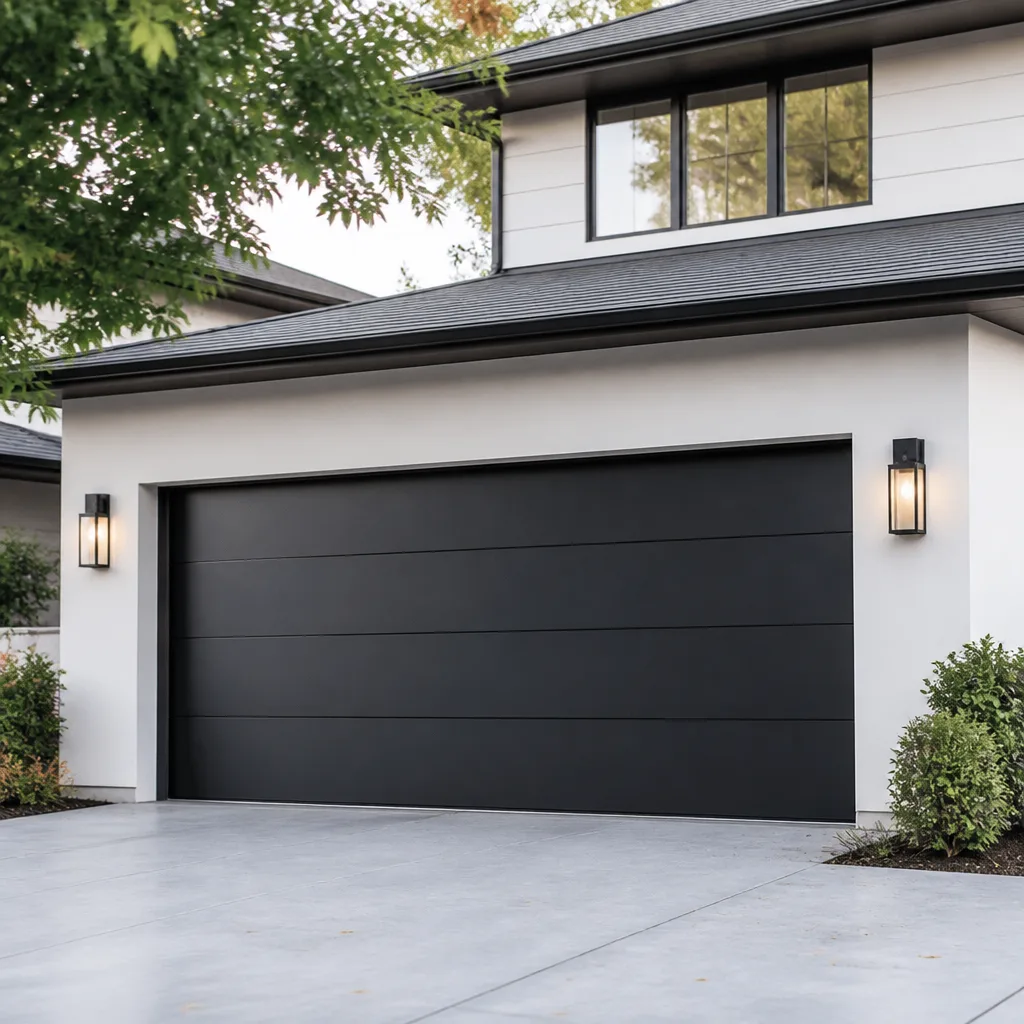 Modern flush
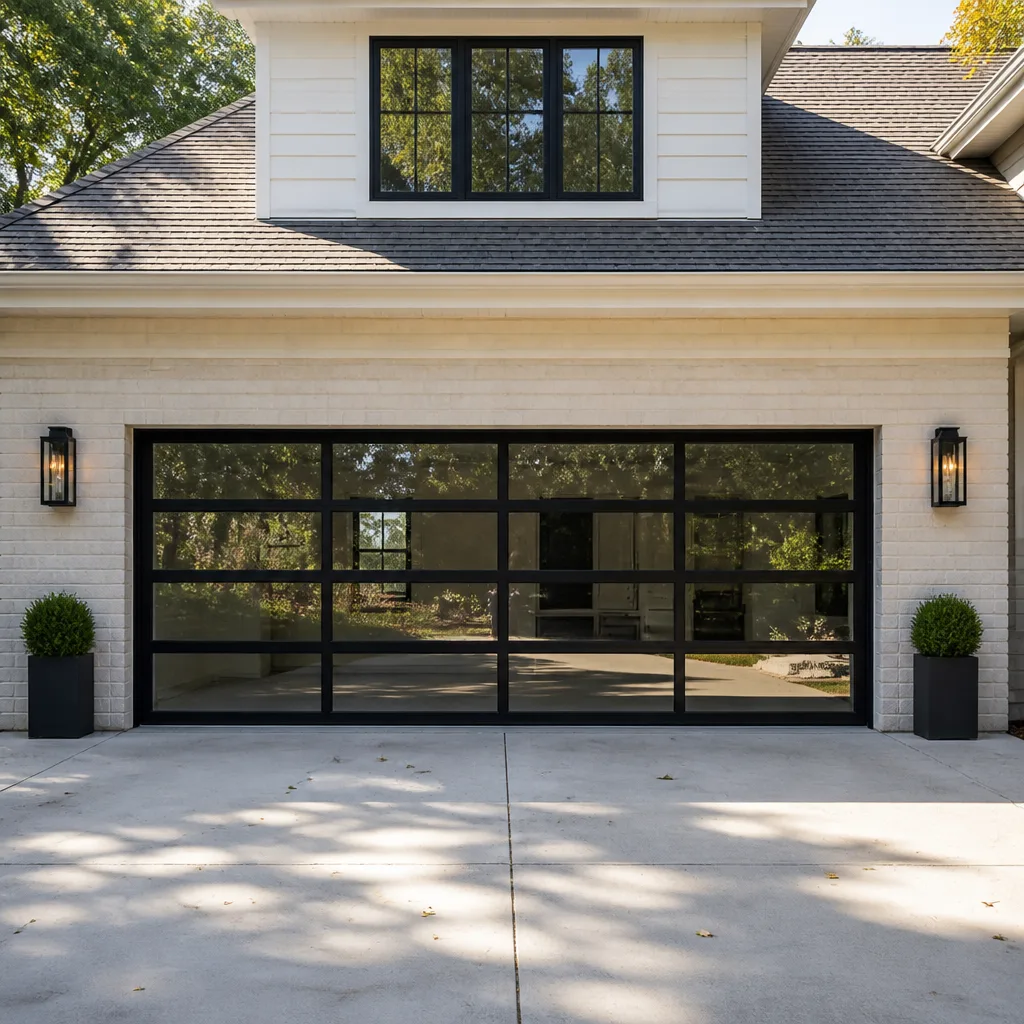 Full-view glass
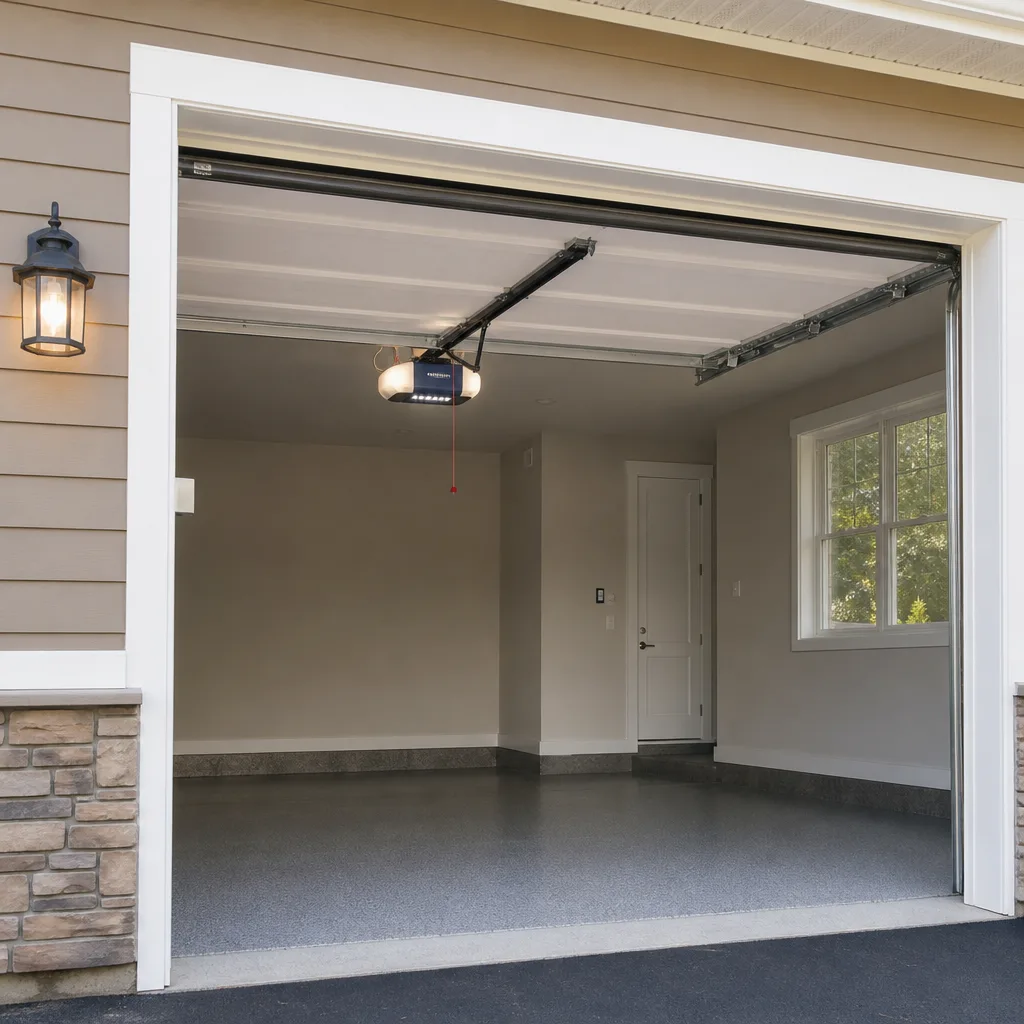 Chamberlain openers
Full 25-point door and opener safety check with every visit - springs, cables, rollers, tracks, and your LiftMaster or Chamberlain opener included
You get a price before we start. It does not change when the truck arrives.
Get your free estimateLiftMaster Roller Replacement: The Los Angeles Owner’s Guide
We stock and install LiftMaster-compatible garage door rollers throughout Los Angeles, with most roller replacement jobs running $130 – $260, parts and labor included. Same-day service is usually available when you call before midday. Most homeowners discover the problem when the door starts sounding like a shopping cart with a bad wheel, or when it shudders on the way up and leaves black dust on the track.
A garage door roller is the small wheel that rides inside the vertical track on each side of the door. Your LiftMaster opener doesn’t move the door directly; it moves a trolley that pulls the door, and the door glides on between 8 and 12 rollers depending on whether it’s a single or double door. When those rollers wear out, the opener works harder, the door gets loud, and eventually a roller can pop out of the track entirely. Marcus Ellery has seen enough failed rollers in the San Fernando Valley to know the pattern: the door still opens, so people wait, and by the time they call, the shaft has started chewing into the hinge.
Which LiftMaster Models This Applies To
Roller replacement isn’t tied to the opener model; it’s tied to the door and the hinge hardware. LiftMaster makes openers, but the rollers that carry your door are manufactured by door companies and hinge hardware suppliers. That said, if you have a LiftMaster opener paired with a LiftMaster-branded door or a common residential door from Clopay, Amarr, or Wayne Dalton, the roller specs will follow one of two standards: a 2-inch roller with a 4-inch stem for standard residential doors, or a 3-inch roller with a 7-inch stem for heavier insulated doors and some carriage-house styles.
Here’s the compatibility gotcha most people don’t know: the stem length matters more than the wheel diameter. If you buy a roller with a stem that’s too short, the wheel sits too close to the hinge and the door binds against the track. Too long, and the roller wobbles and chews up the hinge barrel. Older LiftMaster doors from the late 1990s and early 2000s sometimes use nylon rollers with pressed-in steel bearings, while current models typically spec nylon wheels over sealed ball bearings, which run quieter and last longer. If you’re unsure what you have, look at the hinge where the roller stem passes through; the stamping on the hinge usually gives you a model reference. Or take a photo and call us: (213) 996-0290.
On the OEM-versus-aftermarket question: LiftMaster doesn’t manufacture rollers as a catalog item, so “OEM” usually means the roller that came on the door from the factory. For most Los Angeles homes, that’s a Chambrelain, Ideal, or Clopay factory roller, and a quality aftermarket equivalent with sealed bearings will match or outperform it. We carry both steel-bearing and nylon-bearing rollers in the common stem lengths, plus heavier gauge options for carriage doors. We’ll match what your door was engineered for, not sell you an upgrade you don’t need.
Styles & brands we work with
Signs Your LiftMaster Roller Replacement Is Failing
- Grinding or squealing from the track area. The bearing inside the roller has dried out or filled with dust. In Los Angeles, dry inland air accelerates bearing wear; coastal homes get it slower but still get it. The sound is the steel shaft rubbing the nylon wheel without lubrication.
- Door shudders or hesitates partway up. One or more rollers have developed flat spots. Instead of rolling, the flat edge slides along the track, which creates that stutter-step movement and puts uneven load on the opener trolley.
- Black dust or powder on the inside of the track. This is nylon wheel material grinding away. It’s a sure sign the roller is no longer spinning freely. Left alone, the wheel eventually wears down to the hub and the metal stem starts riding on the track.
- Visible tilt or gap between the door and the track on one side. A roller stem has pulled partially out of the hinge barrel, or the wheel has separated from the stem. This is a developing safety hazard: the door can drop or jam without warning.
- The door bangs in the track when you open or close it. Worn rollers allow lateral movement, so the door slaps from side to side as it travels. In older Los Angeles garages with original wood doors, this is often accompanied by cracks forming around the hinge mounting points.
See the difference
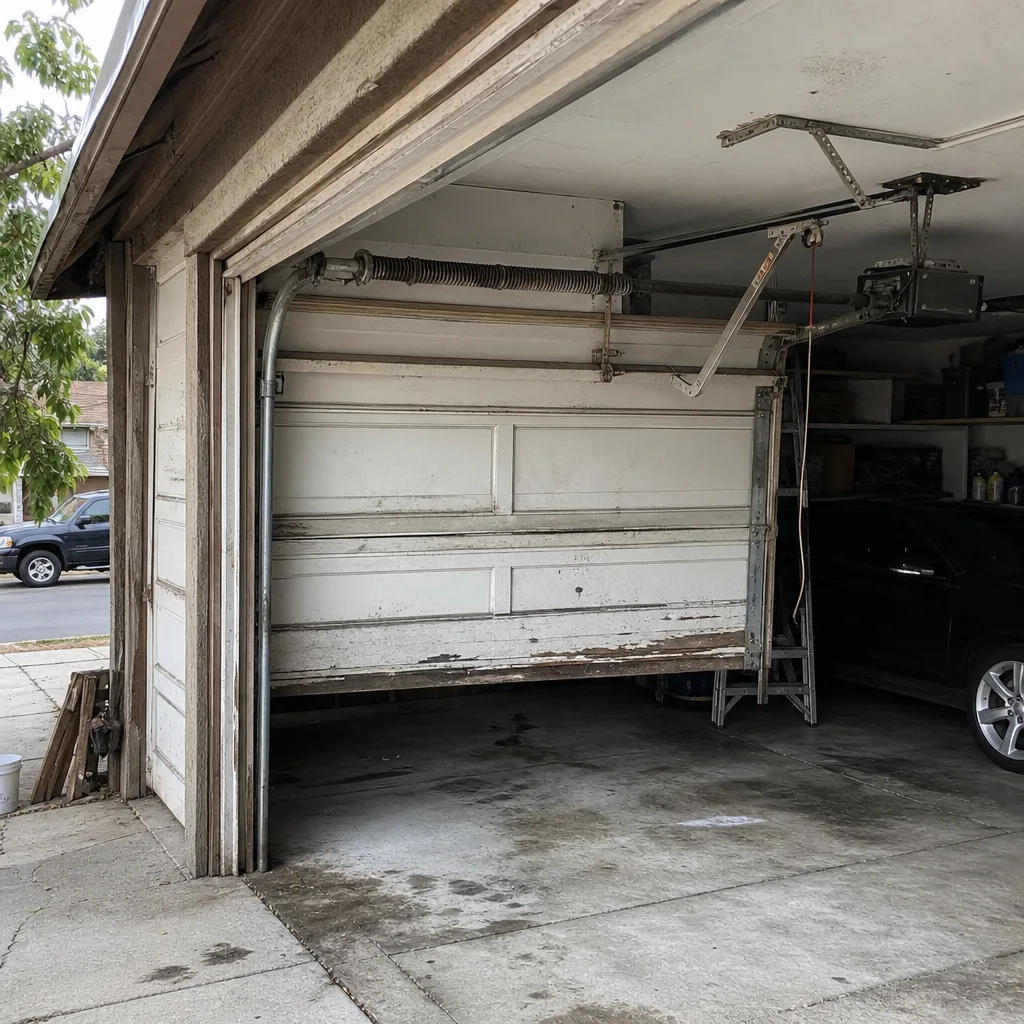 Before
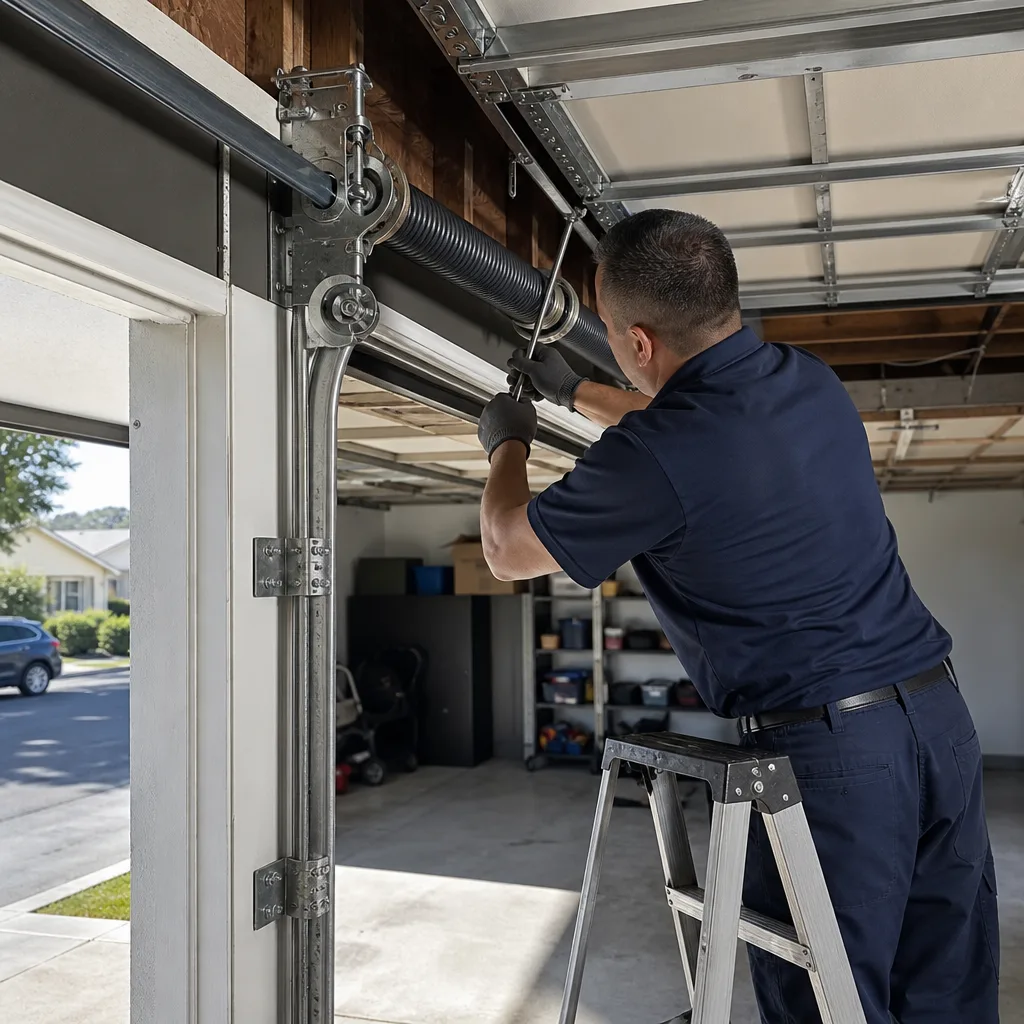 After
After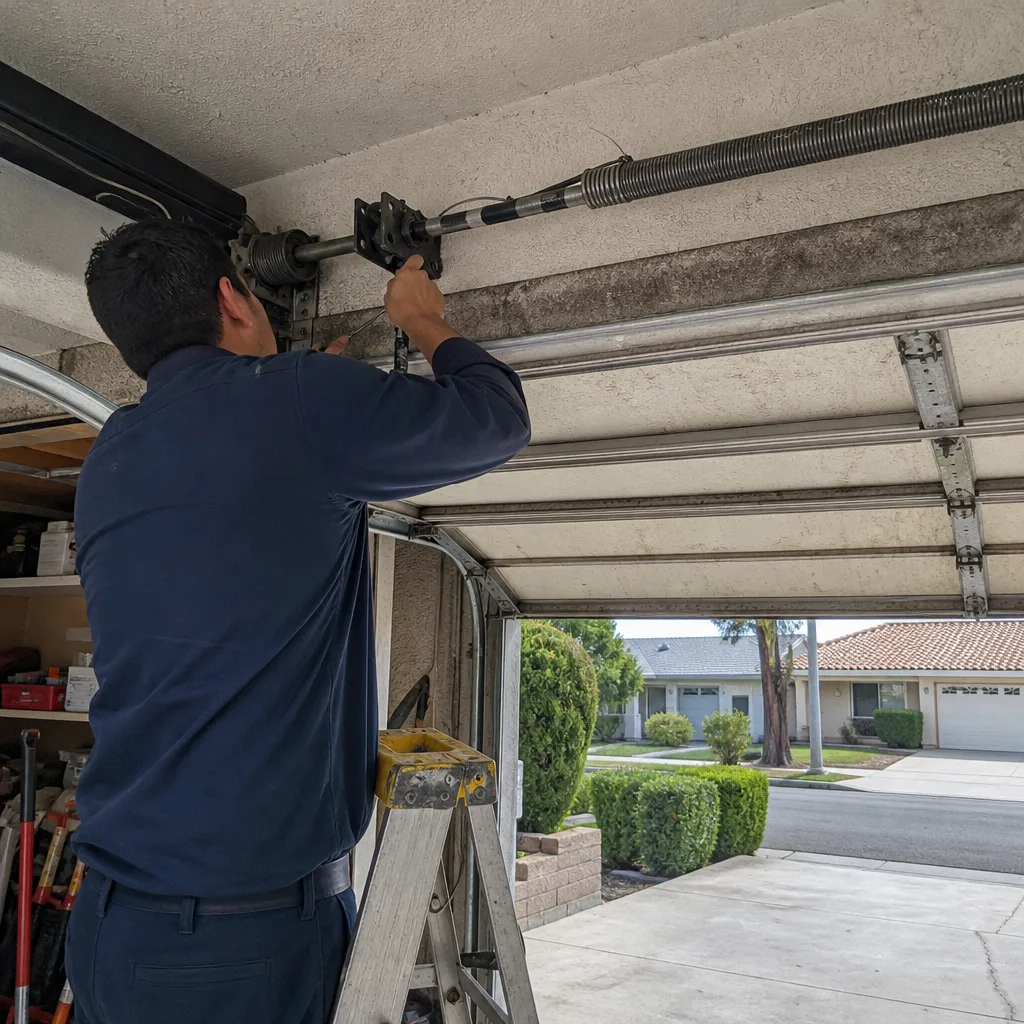 Before
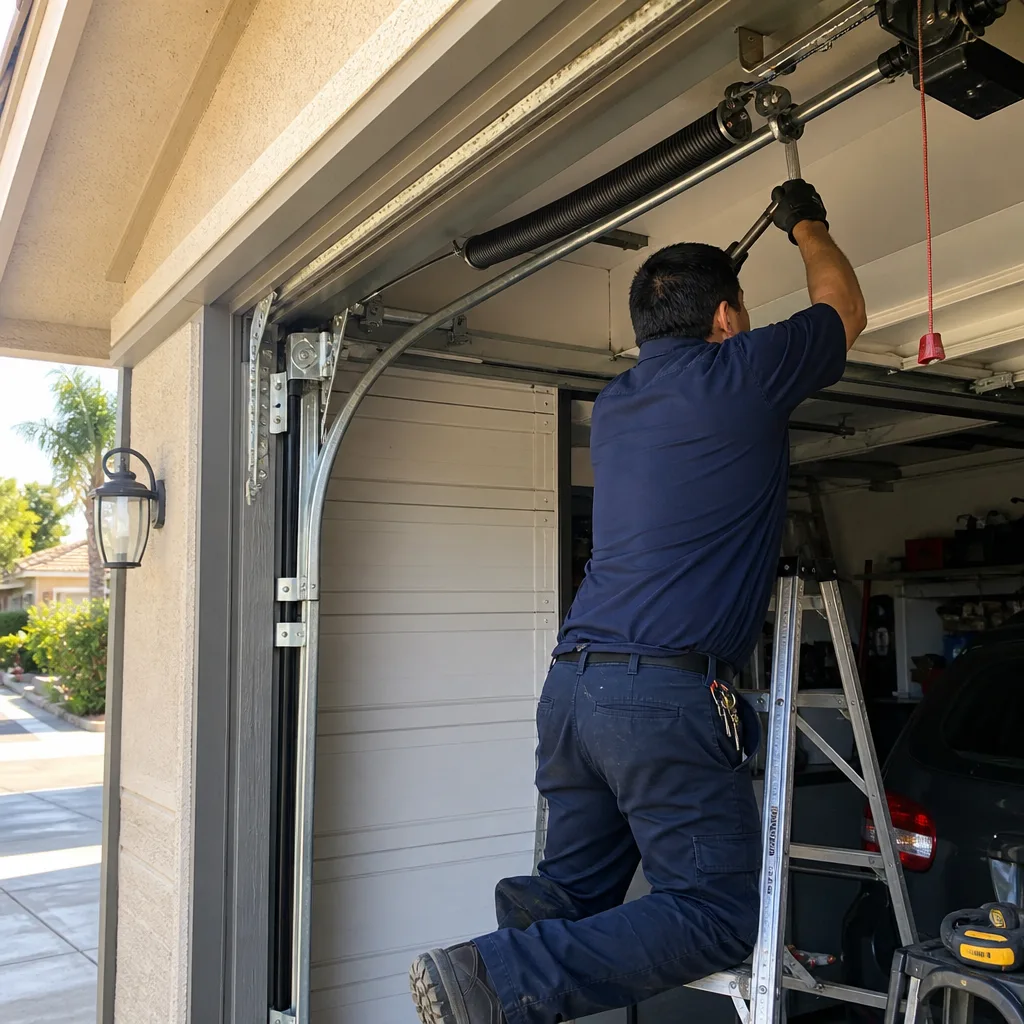 After
After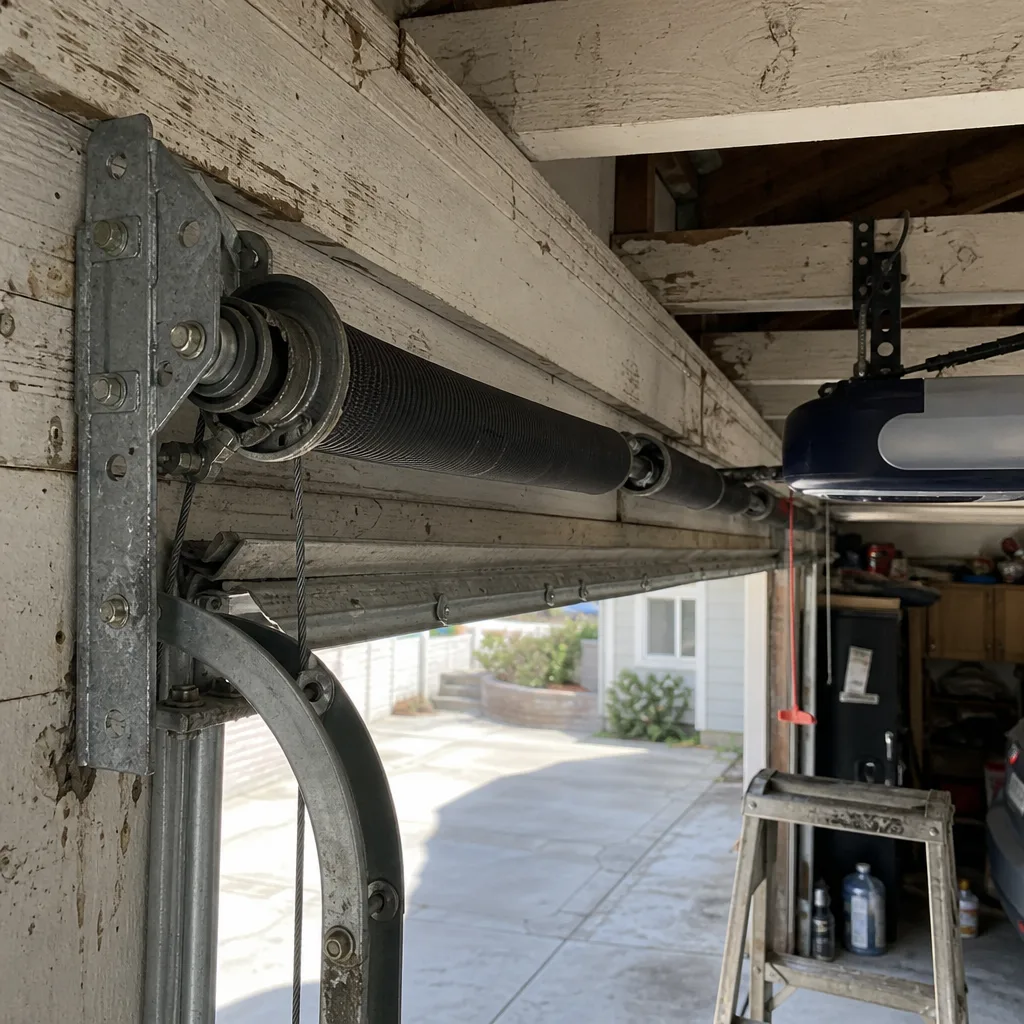 Before
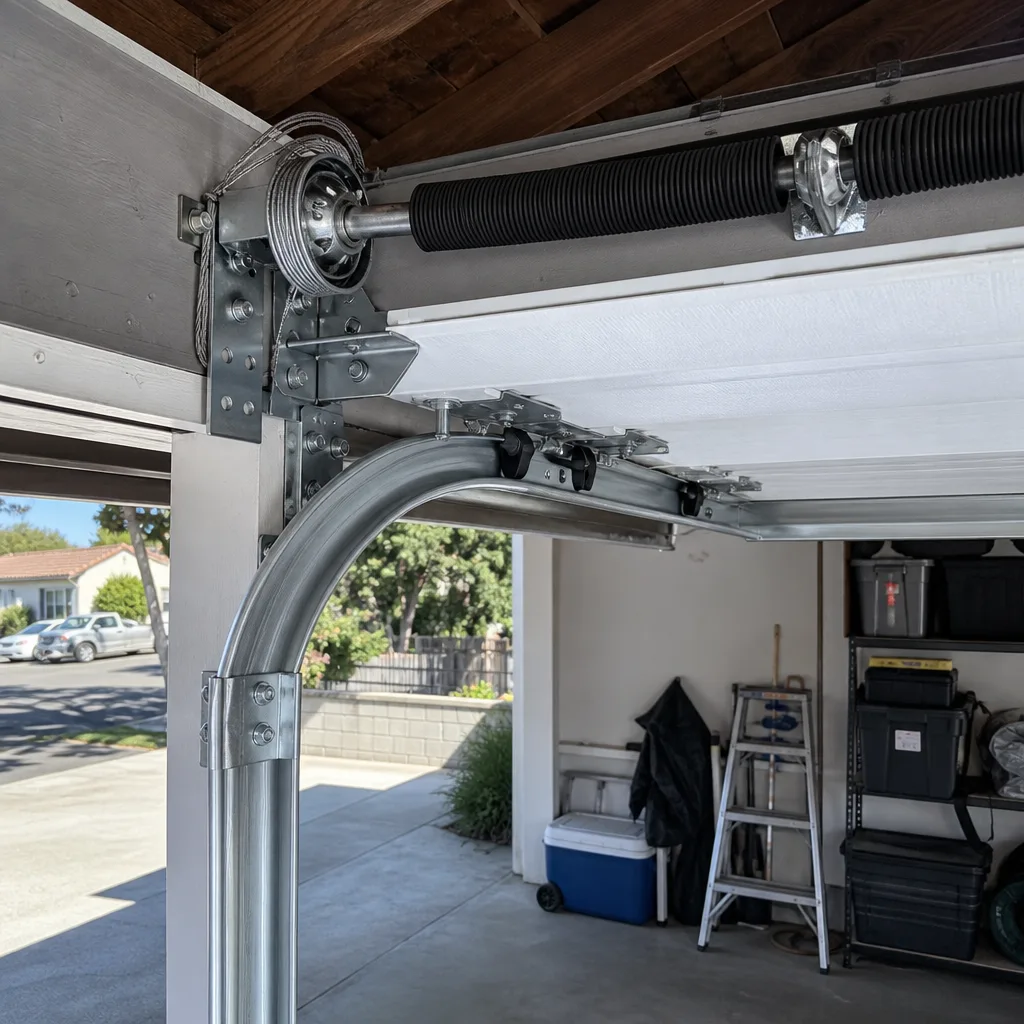 After
AfterReplacement Cost & What’s Included
In Los Angeles, roller replacement for a typical single door with 10 rollers falls between $130 and $260, parts and labor included, with the price quoted in writing before any work starts. Double doors or doors with 12 rollers land at the higher end of that range. Heavy-duty rollers for carriage house doors or doors over 16 feet wide add a few dollars per roller, and if we find worn hinges or a bent track section during the job, we’ll show you the issue and quote that repair separately, before doing anything.
The price includes all replacement rollers, pulling the old hinge pins, installing the new rollers, lubricating the track and hinges, and testing the door through a full cycle under opener power. The 365-Day Done Right Promise covers the work: if any roller we install fails within a year, we come back and replace it at no charge. That commitment is in writing on every invoice, not just said at the door.
You’ll know the number before we touch the door. No price changes at the driveway, no surprise line items. The number we quote is the number you pay.
DIY or Call Us?
Let’s be straight about the risk here. The bottom roller brackets on a sectional garage door are attached to the cables that carry the counterweight tension from the springs. If you remove the bottom roller or the bracket without releasing that tension correctly, the cable can whip and the bracket can be driven into the wall or into you. We don’t recommend DIY roller replacement on the bottom two brackets of any door, and we won’t give step-by-step instructions for it here. The safe homeowner maintenance move is to inspect the track for dust buildup and listen to the door while it operates; the safe repair move is to call a professional.
Top rollers and center hinge rollers are less dangerous, but the job still requires unbolting hinges under spring tension and keeping the door properly aligned while you work. If you strip a hinge bolt or bend the track, you’ve turned a $150 repair into a $400 one. We do this work every day, we carry all the roller sizes on the truck, and a single visit usually takes about an hour. Call (213) 996-0290 and tell us what the door is doing. We’ll tell you what it needs.
FAQs
In Los Angeles, standard nylon rollers with steel bearings typically last 7 to 10 years with normal use. Homes in the inland valleys with high summer temperatures and dry air tend to see roller bearings fail on the earlier side of that range. If you open and close the door more than four times a day, plan on replacement every 5 to 7 years. Call (213) 996-0290 and we’ll inspect the rollers during a service visit and tell you exactly where they stand.
Generally no. Once the bearing fails or the nylon wheel wears flat, the roller is done; there’s no practical rebuild for a sealed residential roller. The repair is replacement, and it’s a straightforward job that takes about an hour for a typical door. We carry the common roller sizes on the truck, so there’s no second trip. Call (213) 996-0290 for a quote on your specific door.
For a standard single or double garage door, we’re usually done in 60 to 90 minutes. That includes removing the old hinge pins, installing all new rollers, lubricating the track and hinges, and testing the full open-close cycle under your LiftMaster opener. We’ll tell you the exact arrival window when you book, and the technician shows up in that window, in uniform, with all the parts on the truck.
We stock the common residential roller sizes, and they’re LiftMaster-compatible, including 2-inch and 3-inch wheel diameters with standard stem lengths. We also carry parts for Chamberlain and Genie systems, and if your door has an unusual roller size, we’ll source it and schedule the install at no extra charge beyond the part cost. Call (213) 996-0290 and describe your door; we’ll confirm we have what it needs before we head out.
Written by Marcus Ellery, Owner & Lead Technician, Bramwell Garage Doors Los Angeles at Bramwell Garage Doors Los Angeles, serving Los Angeles and nearby areas.