
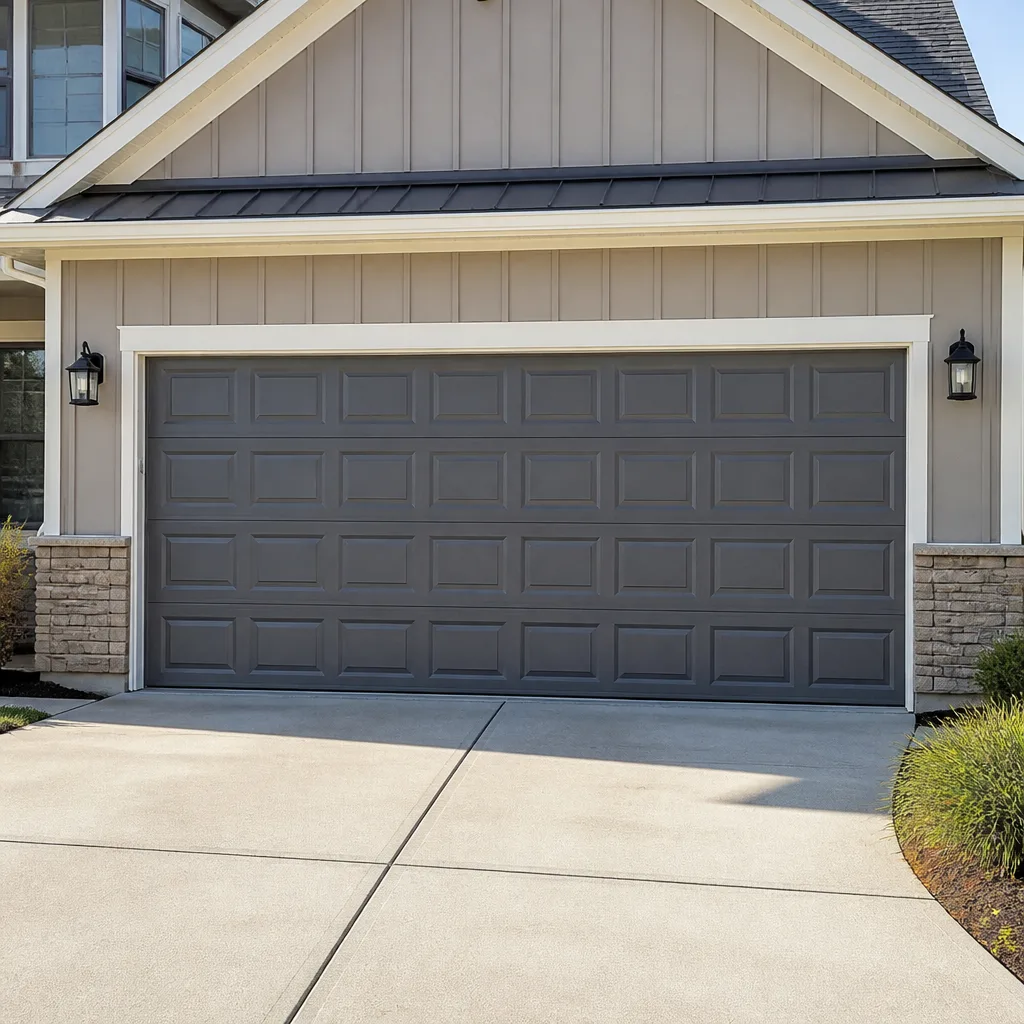
 Raised-panel steel
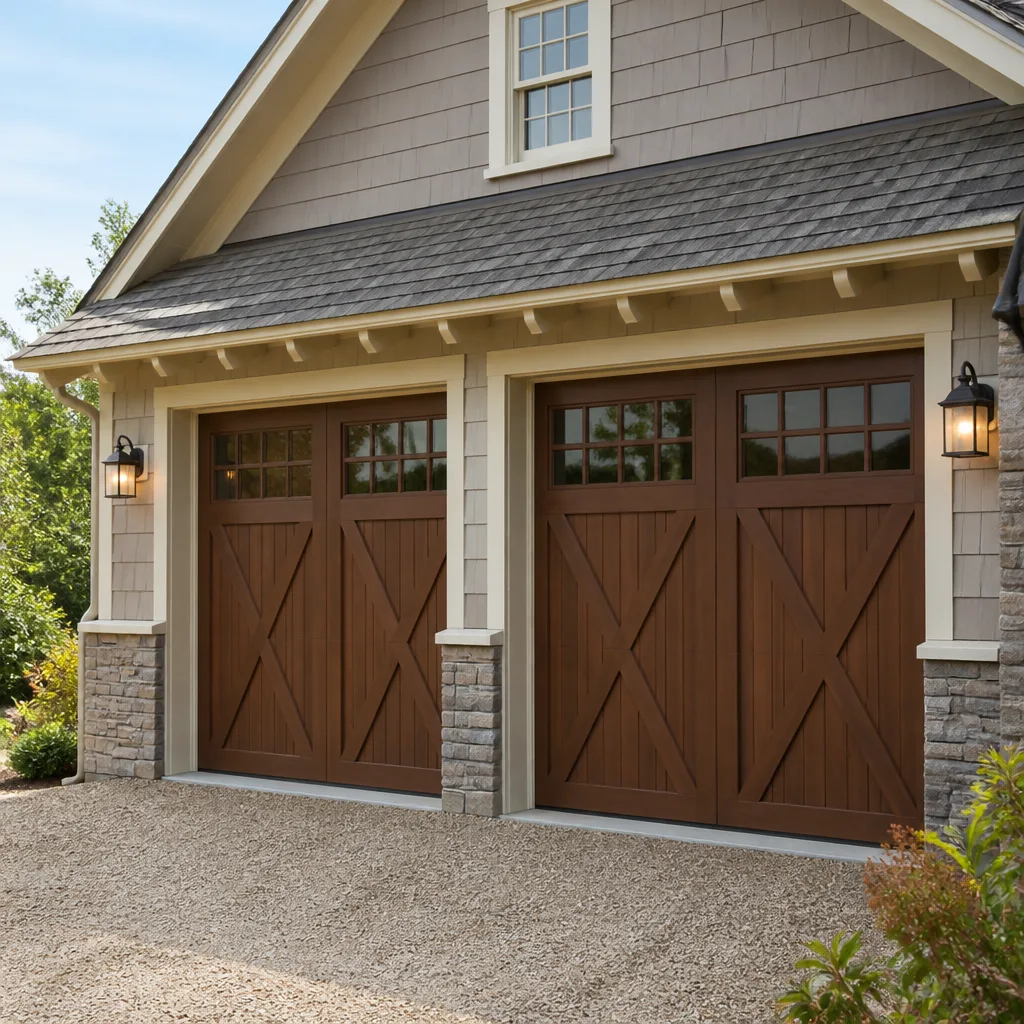 Carriage house
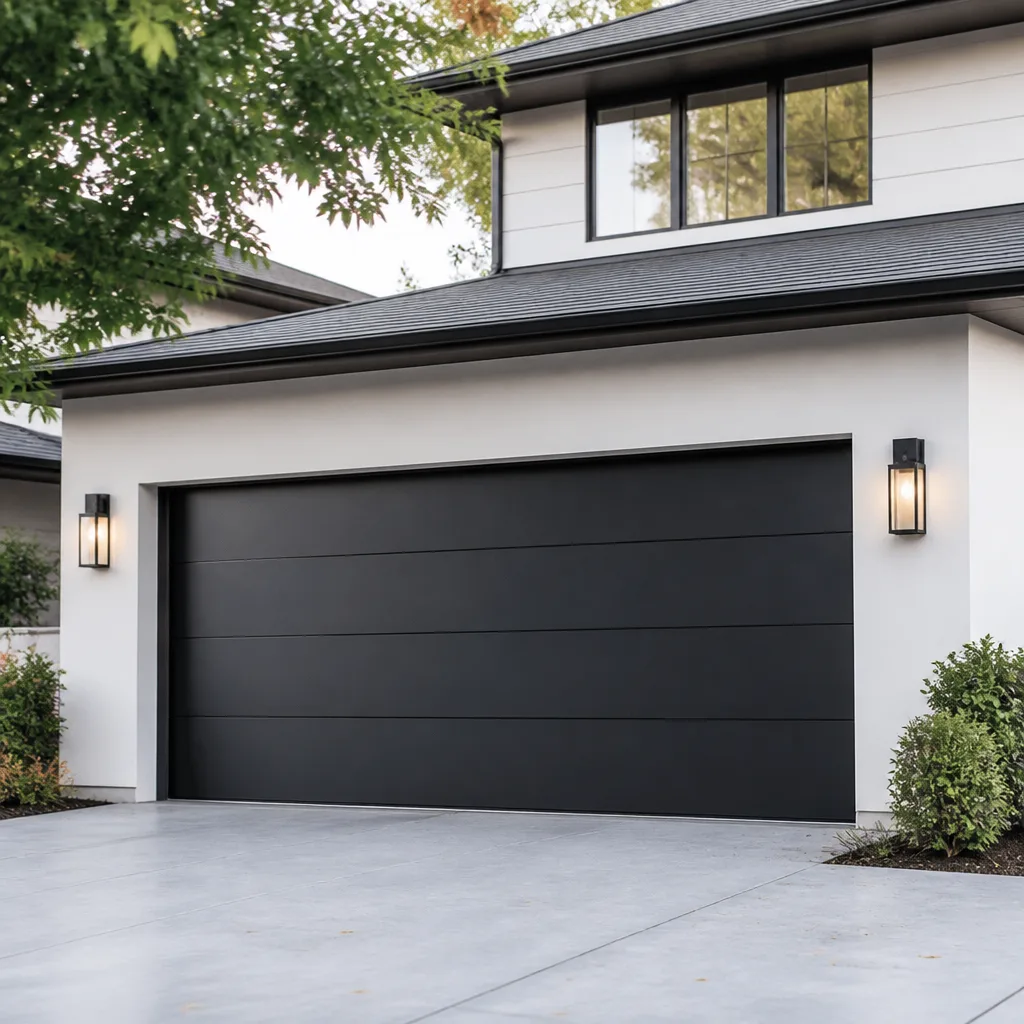 Modern flush
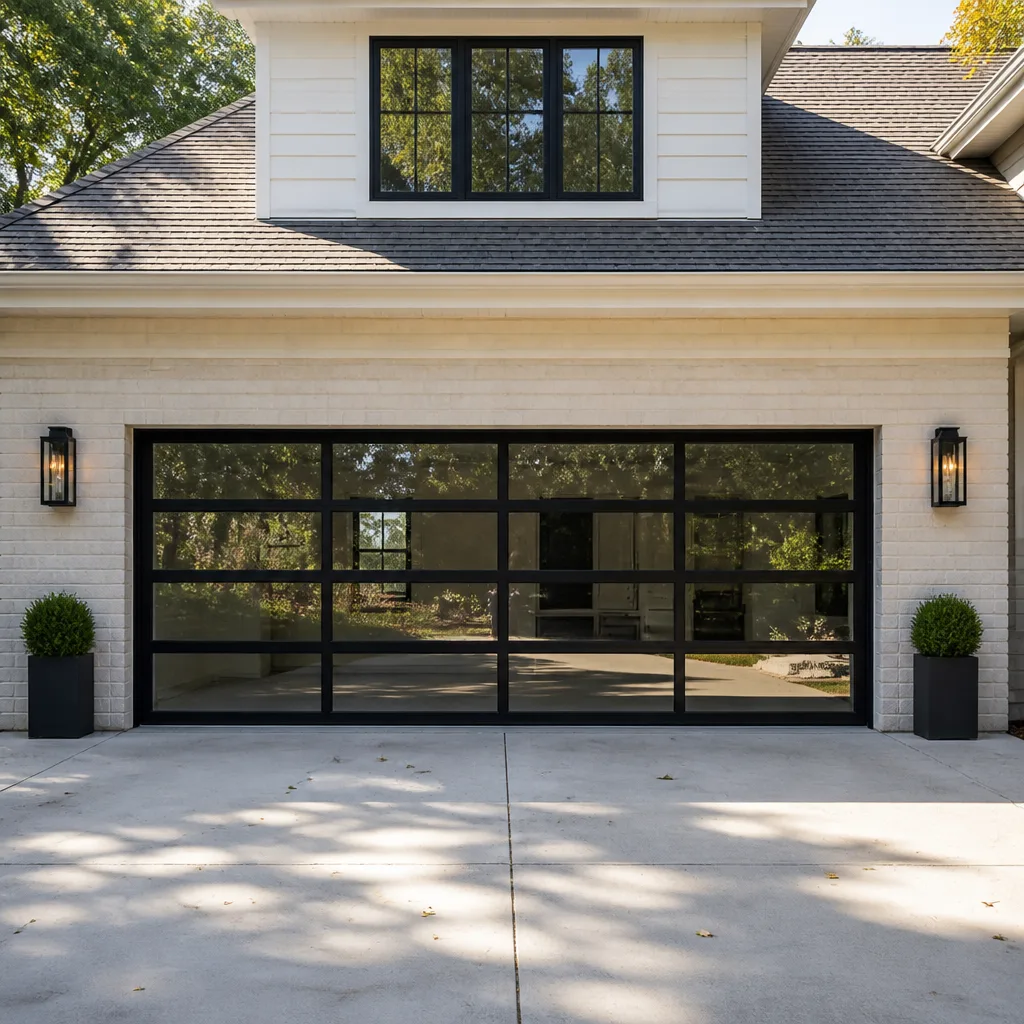 Full-view glass
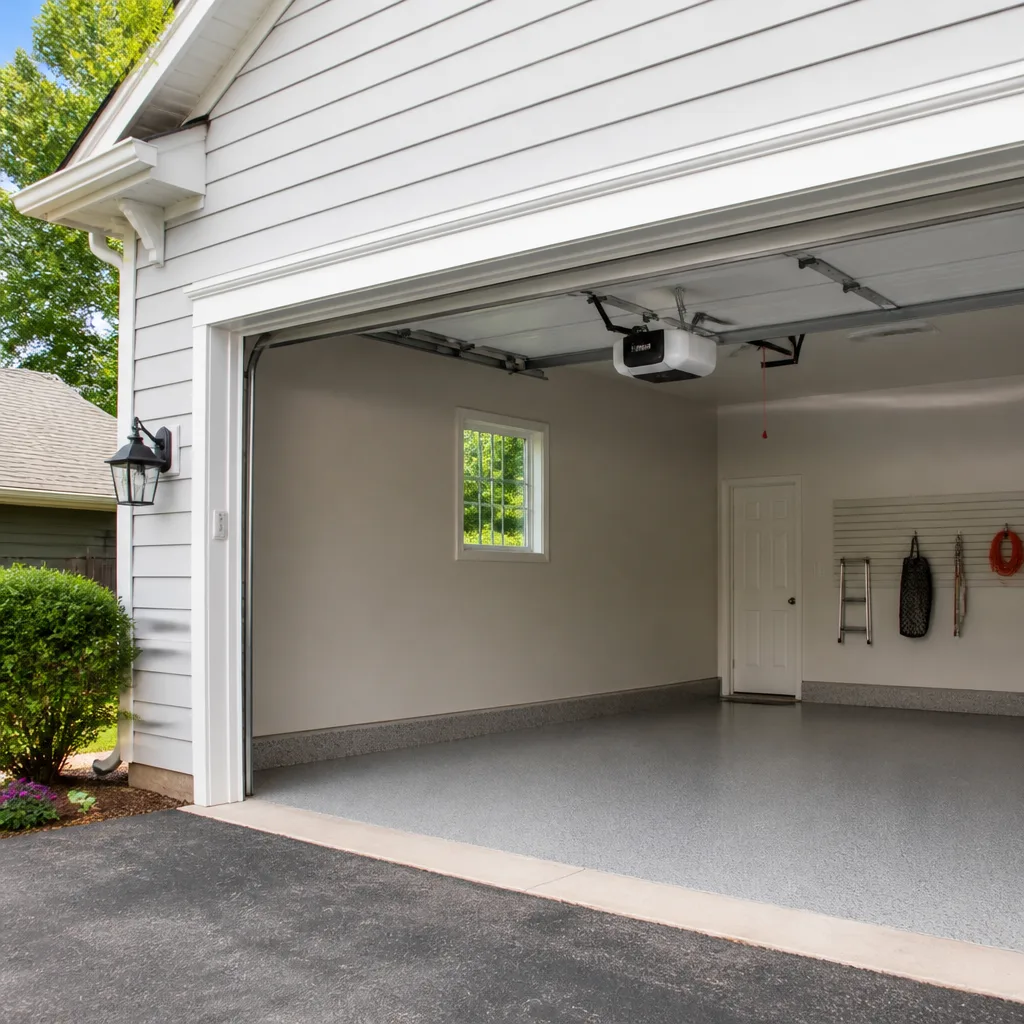 LiftMaster openers
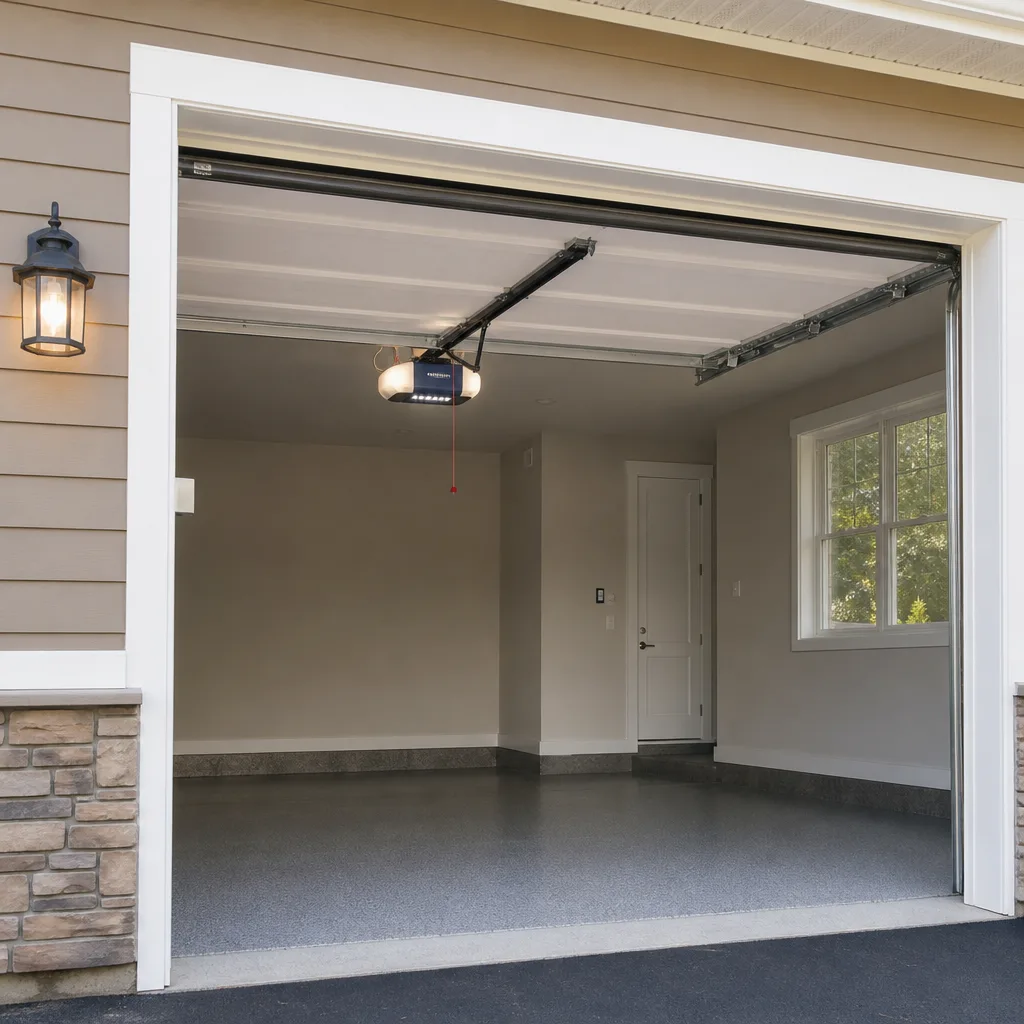 Chamberlain openers
Full 25-point door and opener safety check with every visit - springs, cables, rollers, tracks, and your LiftMaster or Chamberlain opener included
You get a price before we start. It does not change when the truck arrives.
Get your free estimateCraftsman Torsion Spring Replacement: The Los Angeles Owner’s Guide
A Craftsman torsion spring replacement in Los Angeles typically runs $210 to $400 installed, parts and labor included. We stock Craftsman-compatible torsion springs on our trucks and can usually complete the swap the same day you call. Most homeowners discover the spring has failed the hard way: a loud bang from the garage that sounds like a firecracker, followed by a door that won’t budge no matter how many times you press the opener button.
That bang is the sound of a torsion spring, the heavy coil mounted on a metal rod above your door, snapping under tension. It’s the single most common garage door failure we see across Los Angeles, from Reseda to Silver Lake to Torrance, and it almost always happens without any warning. One day the door lifts fine. The next, it weighs 150 pounds and the opener motor is straining against dead weight.
Key Takeaways
- Craftsman torsion springs fail from metal fatigue, typically after 7 to 10 years or roughly 10,000 open-and-close cycles.
- One spring almost always breaks first; we check both and recommend replacing them together so the door opens evenly.
- Installed replacement runs $210 to $400 in Los Angeles, including the spring, labor, and a written guarantee.
- This is not a safe DIY job. Torsion springs store enormous energy and need specific tools and training to handle.
- We’re an independent service company, not affiliated with Craftsman, but we stock compatible springs and service all their models.
Which Craftsman Models This Applies To
If your Craftsman garage door opener was installed or sold with the door itself, chances are the torsion spring above it is a standard residential coil spring sized to the door’s weight and height. Craftsman doesn’t manufacture their own springs; their doors, like most residential doors in America, use torsion hardware that follows universal sizing standards. That means the spring on a Craftsman-labeled door from the 1990s through today can be matched by weight capacity, wire gauge, inside diameter, and wind direction.
Here’s the compatibility gotcha we run into constantly in Los Angeles: Craftsman doors come in both standard lift and low-headroom configurations, and the spring setup is different for each. Low-headroom doors, common in older Los Angeles garages with low ceilings, use smaller drums and sometimes a different spring length. You can’t always tell which one you have just by looking. We measure the spring’s inside diameter (usually 1-3/4″ or 2″ on residential doors), count the wire gauge with a caliper, and check the wind direction before we ever put a new one on.
Most Craftsman-compatible torsion springs we install are oil-tempered steel with a 10,000-cycle rating, which is standard for residential use. There are higher-cycle options, up to 25,000 or 30,000 cycles, that use a heavier wire gauge and cost a bit more. For most homeowners in Los Angeles, the standard spring is perfectly adequate: 10,000 cycles at four opens per day is close to seven years of use. If you use your garage as a workshop and open it six or eight times a day, we’ll recommend stepping up to a higher-cycle spring so you’re not doing this again in four years. Marcus Ellery, our owner and lead technician, is direct about the trade-off: “Tell me what it’s doing, and I’ll tell you what it needs.”
One more thing worth knowing: we stock springs compatible with Craftsman, LiftMaster, Chamberlain, and Genie hardware, plus quality aftermarket equivalents that meet or exceed the OEM spec. For Craftsman specifically, we’ll match the wire gauge and inside diameter exactly, because that’s what keeps the door balanced and your opener motor from burning out early.
Styles & brands we work with
Signs Your Craftsman Torsion Spring Replacement Is Failing
Sometimes you get lucky and catch a spring before it snaps. Here are the symptoms we hear about most from Los Angeles homeowners, and what’s actually happening behind each one:
- A visible gap in the coil. Look at the spring above the closed door. If you see a clean break or a two-inch separation in the coil, the spring is done. We don’t call this “failing”; it’s failed.
- The door feels heavy when you pull the emergency release. When the spring is working, a 150-pound door should lift with two fingers on the handle. If you’re straining to pull it up on foot, the spring is carrying little to no load and you should stop using the door.
- The opener motor labors, grinds, or trips its thermal breaker. That’s the motor working overtime to compensate for a spring that’s lost its tension. Running it this way shortens the opener’s life; the motor isn’t built to lift the full door weight.
- One side of the door hangs lower than the other. Torsion springs work as a pair. If one side sags, one spring is doing more work than the other, or one of them isn’t engaging the shaft correctly.
- The door reverses on its way down. This is almost always a spring or cable issue, not a sensor issue. When the spring is weak, the door drops faster than the opener expects, and the motor thinks it hit something.
If you’re seeing any of these, the safest move is to call us at (213) 996-0290 and let a trained technician look at it. A failing spring can snap at any moment, and when it goes, it can damage the door panels, the cables, and anything parked underneath.
See the difference
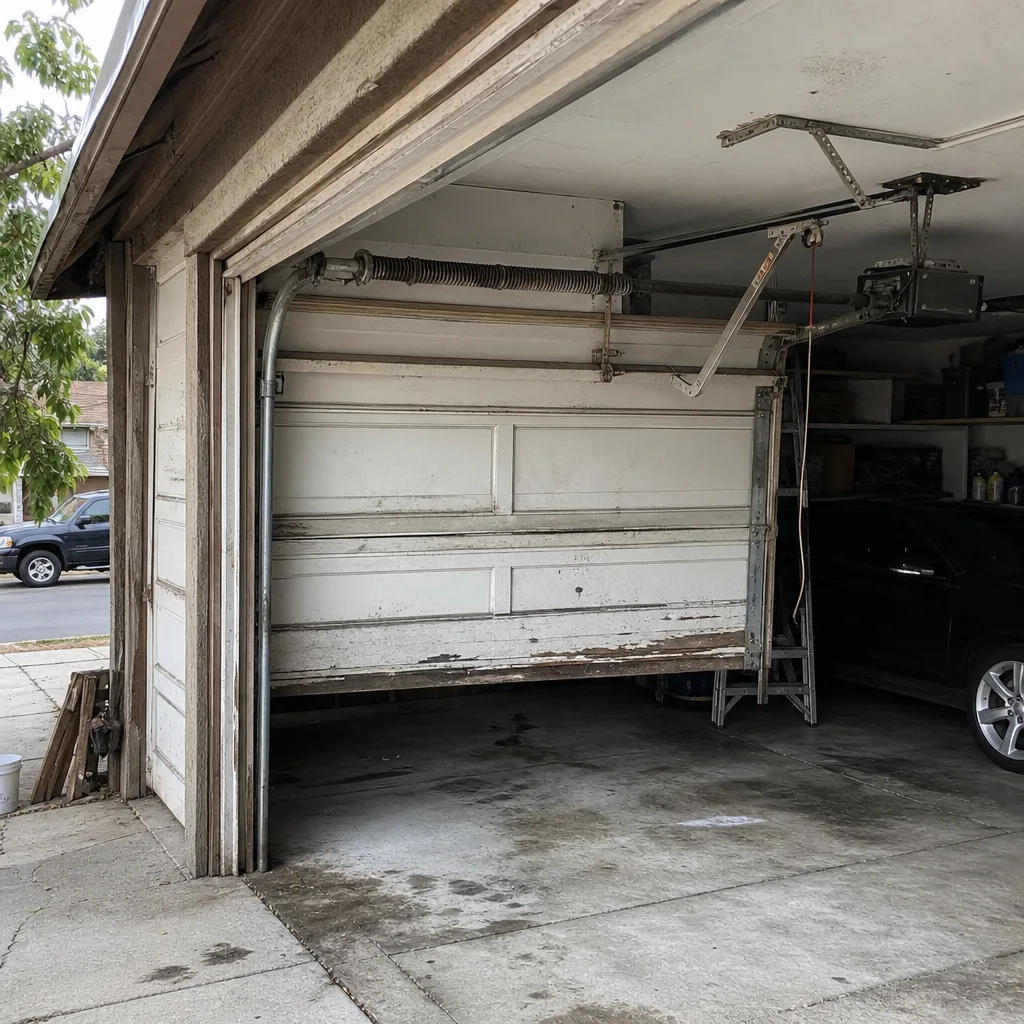 Before
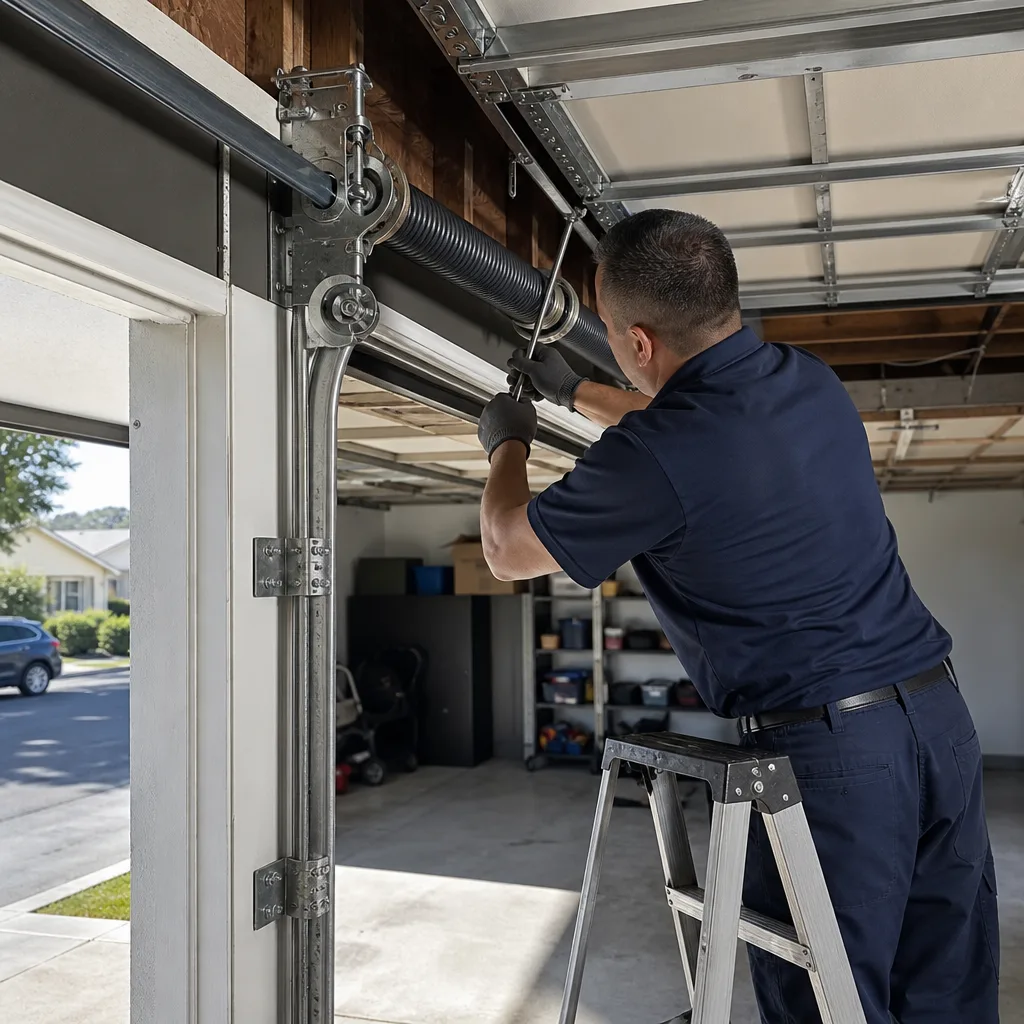 After
After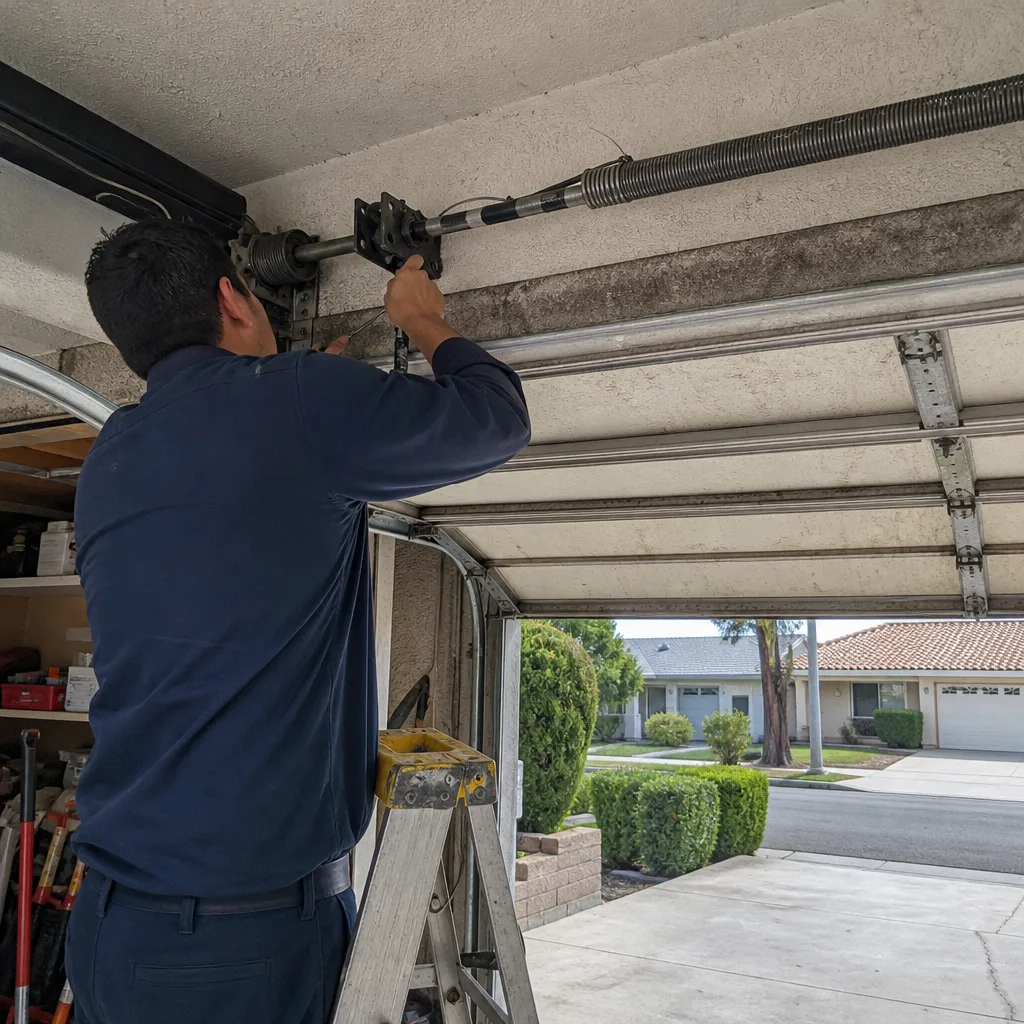 Before
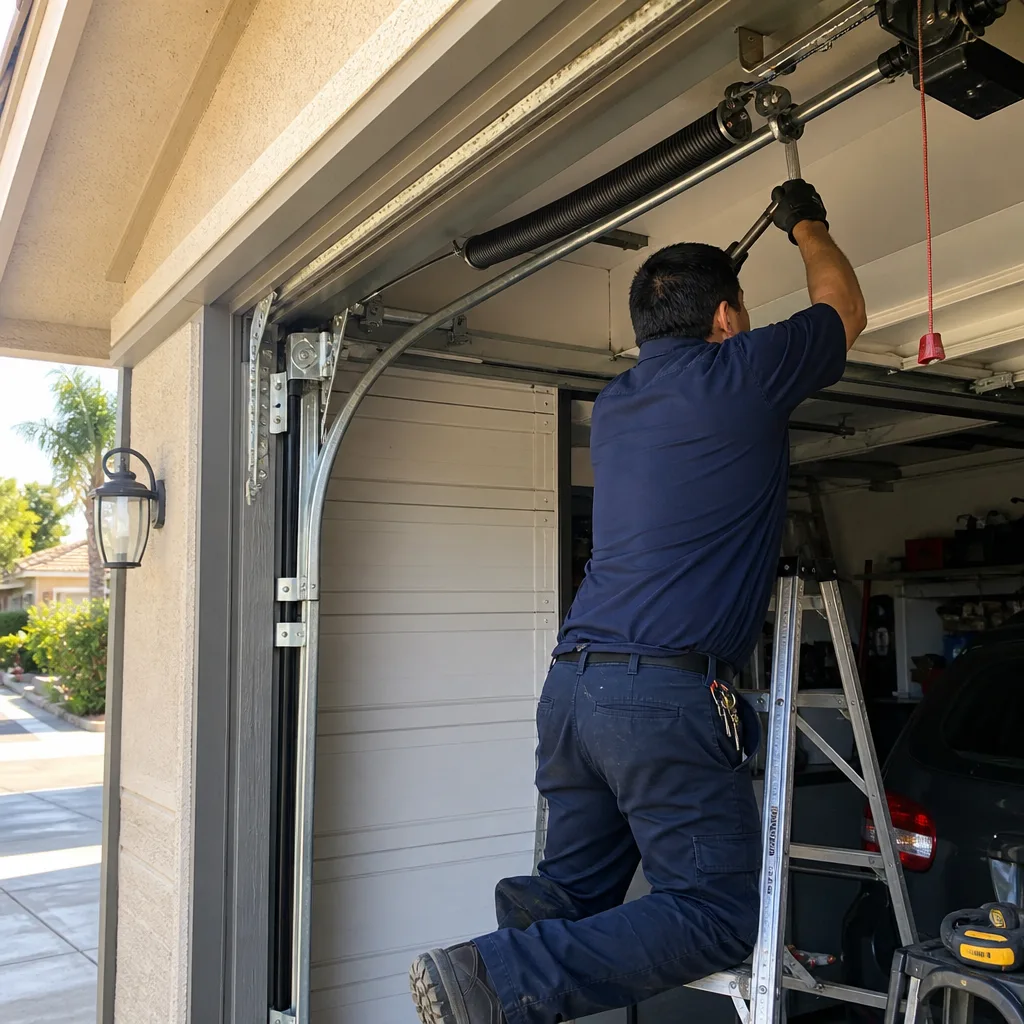 After
After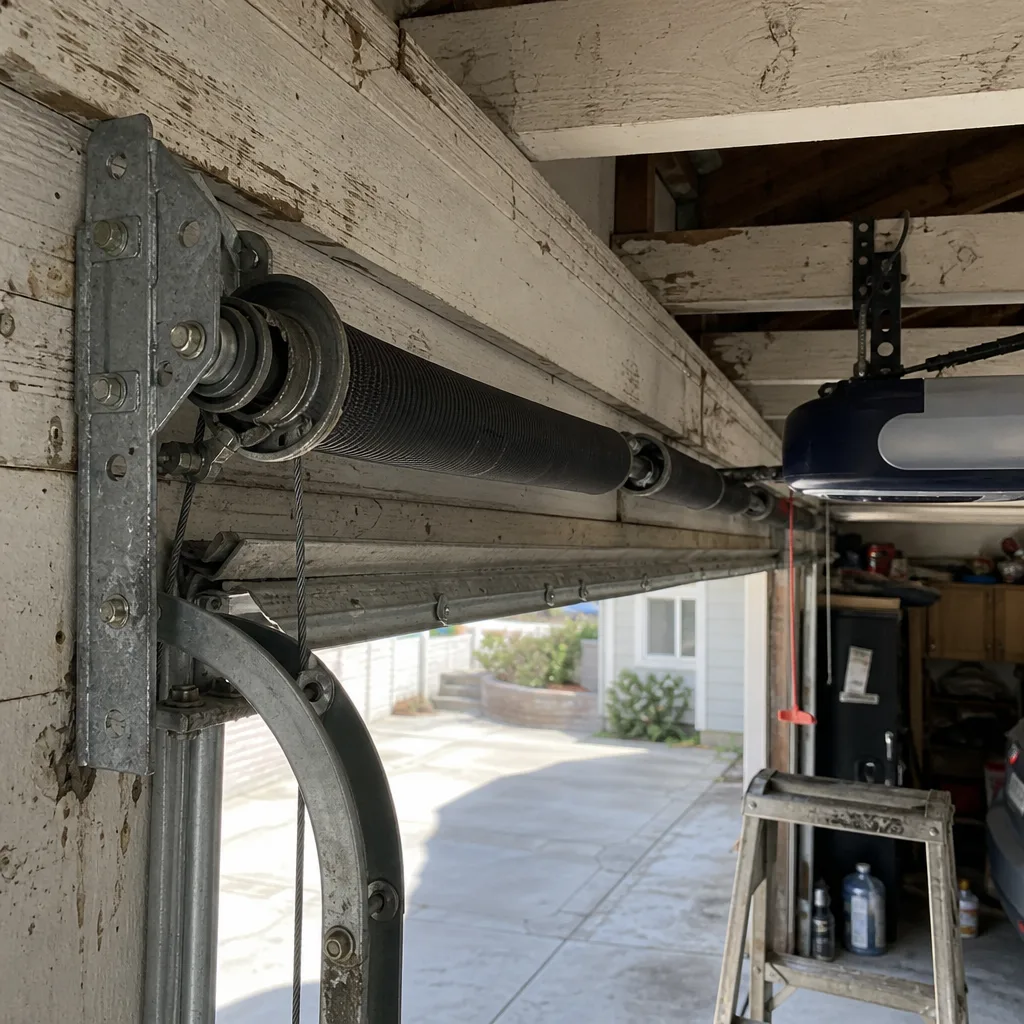 Before
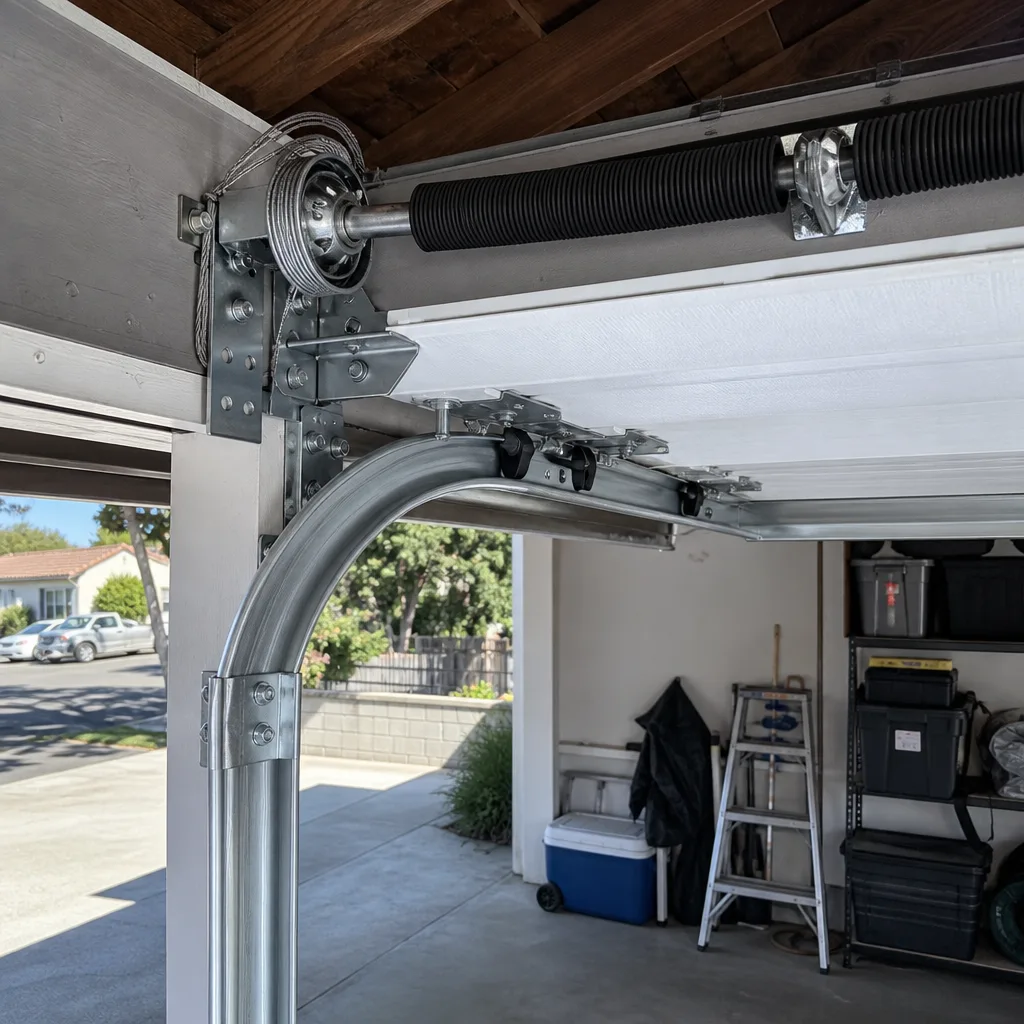 After
AfterReplacement Cost & What’s Included
A Craftsman torsion spring replacement in Los Angeles runs $210 to $400 installed, parts and labor included. That range covers a pair of oil-tempered springs matched to your door’s weight and height, the labor to install and balance them, and a written guarantee on the work. Higher-cycle springs, which we’d recommend if you open your garage more than five or six times a day, add a bit to the top of that range.
What drives the price difference? Door weight, spring size, and whether we’re replacing one spring or both. A single lightweight door with a 207 x 1-3/4″ x 26 spring will land at the lower end. A heavy wood door with 250 x 2″ x 25 springs runs higher. Either way, you’ll see the exact number in writing before we touch anything. That’s the Kingswell Way: say the price before the work, show up in the window, leave the place cleaner than we found it, put the guarantee in writing, and come back if it fails. The 365-Day Done Right Promise means if the spring fails within a year, we come back and fix it at no charge. That commitment is in writing, not just spoken at the door.
Compare with the alternative: a spring that costs $70 online and lasts 18 months because it wasn’t matched to the door, plus a weekend of your time and a possible injury. We’d rather you pay once and not think about it for the better part of a decade.
DIY or Call Us?
We’ll be straight with you: torsion spring replacement is the one garage door job we tell homeowners not to attempt. These springs hold hundreds of pounds of torque even when the door is down. The winding and unwinding process uses two steel bars inserted into the winding cone, and a slip at the wrong moment sends a bar flying hard enough to break bone. There’s a reason this trade requires specific training and we’ve never met an ER doctor who recommended saving $200 this way.
So no, we won’t give you step-by-step instructions. What you can safely do is check the basics: look for a visible gap in the spring, test whether the door is heavy on the emergency release, and check that both cables are still seated on their drums. If any of those look off, call us at (213) 996-0290. We’ll quote a price over the phone, give you a real arrival window, and send a background-checked, uniformed technician with the springs on the truck. You won’t be waiting on a second visit for parts.
FAQs
A standard Craftsman-compatible torsion spring lasts 7 to 10 years in Los Angeles, which translates to roughly 10,000 open-and-close cycles. That’s the honest lifespan; our climate isn’t the main factor, it’s cycle count. Coastal air in places like Marina del Rey can accelerate surface corrosion on springs, and we see slightly shorter lifespans within a few miles of the ocean. If your door gets heavy daily use, ask about higher-cycle springs when you call for a quote.
No. The repair is replacement. Once the coil snaps, there’s no welding, splicing, or tightening that restores it. We replace both springs at once: if one has failed from fatigue, the other is the same age and will follow within months. Replacing both also keeps the door balanced, which protects the opener motor. Call (213) 996-0290 for an exact quote; estimates are free.
Most Craftsman torsion spring replacements are done in 60 to 90 minutes. That includes removing the old springs, installing new ones matched to the door’s weight, winding them to the right tension, and testing the door for balance and travel. We carry a full range of spring sizes on the truck, so there’s no second trip for parts.
We carry torsion springs in the sizes that fit Craftsman residential doors, plus compatible hardware, on our trucks. We match by wire gauge, inside diameter, length, and wind direction, not by a Craftsman part number, which isn’t printed on most older springs anyway. If your door needs something outside the range we carry, we’ll tell you over the phone before we ever roll out. Call (213) 996-0290 and we’ll confirm pricing and availability.
Written by Marcus Ellery, Owner & Lead Technician, Bramwell Garage Doors Los Angeles at Bramwell Garage Doors Los Angeles, serving Los Angeles and nearby areas.