
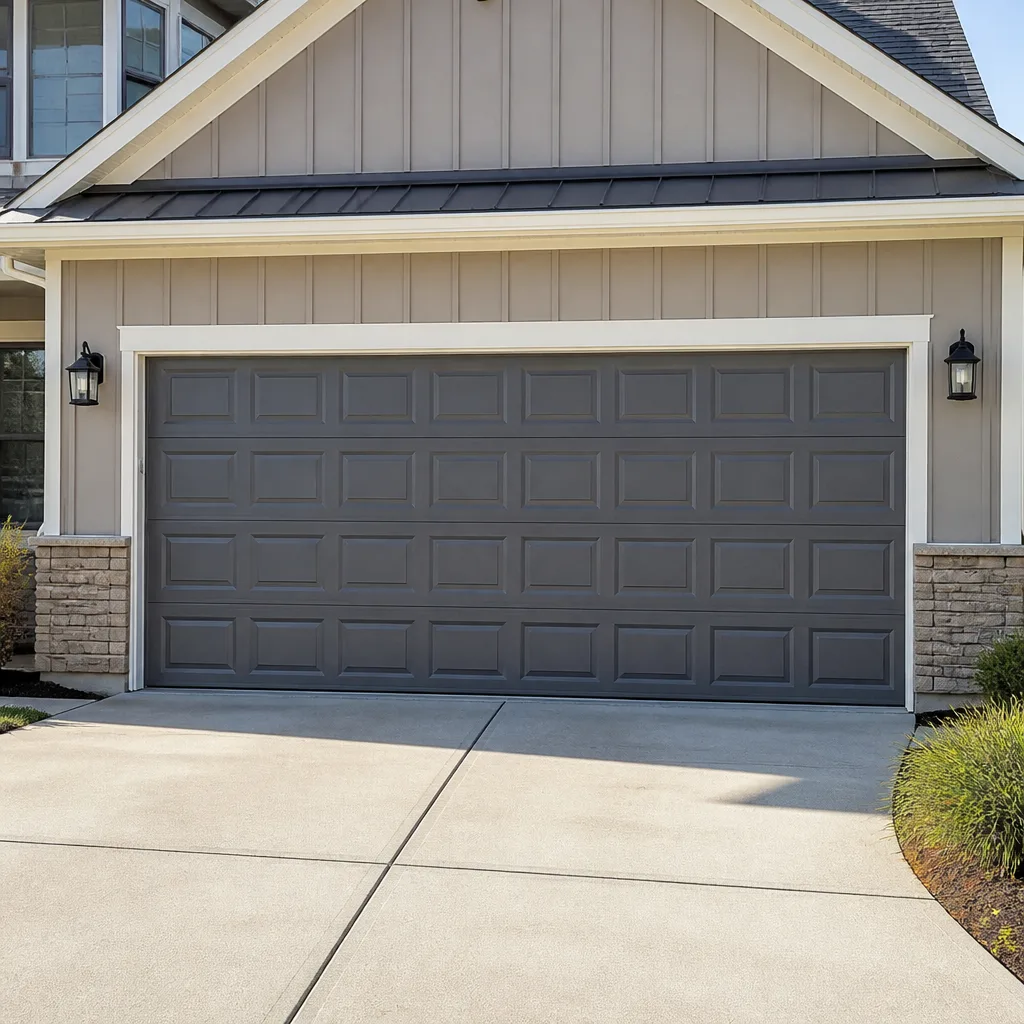
 Raised-panel steel
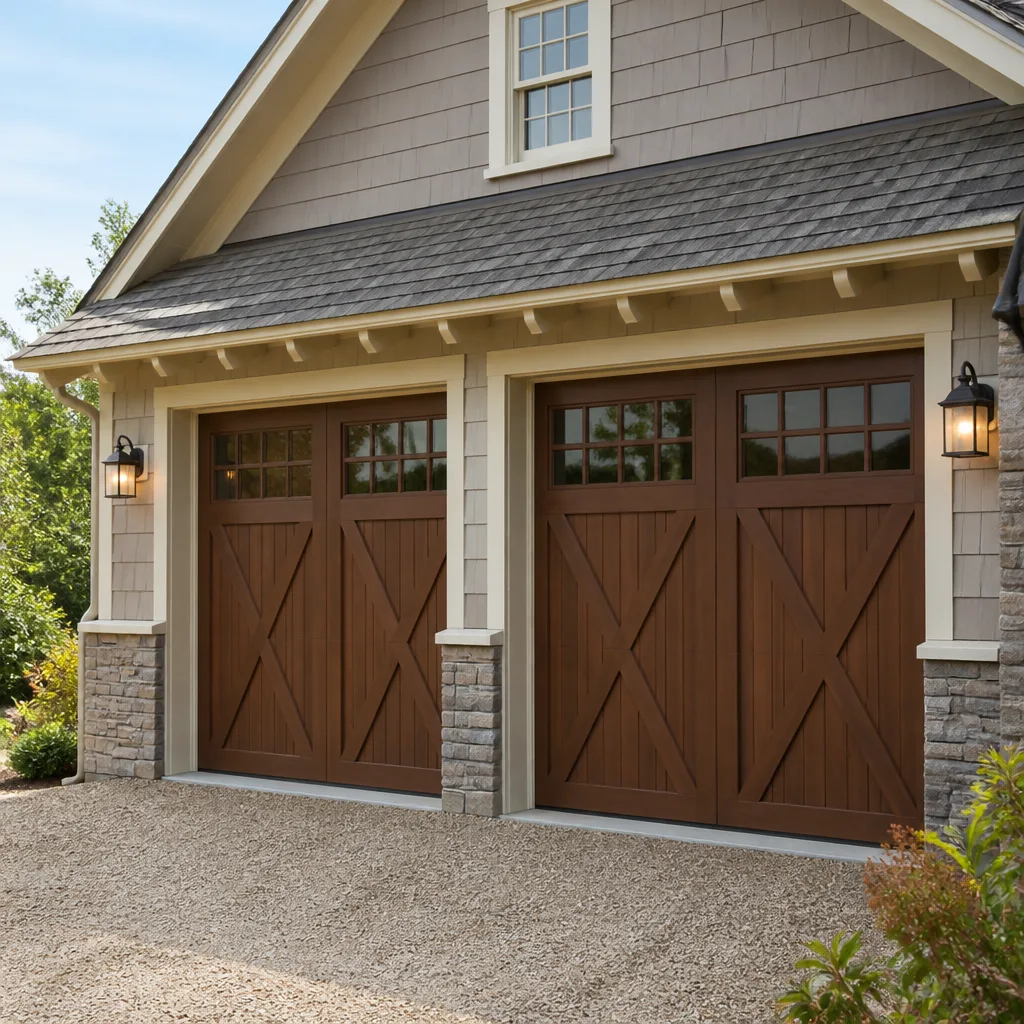 Carriage house
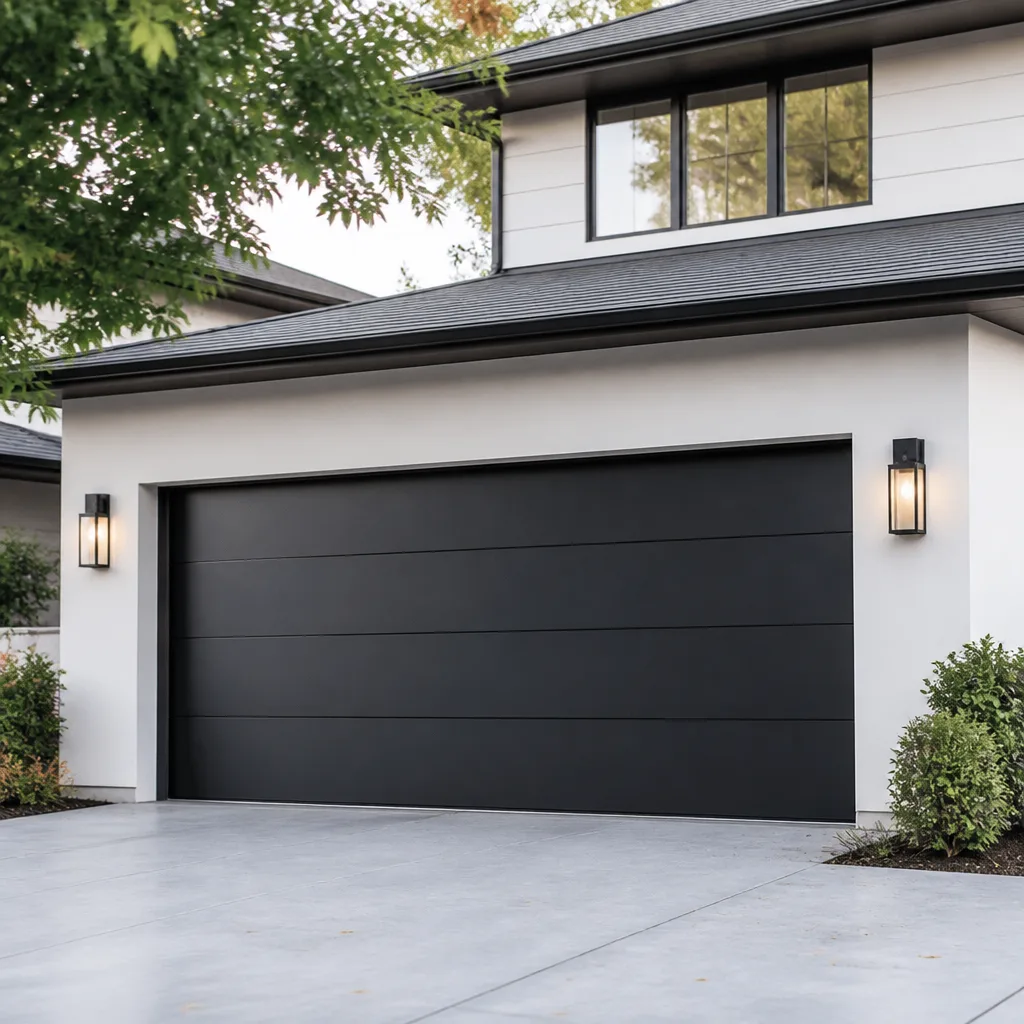 Modern flush
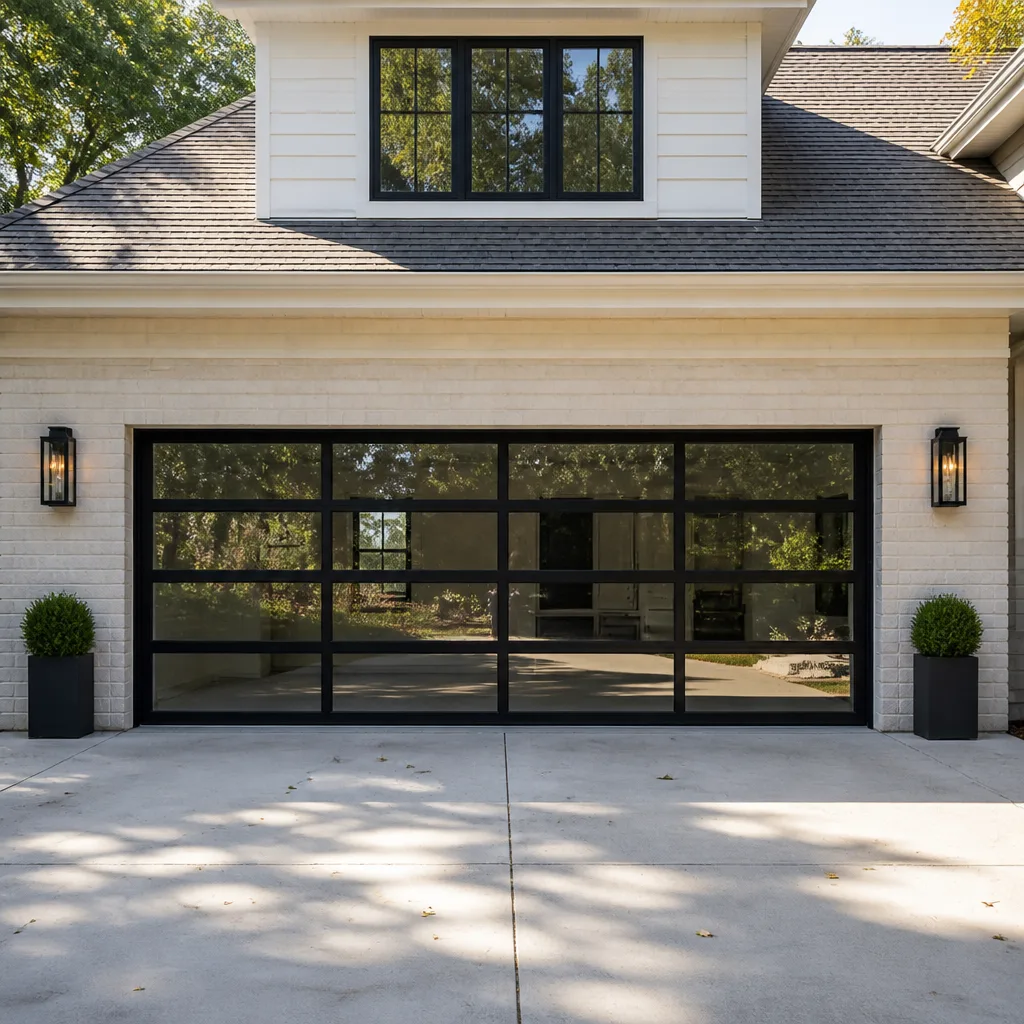 Full-view glass
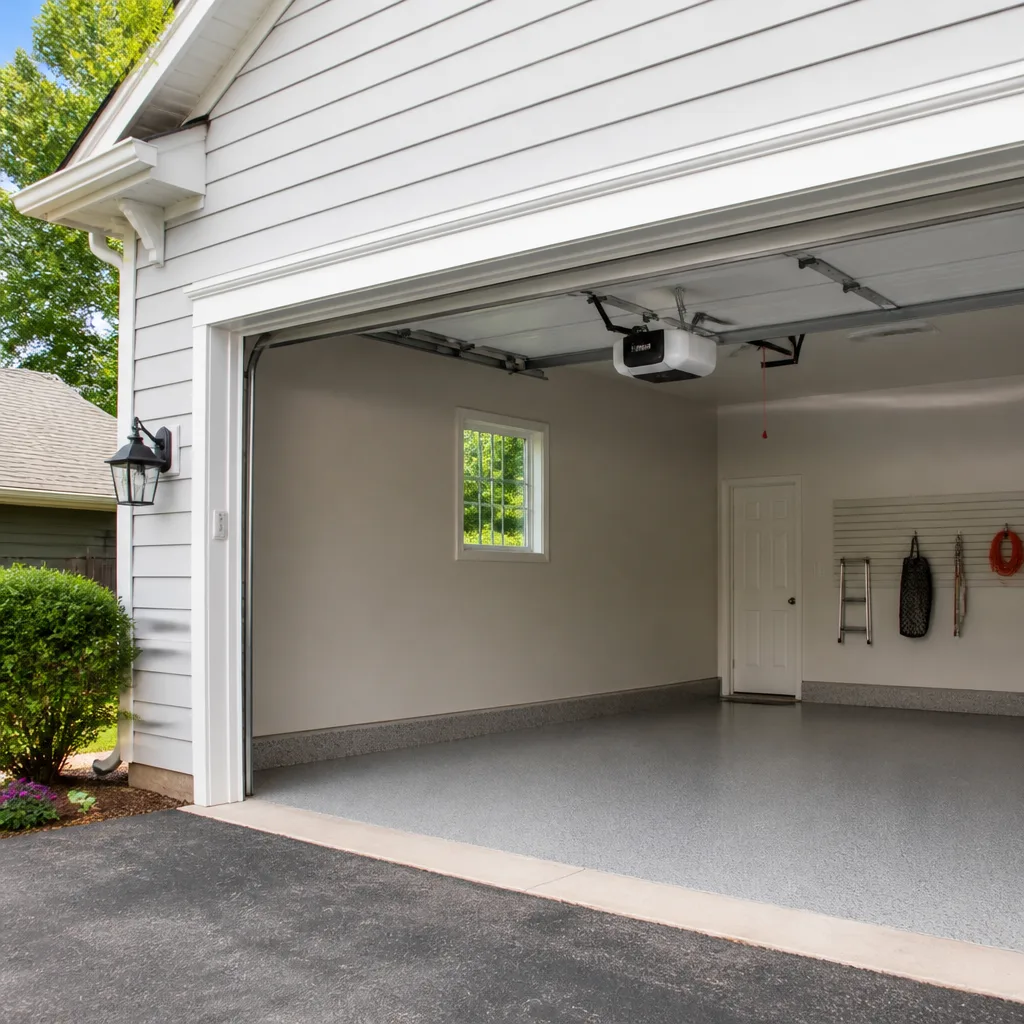 LiftMaster openers
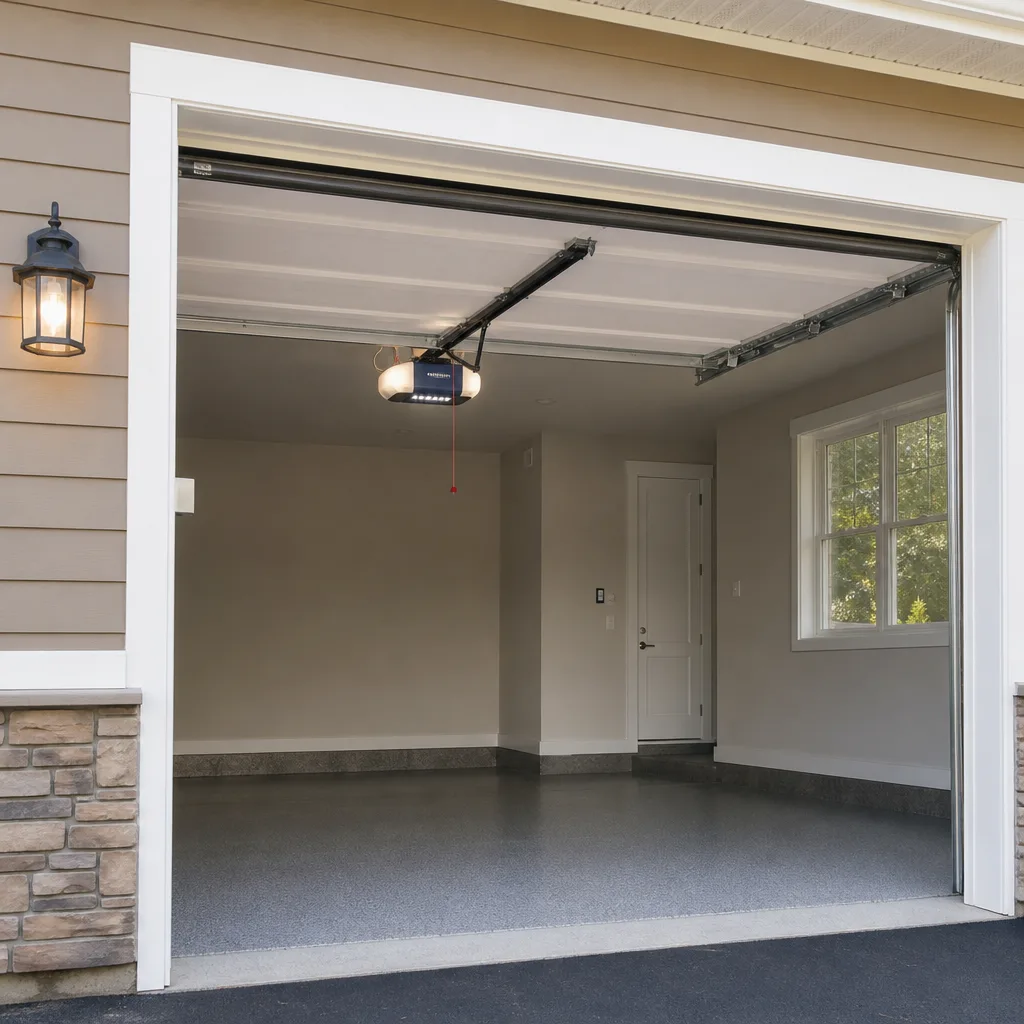 Chamberlain openers
Full 25-point door and opener safety check with every visit - springs, cables, rollers, tracks, and your LiftMaster or Chamberlain opener included
You get a price before we start. It does not change when the truck arrives.
Get your free estimateClopay Weather Seal Replacement: The Los Angeles Owner’s Guide
Clopay weather seal replacement in Los Angeles typically runs $110 – $185 installed, parts and labor included. We stock Clopay-compatible bottom seals, threshold seals, and jamb seals on our service trucks, so in most cases we can complete the swap the same day we show up. Most owners discover the seal has failed the same way: a line of daylight under the door, a damp floor after a winter rain, or a garage that suddenly smells mustier than it should in a city where dry air usually hides that kind of problem.
That daylight gap is the tell. Weather seal (the rubber strip along the bottom of the door, and the vinyl strips running down the sides and across the top) doesn’t fail with drama. It flakes, stiffens, and shrinks a little more each year. By the time you notice it, it’s been letting water, dust, and bugs in for months. Here’s the good news: it’s one of the few garage door parts that costs under $200 to fix, takes under an hour, and doesn’t require touching anything dangerous.
Key takeaways:
- Installed cost in Los Angeles is typically $110 – $185, parts included
- Same-day replacement in most cases; we carry seals for Clopay, LiftMaster, Chamberlain, and Genie doors on the truck
- Written price before we start, per the Kingswell standard we’ve worked under since 2001
- No high-tension components involved in this job, which is why it’s one of our safest and fastest repairs
Which Clopay Models This Applies To
We replace weather seal on every Clopay residential line we encounter across Los Angeles: the Canyon Ridge and Gallery Collection doors, the Coachman and Bridgeport series, Classic wood and steel doors, and the entry-level Value Plus and Intro series. The seal itself isn’t model-specific the way a torsion spring is. Clopay uses a small family of bottom-seal profiles, and the compatibility question comes down to two measurements: the width of the T-channel slot at the bottom of the door, and whether the door’s aluminum retainer is a Clopay original or a universal aftermarket piece.
Here’s the compatibility gotcha a lot of owners run into: some older Clopay doors, particularly from the mid-2000s, use a narrower T-channel than the current universal seals. If you force a modern seal into that slot, it fits loose, pops out in a month, and you’re replacing it again before the season changes. We match the seal to the door on-site, not from a catalog guess. If the aluminum retainer has corroded (we see this regularly in beach-adjacent neighborhoods like Playa del Rey and San Pedro, where salt air chews through aluminum faster than inland areas), we’ll tell you whether the retainer needs replacing too, before any work starts.
On the OEM-versus-aftermarket question: Clopay’s factory seals are well made, but the aftermarket equivalents we carry use the same EPDM rubber compound and cost 30 – 40 percent less. When there’s a functional difference, we say so. For weather seal, there isn’t one. For most Los Angeles homeowners, a quality aftermarket seal with UV stabilizers will outlast the factory part, because it’s built for exactly the sun exposure we get here.
Note: Bramwell Garage Doors Los Angeles is an independent service provider and is not affiliated with or endorsed by Clopay Corporation. We service Clopay products and use OEM or equivalent aftermarket parts.
Styles & brands we work with
Signs Your Clopay Weather Seal Replacement Is Failing
Weather seal degrades slowly, which means the failure signs are gradual enough to overlook. Here’s what we see on service calls throughout Los Angeles, from West Hills to Echo Park.
- Visible daylight under the door. If you can see a sliver of light from inside the garage with the door closed, the bottom seal is either compressed past recovery or torn. That gap is letting in more than light: leaves, dust, and field mice in the foothill neighborhoods like La Cañada and Tujunga looking for a way in during fall.
- Water staining or damp drywall near the floor. You may not catch the leak itself, but the evidence shows up as a tide line on the garage’s interior walls after rains. Bottom seal that once sat flush against the concrete now leaves a trough where runoff pools and seeps under.
- Dry, cracked, or flaking rubber. This is UV damage, and it’s the number one reason seals fail in Los Angeles. The rubber loses its plasticizers (the compounds that keep it flexible), the surface develops small cracks, and those cracks grow every time the door compresses against the slab. Once the T-channel shape distorts, replacement is the only fix.
- Excessive dust or cobwebs accumulating faster than they should. A marginal bottom seal lets a constant current of outside air through the gap, carrying fine dust with it. If your garage looks dirtier than your driveway, the seal is the first thing we check.
- Deformed or compacted sections that don’t rebound. In east LA neighborhoods where summer temperatures regularly exceed 95 degrees, we see seals that have taken a permanent set from sitting under a hot door. The rubber compresses against the slab and never regains its shape. Once that happens, the gap is permanent.
If you’re seeing any of these, call us at (213) 996-0290. We’ll have a technician out, confirm the diagnosis, and hand you a written price before we touch the door. Tell me what it’s doing, and I’ll tell you what it needs.
See the difference
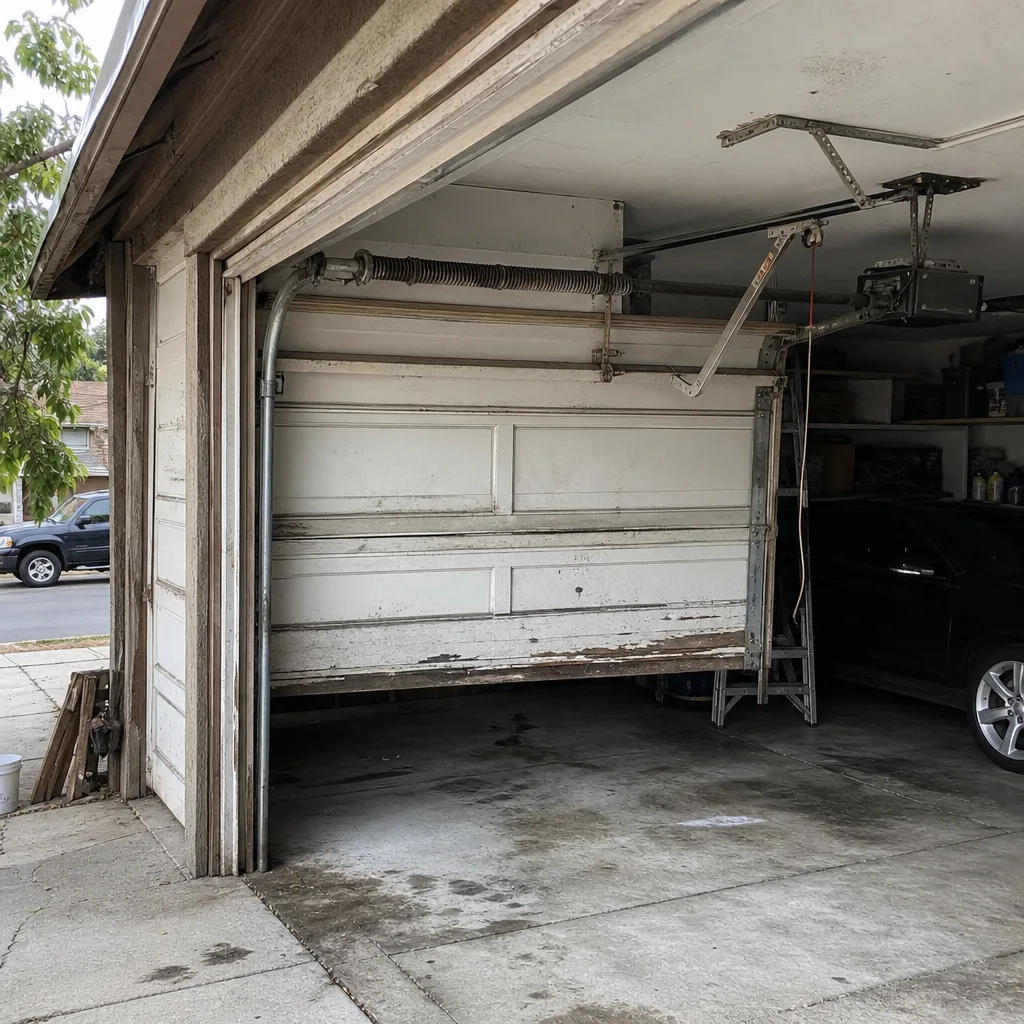 Before
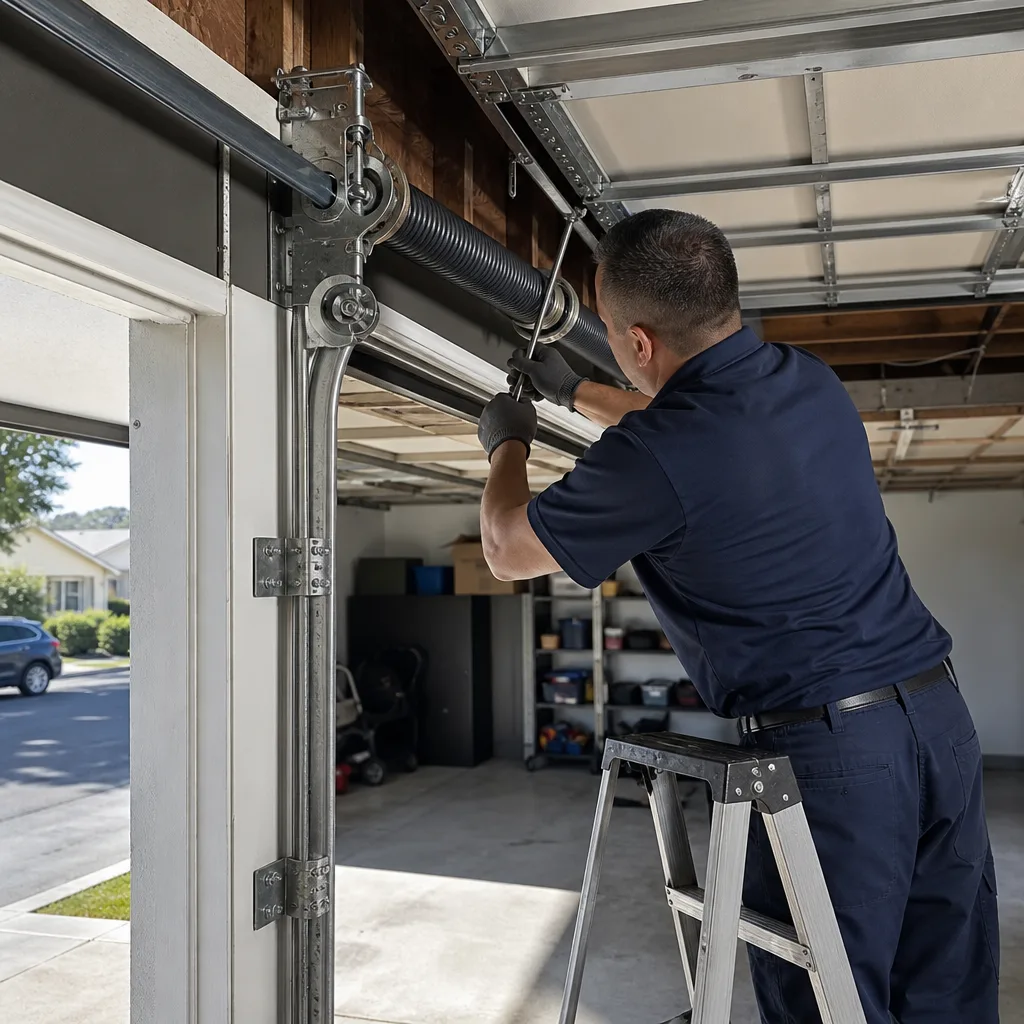 After
After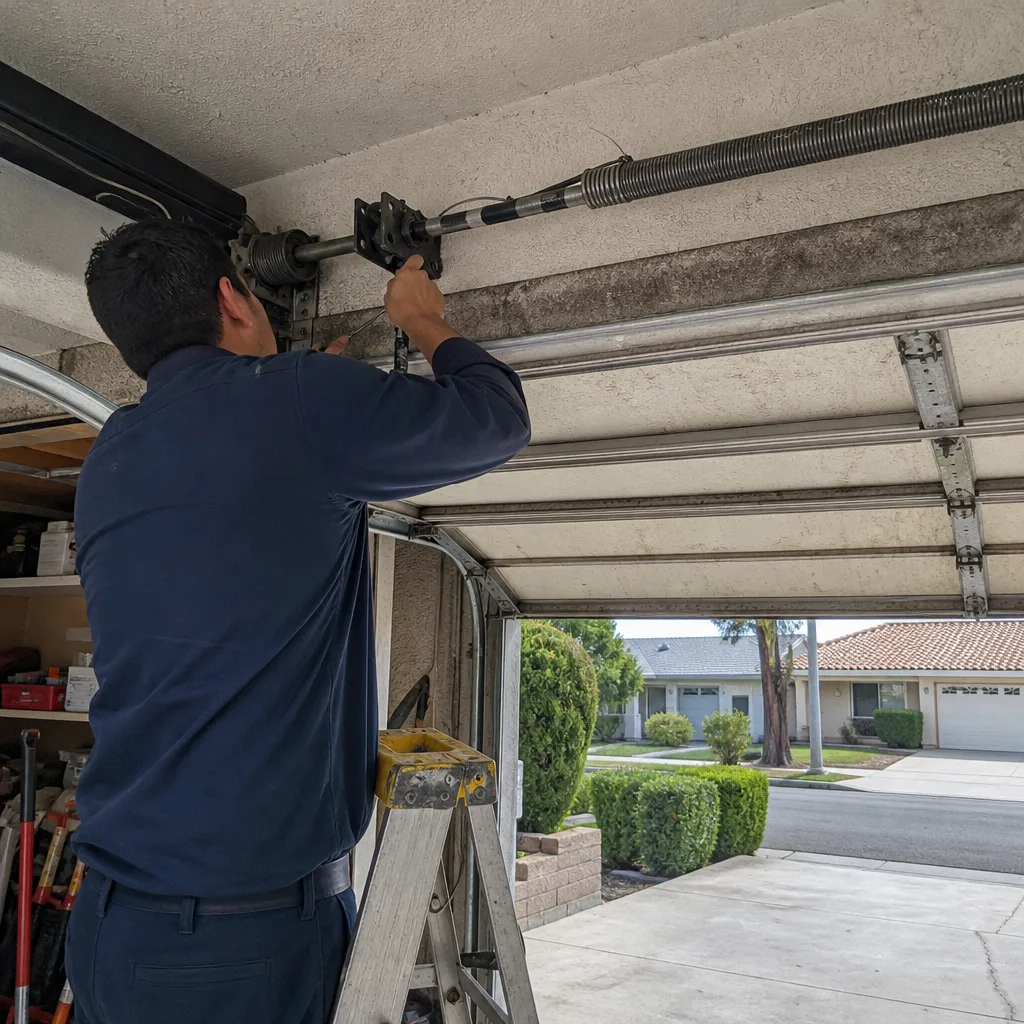 Before
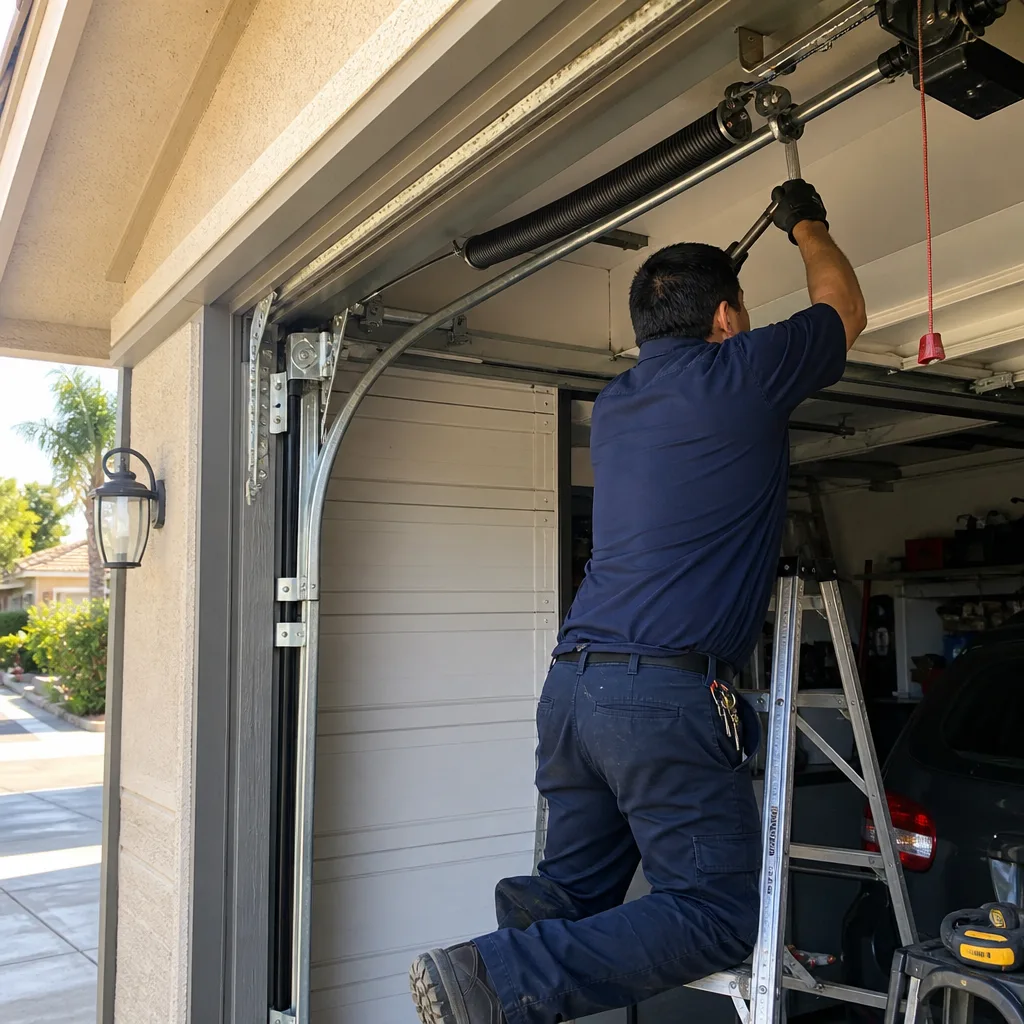 After
After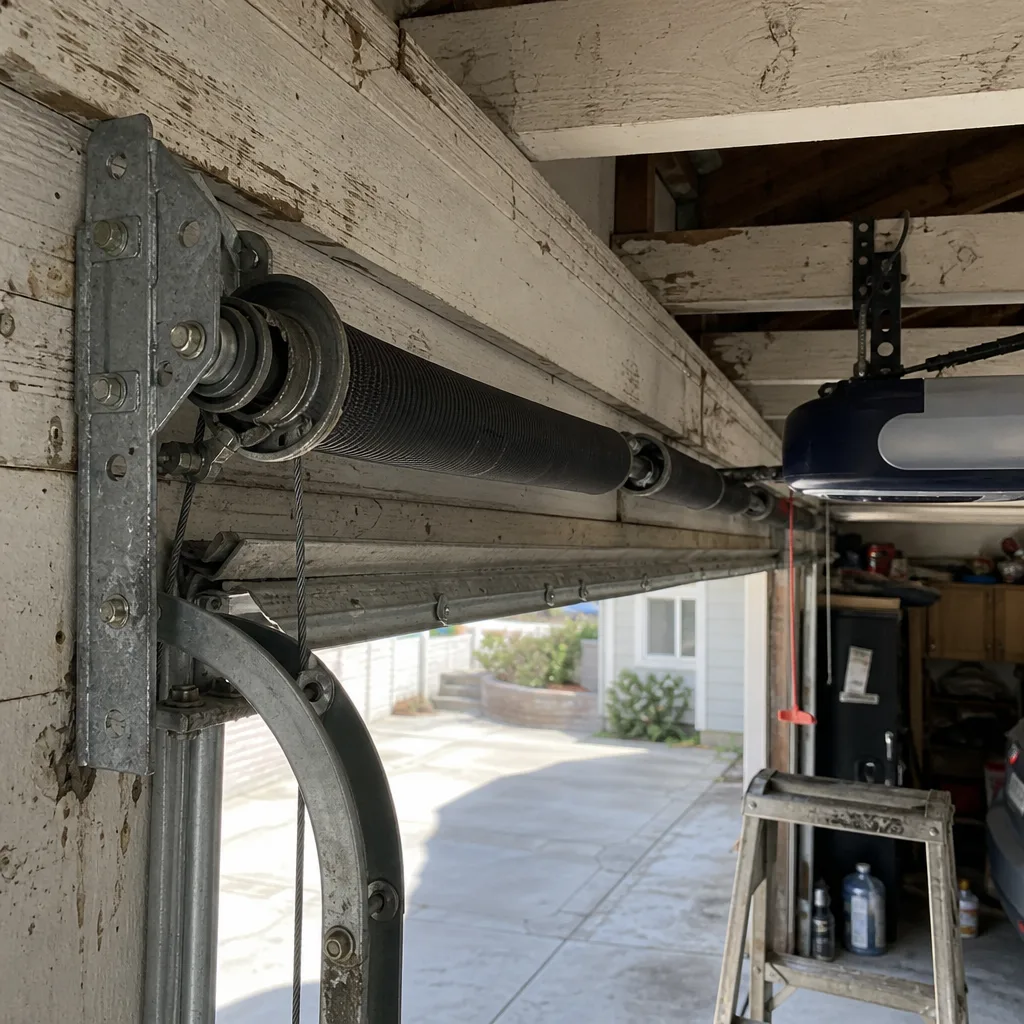 Before
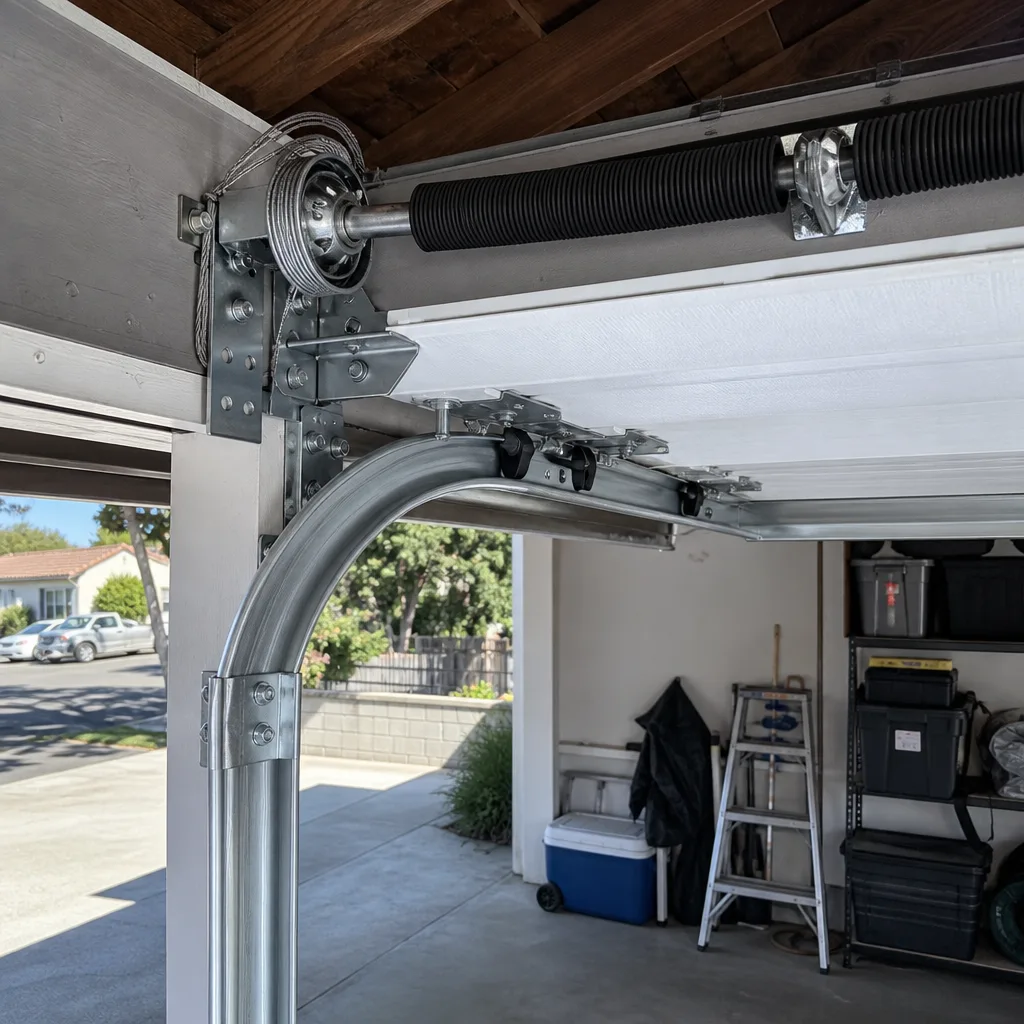 After
AfterReplacement Cost & What’s Included
In Los Angeles, Clopay weather seal replacement runs $110 – $185 installed. That includes the seal itself, removal and disposal of the old seal, and the labor to pull the old strip, clean the T-channel, and seat the new one flush against the floor. Here’s how that range breaks down:
| Service | Price Range | What It Includes |
|---|---|---|
| Bottom weather seal replacement (standard) | $110 – $150 | New EPDM or vinyl seal, old seal removal, T-channel cleaning |
| Bottom weather seal with aluminum retainer replacement | $160 – $185 | New seal plus new retainer (needed when old one is corroded or bent) |
| Jamb or header seal replacement (per side) | $90 – $130 | Vinyl side or top seal, re-secured to framing |
These numbers include labor, and they’re the numbers we give you before any work begins. That’s the Kingswell way, and we’ve run every job under it since 2001: written price first, no add-ons discovered at the door, no invoice surprises. The 365-Day Done Right Promise covers this repair. If the seal fails inside a year from anything we did, we come back and fix it at no charge. That commitment is in writing, on the invoice, every time.
What drives the price difference is simple: the retainer. If your door’s bottom retainer is still straight and the aluminum is intact, the seal slides out and the new one slides in. If it’s bent or corroded (common near the coast), that’s an extra part and a few more minutes.
DIY or Call Us?
Weather seal replacement isn’t dangerous the way torsion spring work is, and many owners do it themselves. The bottom seal slides out of the T-channel after you release one retaining screw, and a careful DIY install can work. However, here’s what we see go wrong when owners handle this one alone: the wrong profile is ordered online, so the seal arrives and doesn’t seat. Or the old seal’s T-channel has compacted debris inside from years of dust accumulation, and the new seal eats itself on the remnant rubber as it’s fed through. Or a seal that’s cut slightly long buckles in the header in the first week.
If the door is otherwise in good shape and you’re reasonably handy, it’s a fair DIY job. If you’d rather have it measured, matched, and in correctly the first time, that’s exactly what we do. You’ll get a uniformed technician and a written price before any work starts. Call (213) 996-0290 for a free estimate.
FAQs
A quality EPDM rubber weather seal should last 4 to 7 years in Los Angeles conditions. Sun exposure is the main killer, not wear. Inland neighborhoods with intense afternoon sun and no tree cover can see seals degrade a year or two earlier than coastal homes, where salt air does its own damage. If your last one lasted three years or less, you probably had a vinyl seal, which costs less but fails fast. Call us at (213) 996-0290 and we’ll install an EPDM seal that holds up.
No, a torn or stiffened weather seal can’t be patched. Adhesives don’t bond well to weathered EPDM, and any fix you try will separate within weeks. The repair is a full strip replacement, which is why it’s such a predictable, low-cost job. We’ll give you an exact price before we begin.
Bottom seal replacement takes 30 to 45 minutes in most cases. If the aluminum retainer also needs replacing, plan for 60 minutes. We’ll tell you the time window when you book, and our technician will arrive in that window.
Yes. Our trucks carry multiple Clopay-compatible seal profiles, plus seals for LiftMaster, Chamberlain, and Genie doors. Most weather seal replacements happen on the first visit. If your door needs a profile we don’t stock (rare, but it happens with certain legacy models), we’ll order it and have it installed within a few business days.
Written by Marcus Ellery, Owner & Lead Technician, Bramwell Garage Doors Los Angeles at Bramwell Garage Doors Los Angeles, serving Los Angeles and nearby areas.